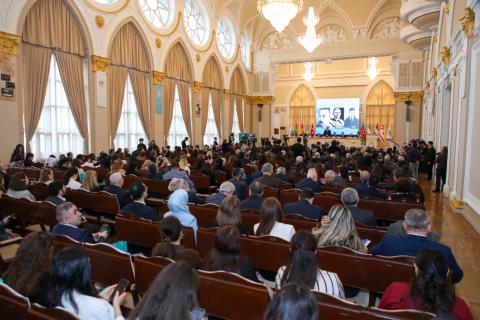
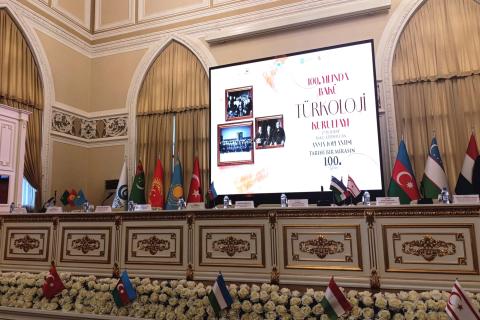
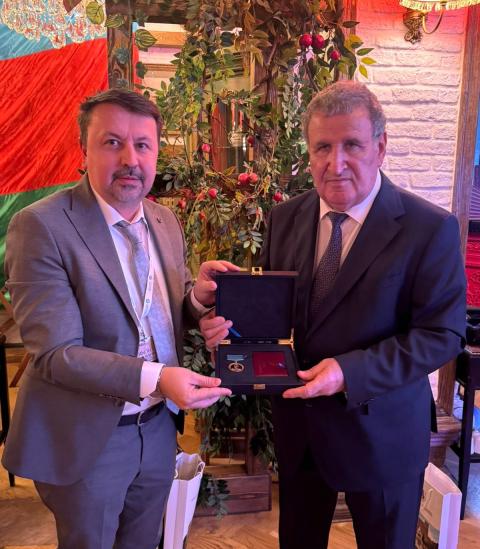
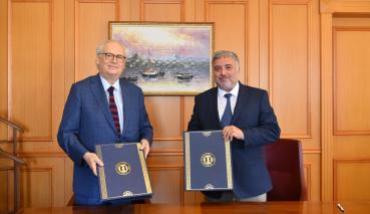
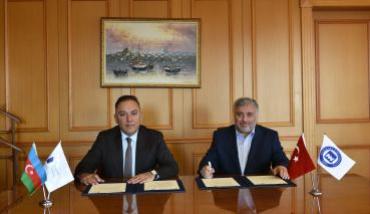
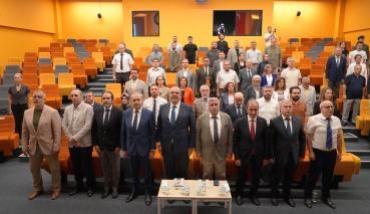
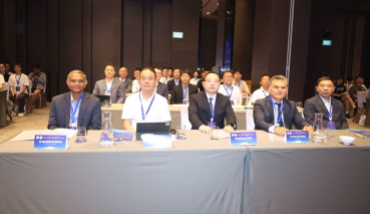
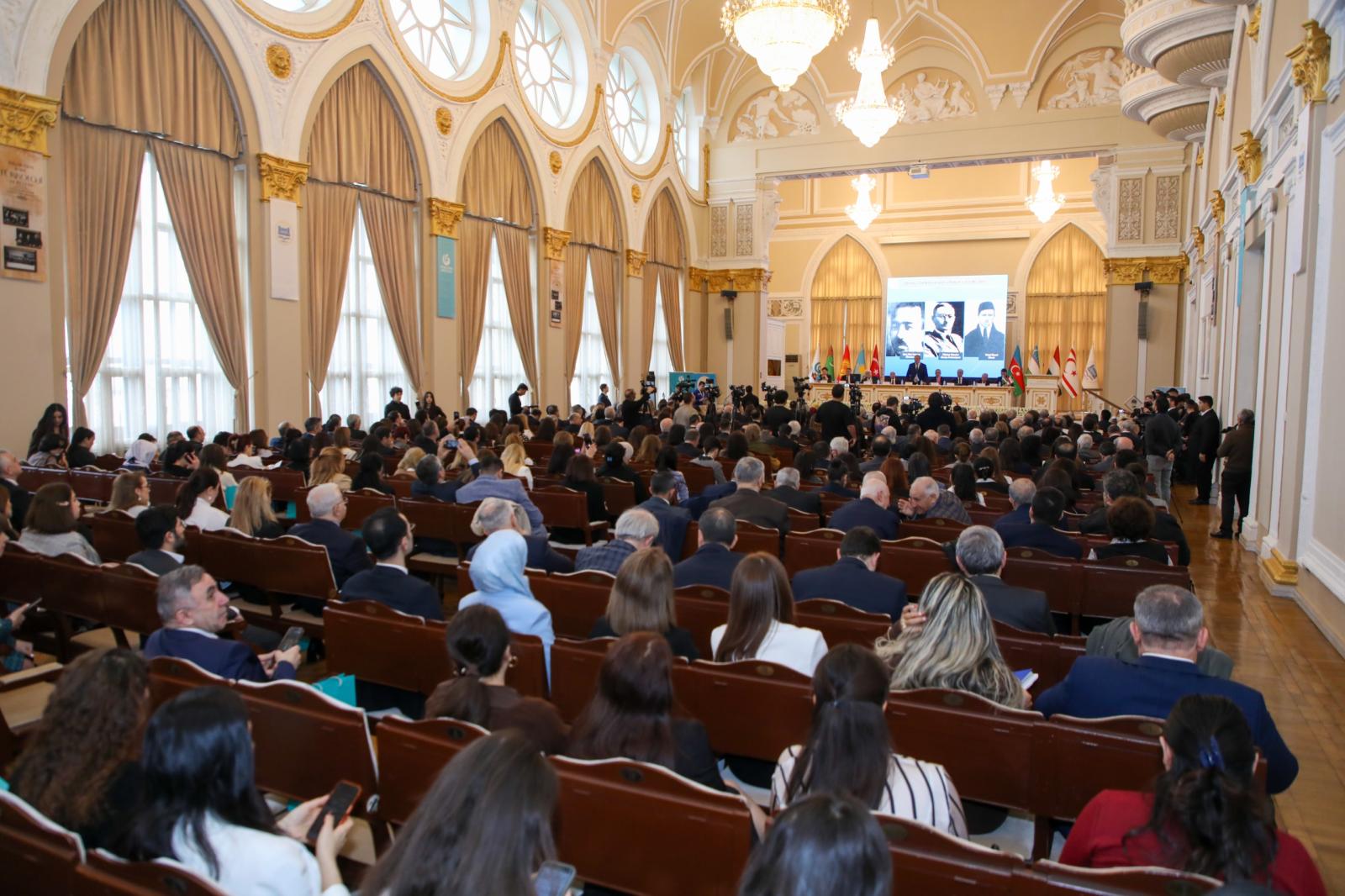
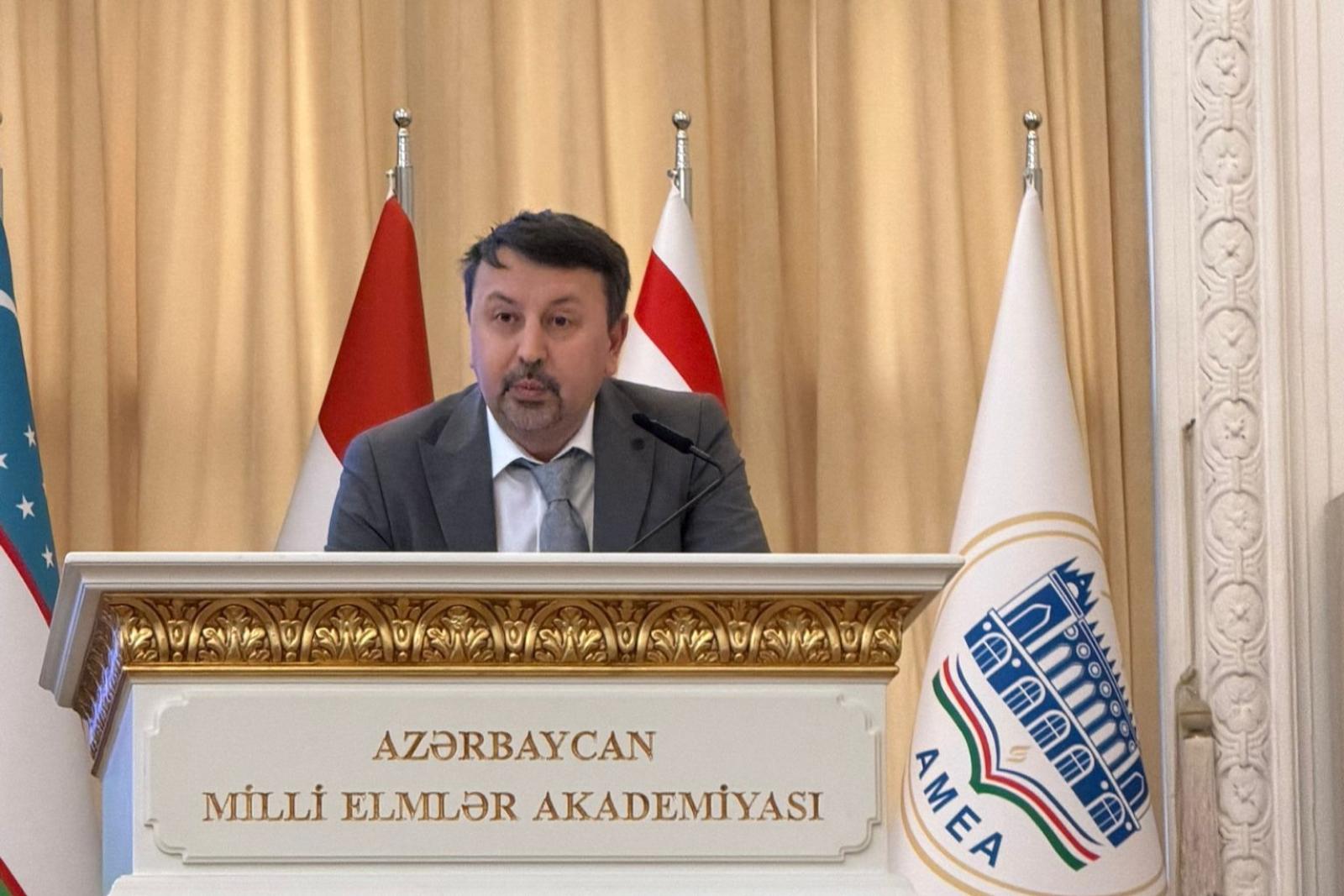
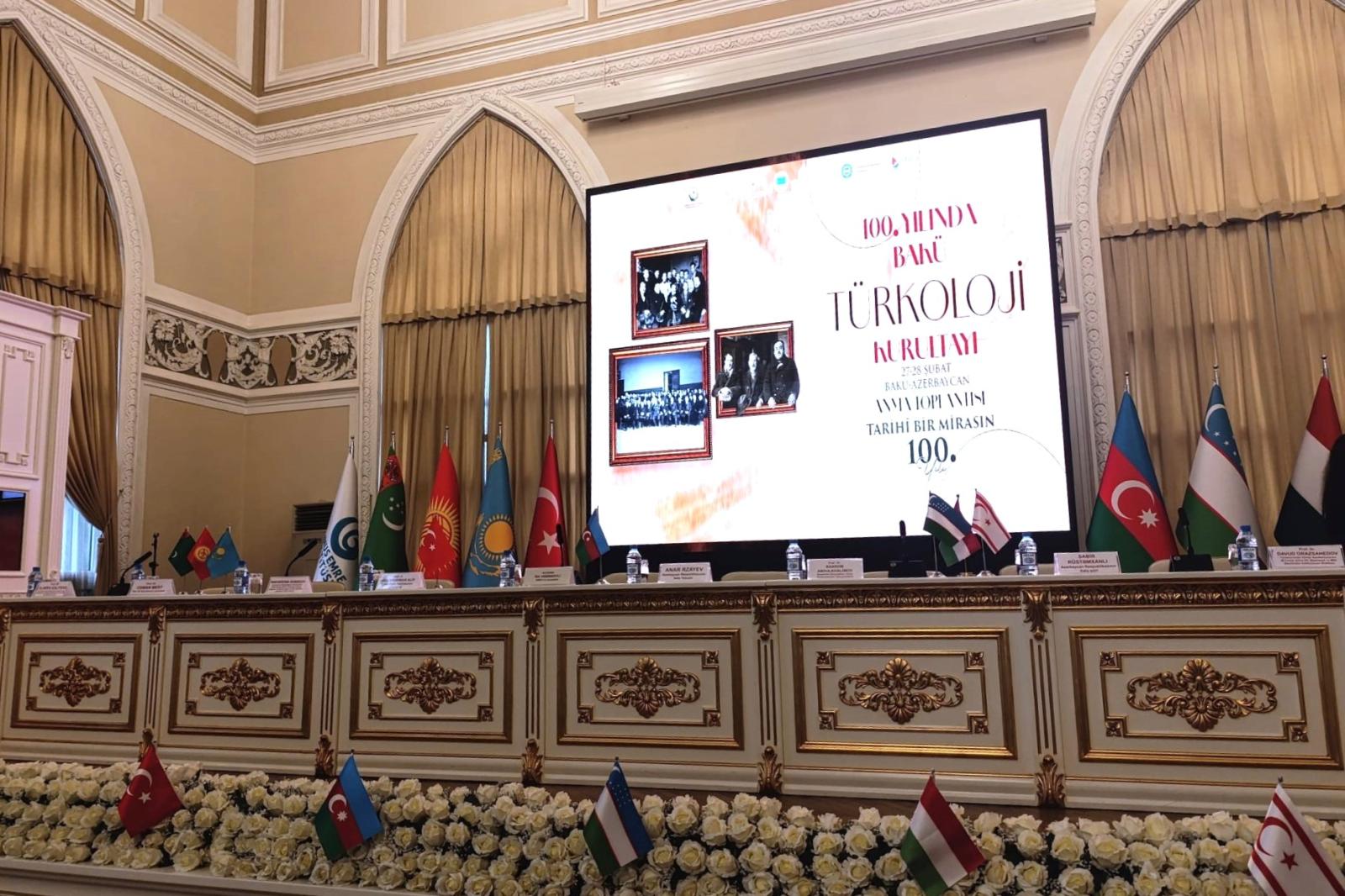
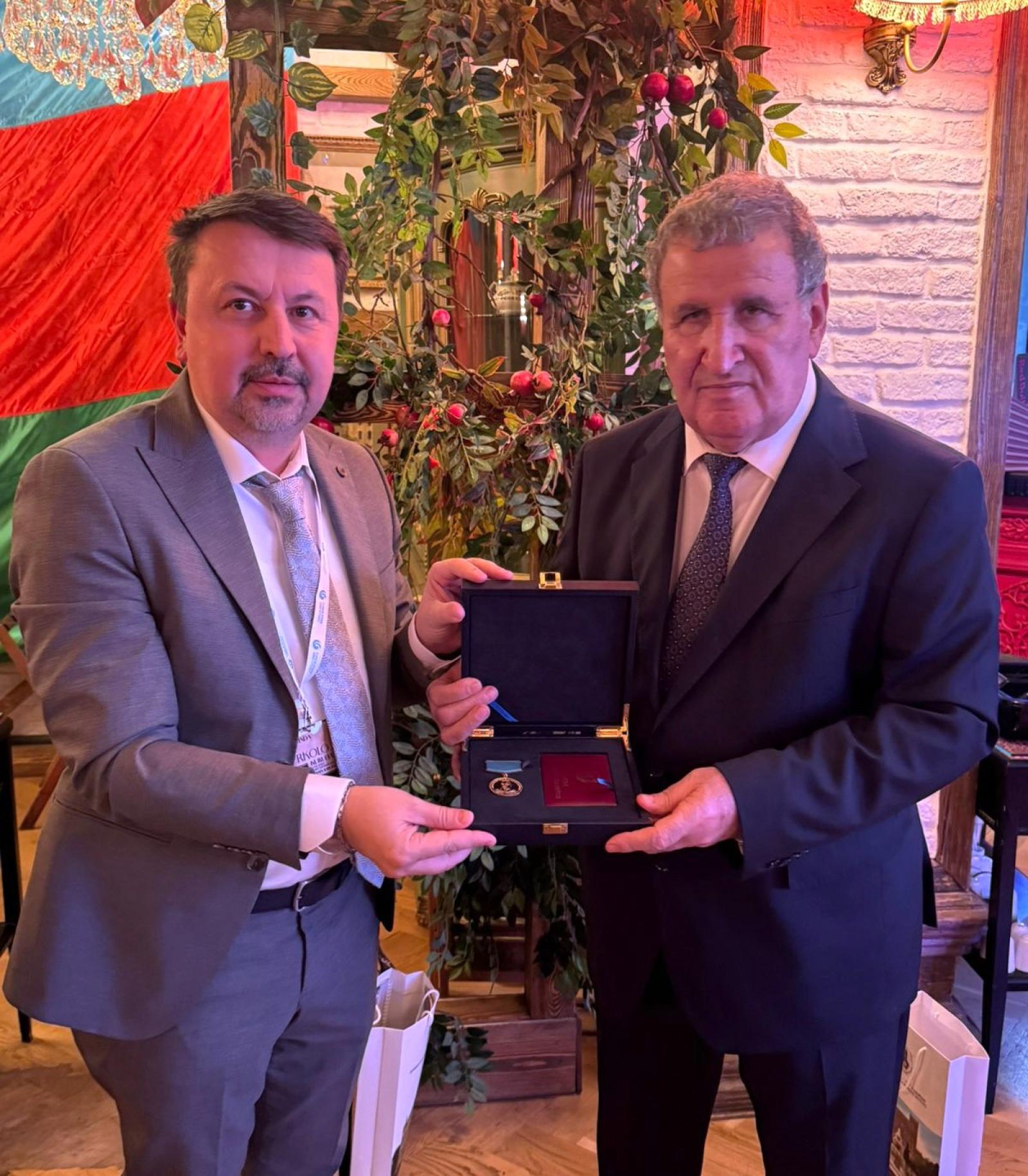
The “100th Anniversary Commemoration of the Baku Congress,” in which Marmara University’s Institute of Turkic Studies participated as a stakeholder, was held on February 27–28 in Baku, Azerbaijan.
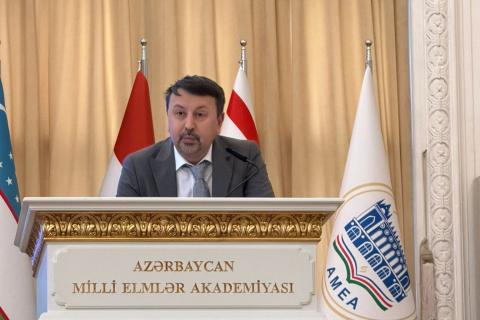
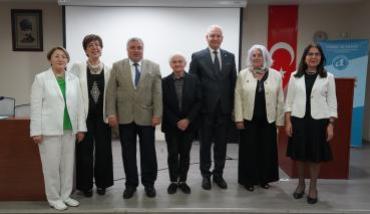
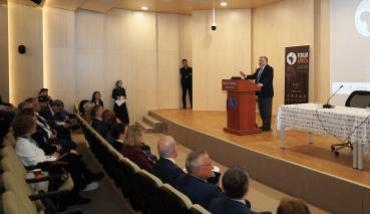
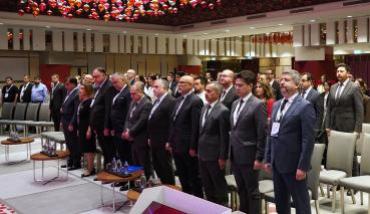
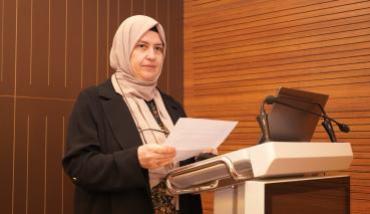
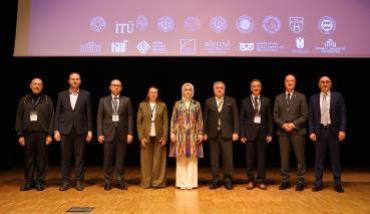
Organized in collaboration with the Turkish Language Association, the Yunus Emre Institute, the Azerbaijan National Academy of Sciences, and the Khazar University, the event took place at the Azerbaijan National Academy of Sciences, located in the historic Ismailiyya Palace where the first congress was held. At the event, which began with the opening speeches of the presidents of the science academies of the Turkic republics, Deputy Minister of Culture and Tourism of the Republic of Türkiye Dr. Serdar Çam, Deputy Minister of National Education of the Republic of Türkiye Assoc. Prof. Dr. Celile Eren Ökten, Director of the Yunus Emre Institute Prof. Dr. Abdurrahman Aliy, President of the Atatürk Supreme Council for Culture, Language and History Prof. Dr. Derya Örs, President of the Turkish Language Association Prof. Dr. Osman Mert, President of the Azerbaijan National Academy of Sciences Prof. Dr. İsa Habibeyli, and Director of Marmara University’s Institute of Turkic Studies Prof. Dr. İlyas Kemaloğlu also delivered speeches.
Emphasis on Digital Humanities and Academic Collaboration
The Baku Congress, which was at the center of the meeting, is considered an important scientific event in the field of Turkology. The seven main topics, ranging from the alphabet issue to orthographic unification and from terminology problems to the search for a common written language, are among the discussions that determine the direction of studies in the field of Turkology. Within this framework, the commemoration meeting held in Baku also addressed the outcomes of the Baku Congress for the Turkic world, its contributions to the field of Turkology, and the current state of Turkological studies. The meeting emphasized the need for more effective use of digital humanities in contemporary scientific research. In this regard, attention was drawn to establishing shared databases, developing comparative dialect datasets, and strengthening interdisciplinary studies. Furthermore, supporting the international academic mobility of young researchers was highlighted as essential for the future of Turkological studies.