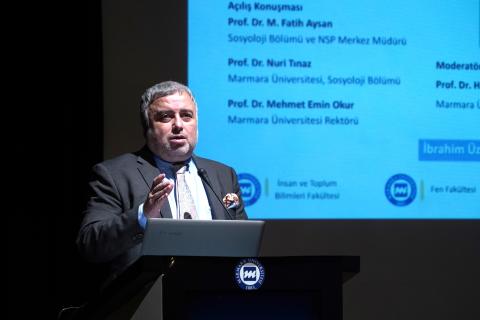
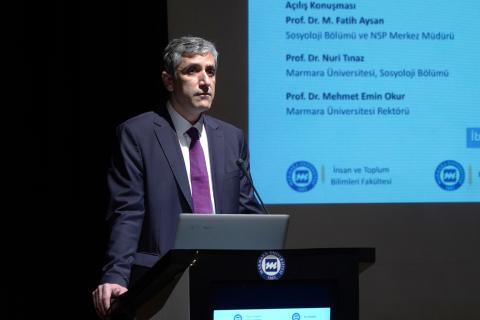
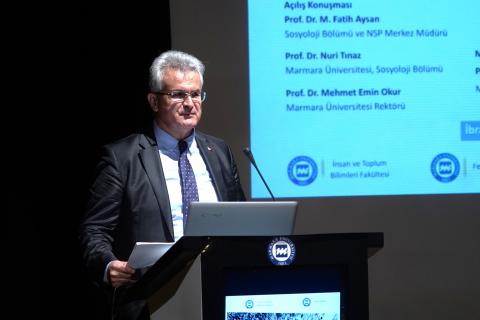
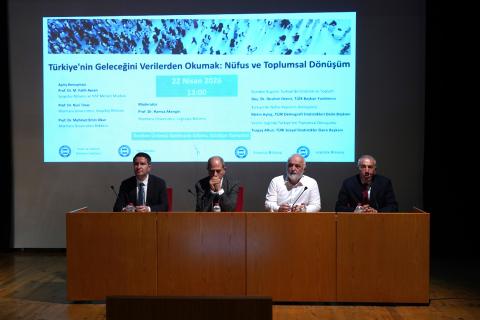
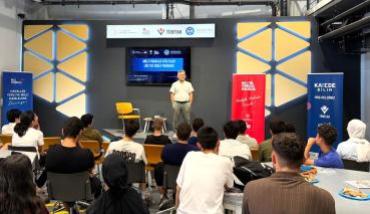
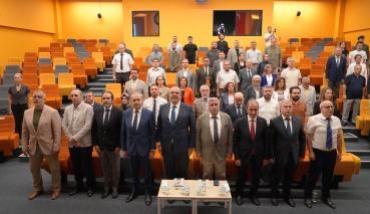
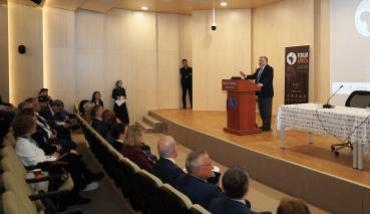
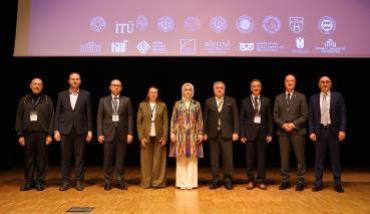
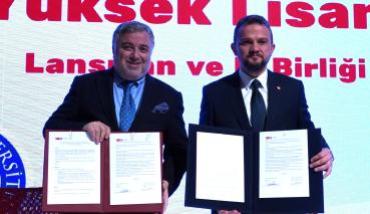
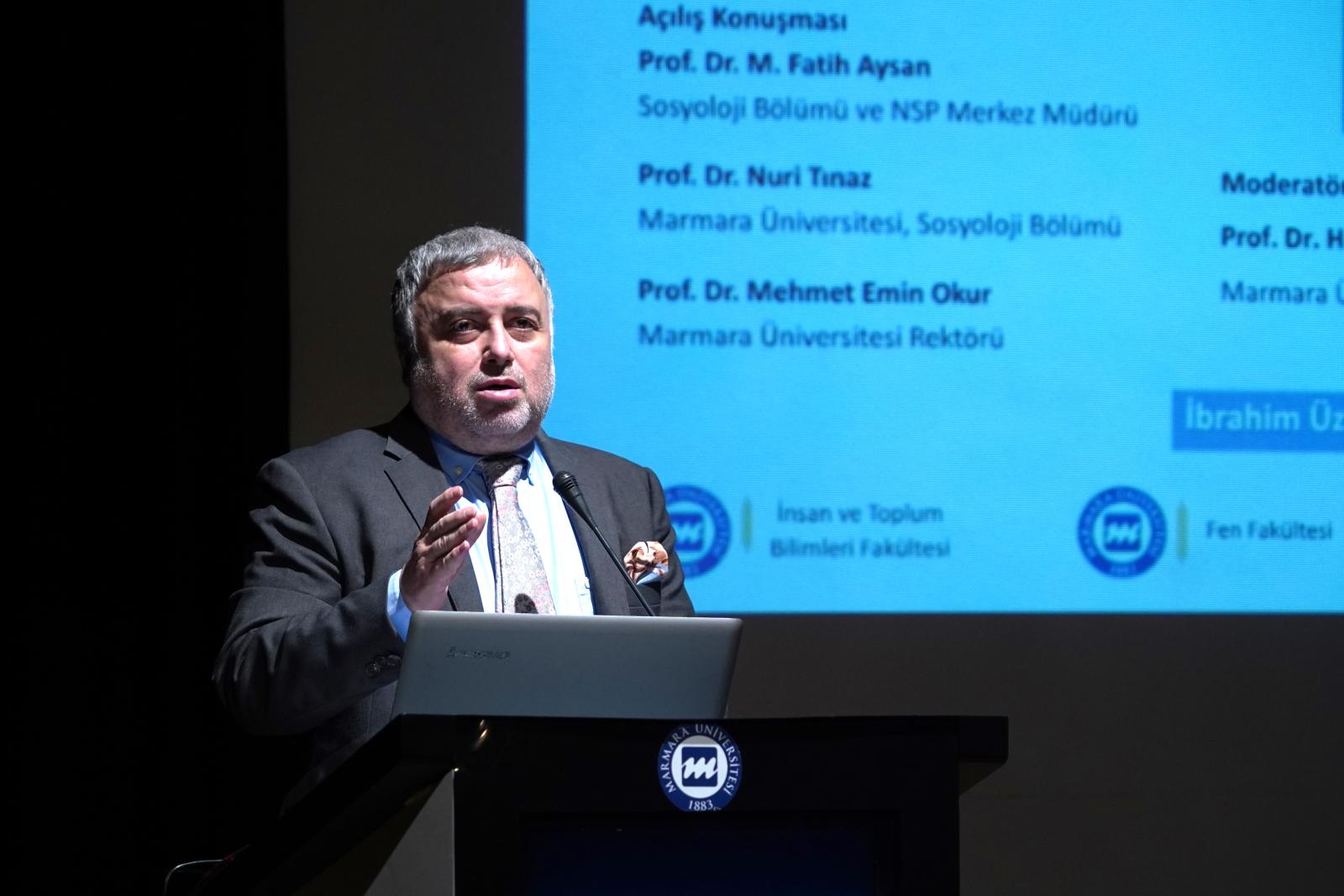
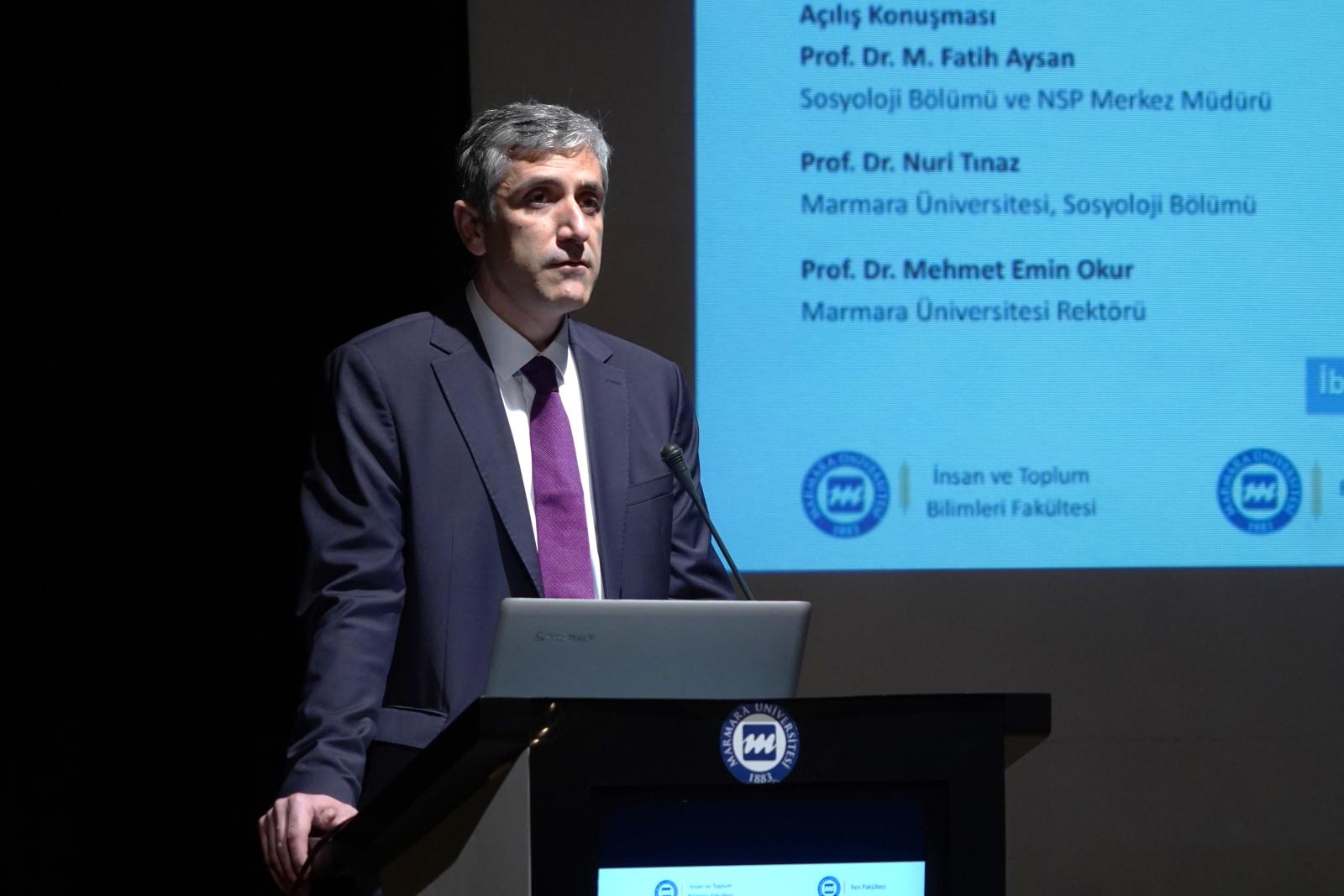
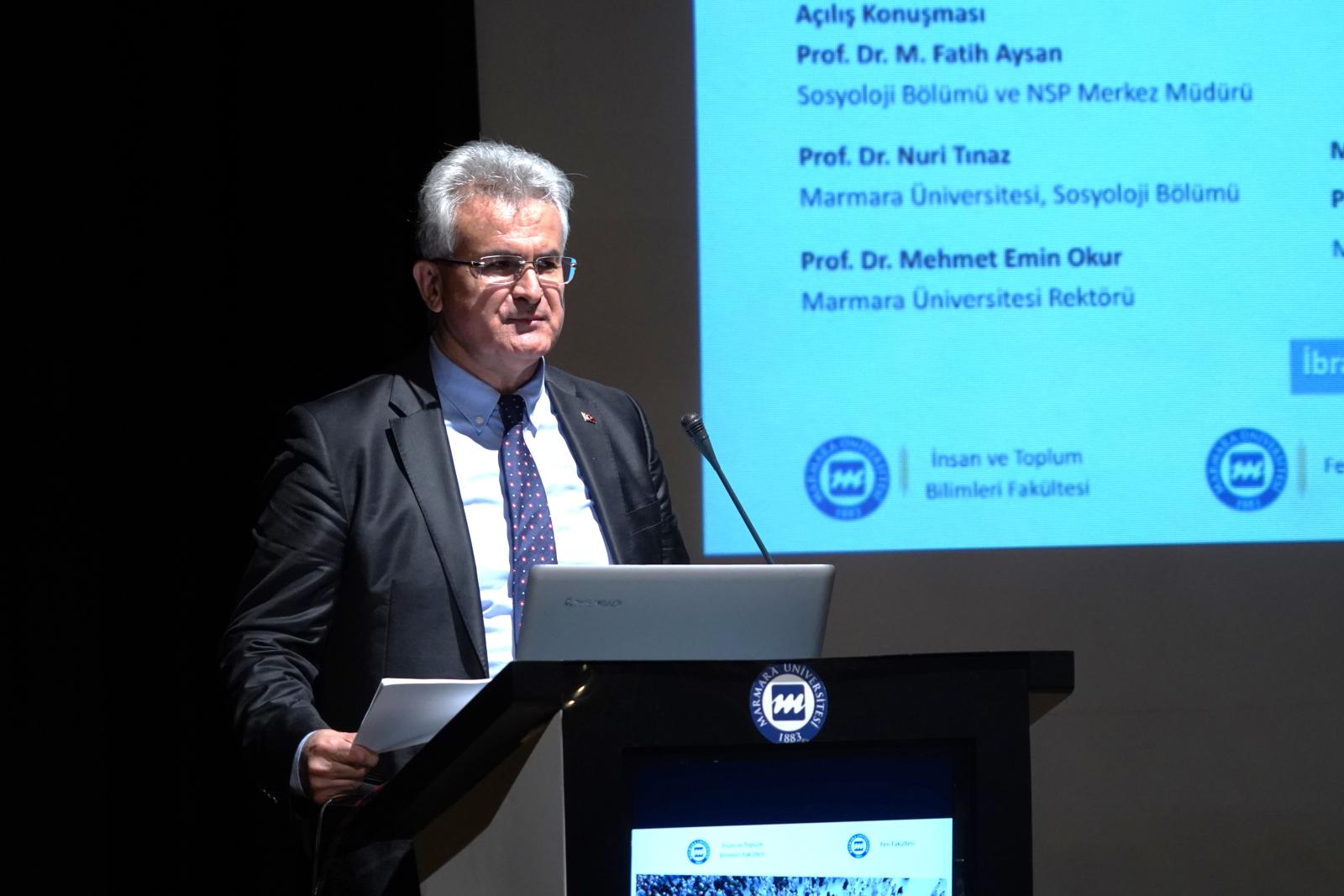
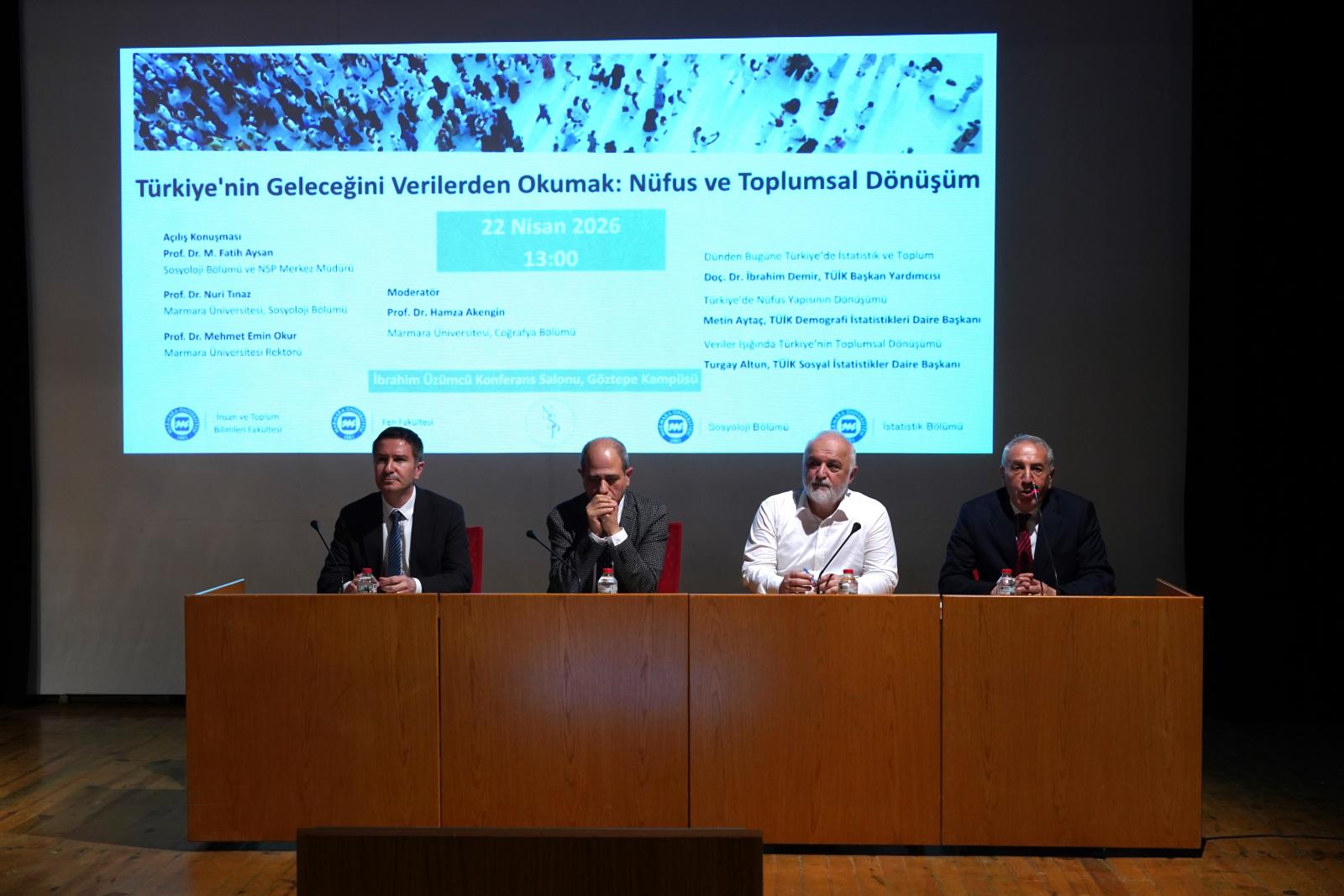
Hosted by Marmara University, the conference titled “Reading Türkiye’s Future Through Data: Population and Social Transformation”—which addressed Türkiye’s demographic structure and processes of social transformation in light of empirical data—was held on Wednesday, April 22, at the Dr. İbrahim Üzümcü Conference Hall on the Göztepe Campus.
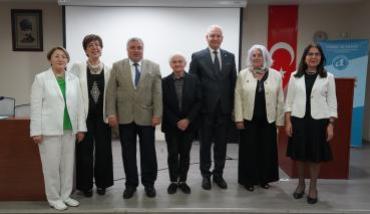
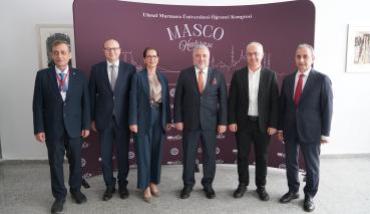
The conference was attended by Marmara University Rector Prof. Dr. Mehmet Emin Okur; Director of the Department of Sociology and the Center for Population and Social Policy Studies, Prof. Dr. Mehmet Fatih Aysan; Head of the Department of Sociology, Prof. Dr. Nuri Tınaz; faculty member of the Department of Geography, Prof. Dr. Hamza Akengin; Vice President of the Turkish Statistical Institute (TURKSTAT), Assoc. Prof. Dr. İbrahim Demir; representatives from TURKSTAT, as well as numerous academics and students.
Rector Okur: “The Trend Toward Individualization Affects Population Dynamics”
In his speech, Marmara University Rector Prof. Dr. Mehmet Emin Okur offered evaluations on population, family structure, and social transformations.
Emphasizing that the program focused on both a current and long-term societal issue, Rector Okur stated that population decline cannot be explained solely by economic and social factors. He noted that individualization is increasing in social life and that changing lifestyles and value systems are impacting the family structure.
Drawing attention to the transformation in family and kinship relations, Rector Prof. Dr. Okur stated that the growing prevalence of single-child family structures weakens intergenerational bonds, leading to significant shifts in social relations. He emphasized that the decrease in the number of children should be evaluated not only through individual preferences but also alongside social and cultural transformations.
He further noted that intra-family roles need to be reconsidered, emphasizing the importance of addressing motherhood and fatherhood roles in a more balanced and socially healthy manner. Rector Prof. Dr. Okur concluded his remarks by noting that issues regarding population and family structure must be evaluated from a multi-dimensional perspective.
The Aging Population and Its Social Impacts
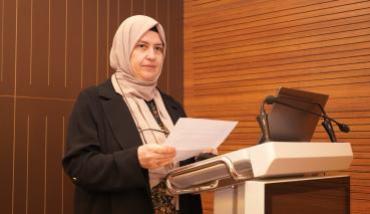
In his speech, Prof. Dr. M. Fatih Aysan emphasized that demographic transformation is a multifaceted process with economic, social, and structural dimensions, not limited merely to population growth. Referring to data from TURKSTAT, he underlined that fertility rates in Türkiye are declining, while the population is aging and the median age is increasing.
Stating that this transformation creates pressure on social security, the labor force, and care services while simultaneously giving rise to new policy opportunities, Prof. Dr. Aysan emphasized the need to adopt a 'constructive demography' approach instead of negative perspectives on population studies, drawing attention to the importance of a perspective that strengthens social welfare and human capital.
Prof. Dr. Mehmet Fatih Aysan concluded his speech by stating that the Center for Population and Social Policies conducts data-driven studies at both national and international levels and that such events contribute to policy-making.
Economic and Cultural Factors in Population Dynamics
Prof. Dr. Nuri Tınaz, Head of the Department of Sociology at Marmara University, shared his assessments on the impact of population policies and societal values on demographic change.
Tınaz stated that despite social policies and planning implemented in many countries since the 1960s, population growth rates have not reached expected levels, particularly in Western Europe. He argued that this situation cannot be explained solely by economic and social policies, emphasizing that religious, national, moral, and cultural values may also influence fertility and family structures.
Providing examples from different religious communities, Prof. Dr. Tınaz stated that value systems encouraging family formation and childbearing can contribute to population growth. He also listed factors contributing to population decline, including delayed marriages, postponement of having children, economic difficulties, unemployment, urbanization, and the shrinking of family structures.
Referring to demographic projections for 2050, he indicated that population growth is expected to be concentrated in Africa, while declines are anticipated in Western and Northern European countries.
In the remainder of the conference, the transformation of Türkiye’s population structure, the role of statistics in social analysis, and future demographic trends were discussed from multiple perspectives. The event aimed to contribute to data-driven policymaking by bringing together Marmara University academics and representatives of public institutions.