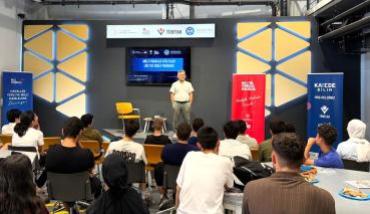
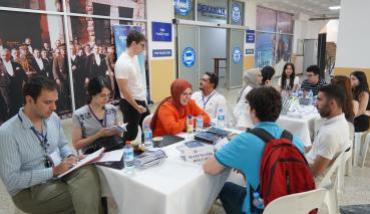
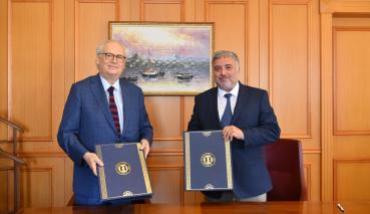
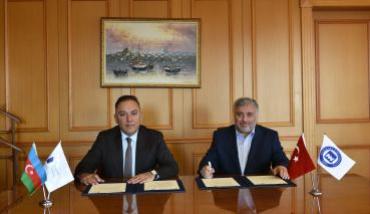
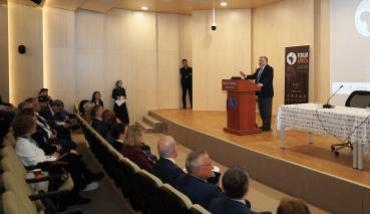
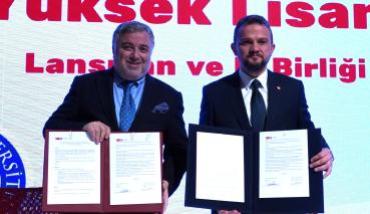
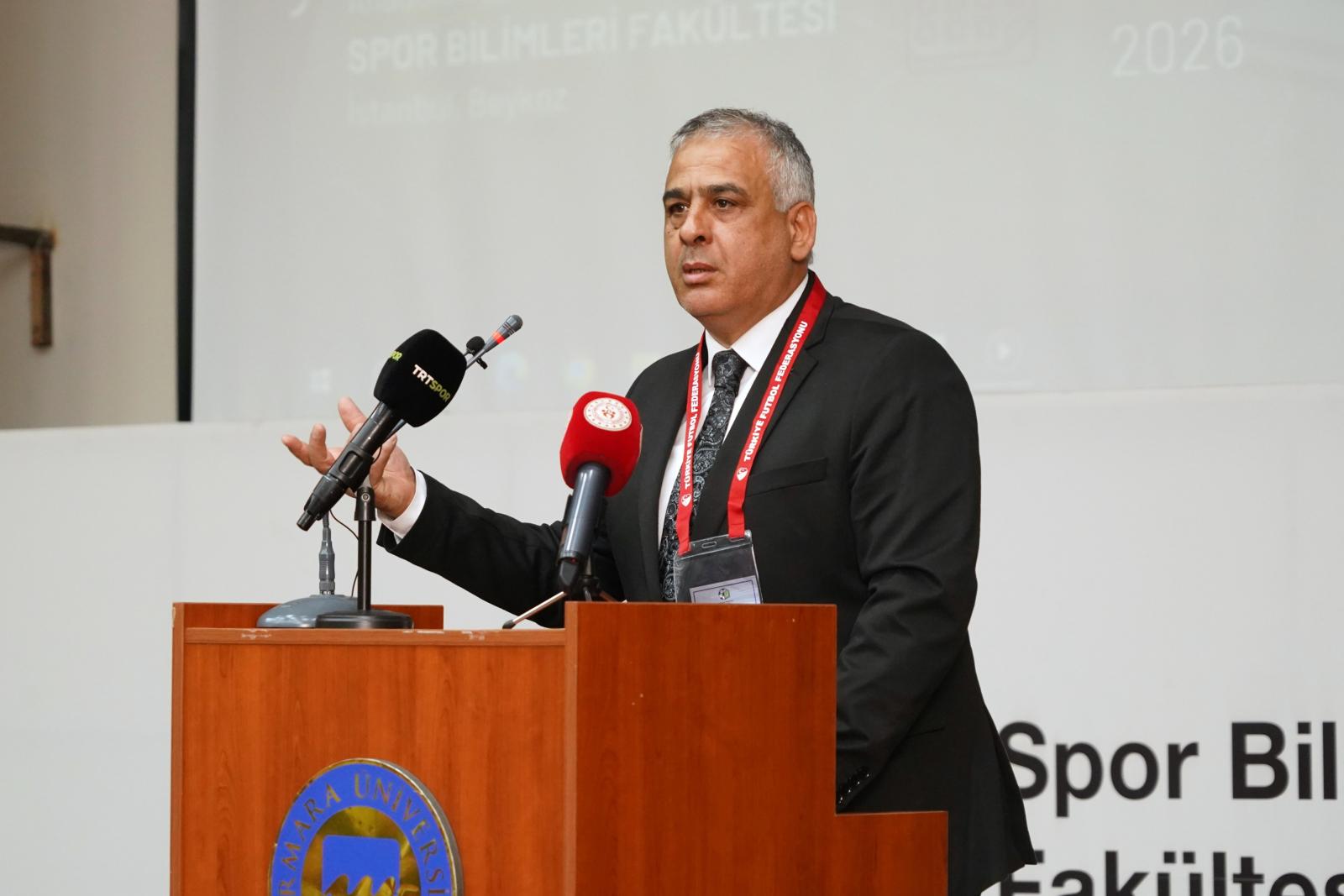
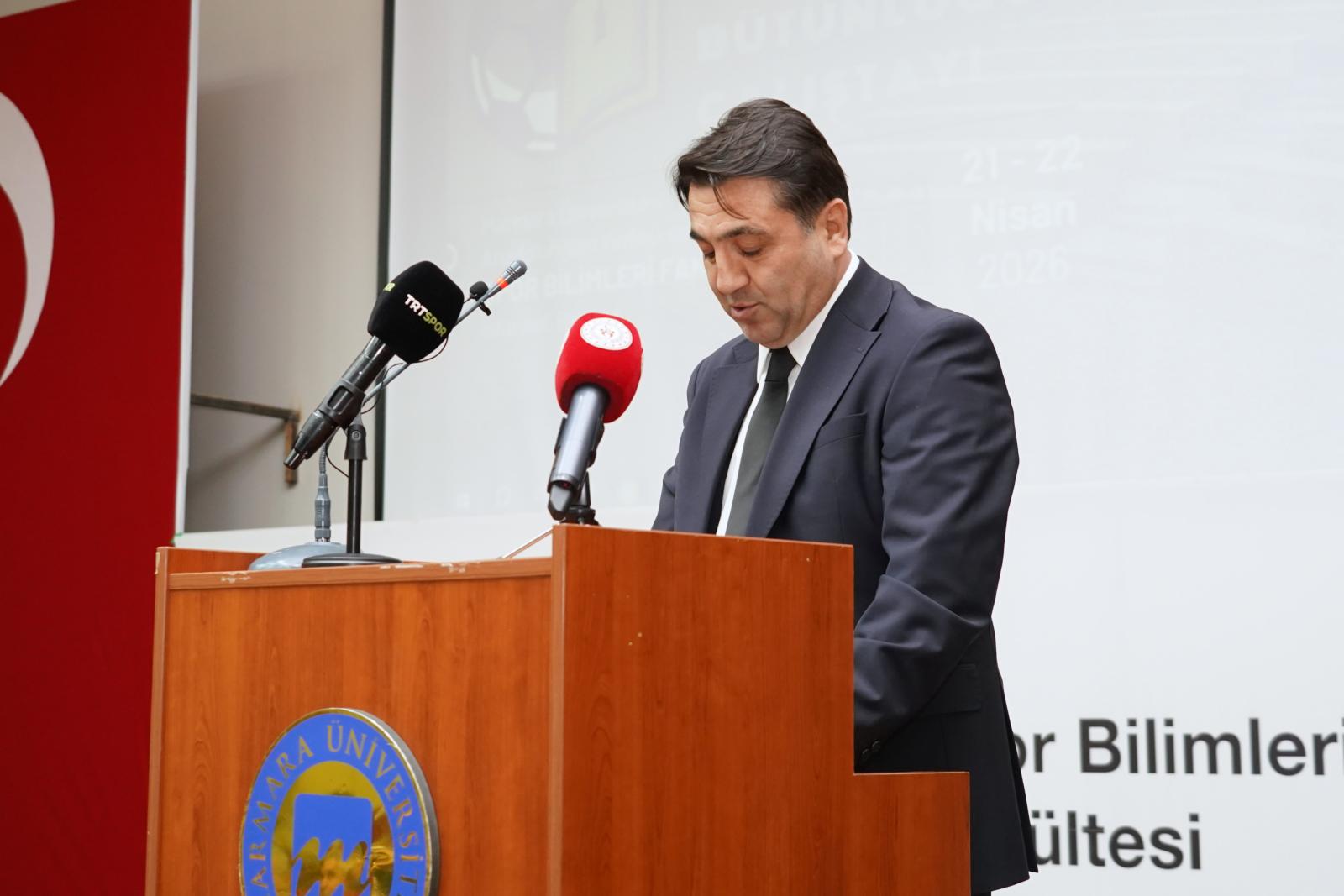
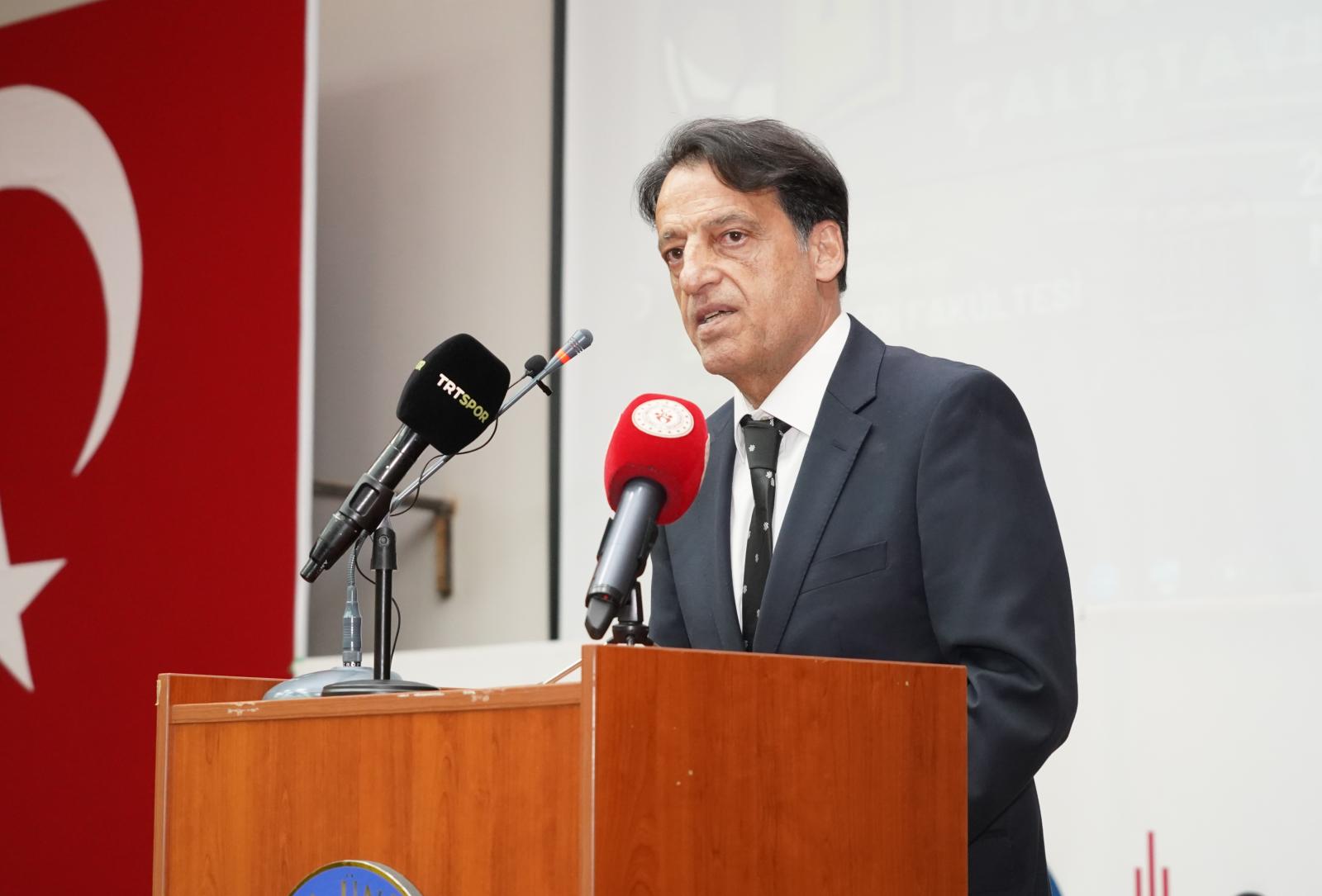
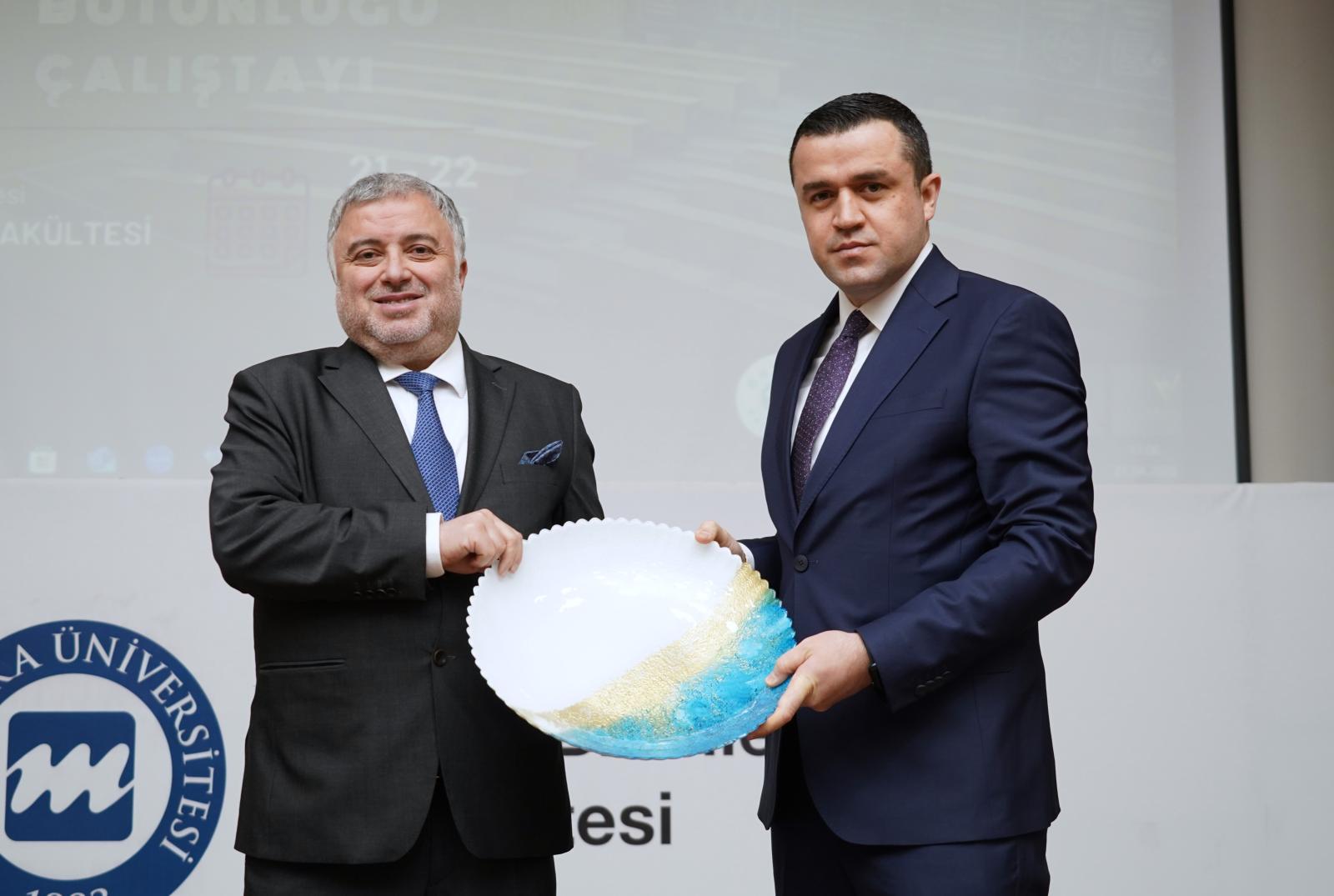
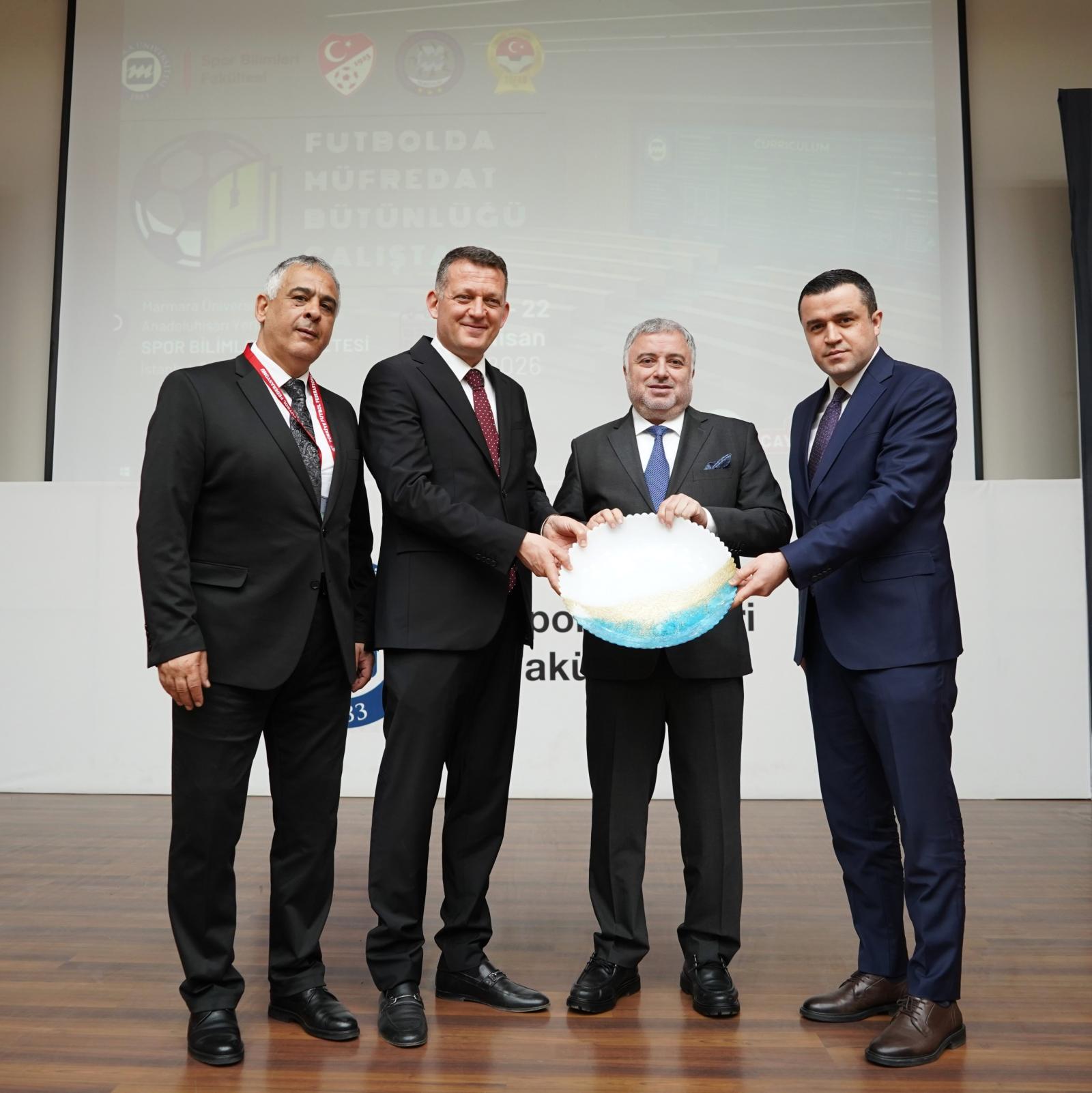
Hosted by the Marmara University Faculty of Sport Sciences, the opening of the "Curriculum Integration Workshop in Football" was held on Tuesday, April 21, at the Anadoluhisarı Campus. The workshop was organized in collaboration with the Turkish Football Federation (TFF) and the Marmara University Physical Education and Sports Higher Education Alumni Association. The workshop aimed to develop a holistic educational structure that would facilitate access to coaching licenses for students specializing in football by addressing the harmonization of university coaching education programs with the curricula of the International Federation of Association Football (FIFA), the Union of European Football Associations (UEFA), and the TFF.
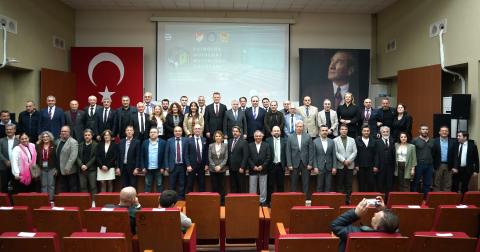
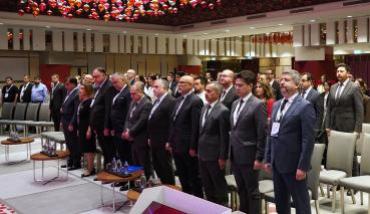
The opening ceremony of this significant event, which aims to shape the future of football education, was attended by Marmara University Rector Prof. Dr. Mehmet Emin Okur, Beykoz District Governor Dr. Fatih Ürkmezer, Istanbul Provincial Director of Youth and Sports Muhittin Özbay, Dean of the Faculty of Sport Sciences Prof. Dr. Mehmet Mustafa Yorulmazlar, TFF Director of Football Development Emrah Bayraktar, TFF officials, academics, and numerous guests.
Rector Prof. Dr. Mehmet Emin Okur: “Football is More Than Just a Game.”
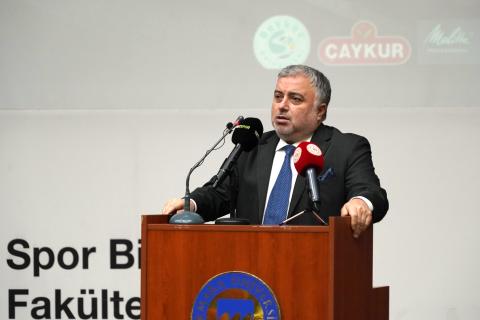
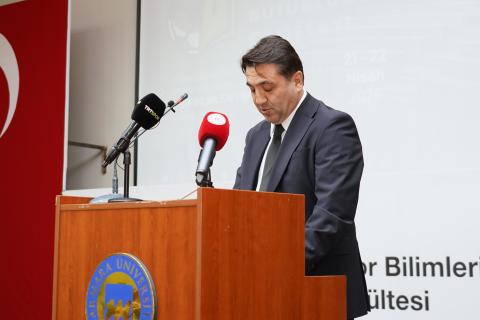
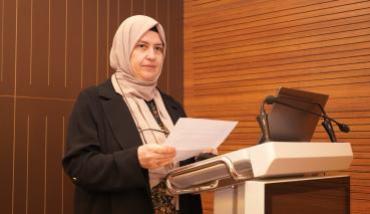
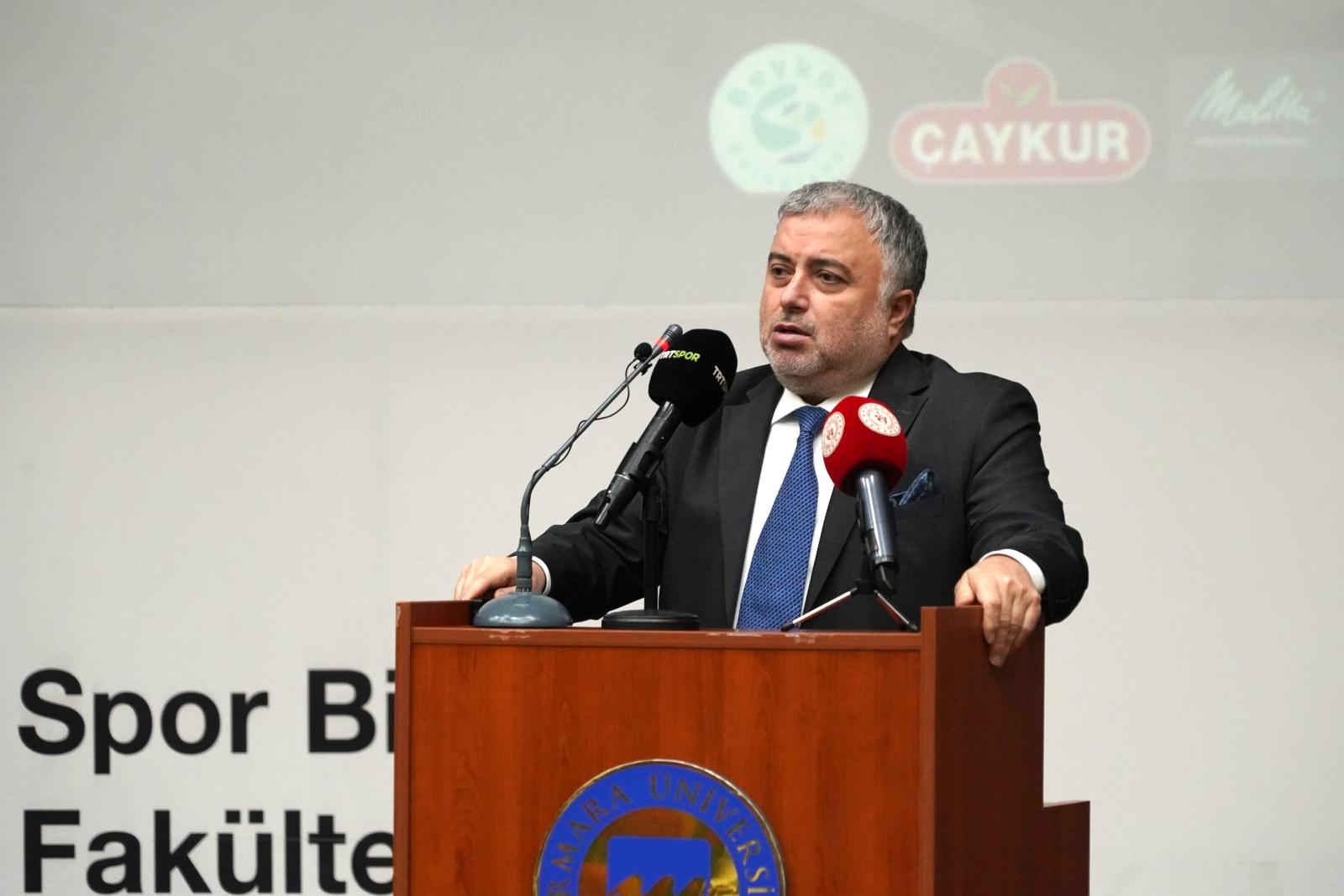
In his opening speech at the workshop, Marmara University Rector Prof. Dr. Mehmet Emin Okur emphasized the university’s deep-rooted history in sports education and stated that such organizations fill a vital gap both academically and socially. Expressing that sports is not merely a physical activity, Prof. Dr. Okur underlined their critical role in steering young people away from violence and fostering their development as healthy individuals. Drawing attention to sports as a significant balancing factor against new addictions brought about by digitalization, Rector Okur underlined that football creates a strong cultural and social bond beyond being merely a game, and pointed to Türkiye’s potential in this field.
Stating that “the healing power of sport is one of the most effective tools in guiding young people in the right direction,” Rector Okur emphasized football’s unifying power and high representational capacity on a global scale. He also said that Türkiye’s strong interest in football constitutes a significant advantage, adding: “Football is not just football; it is also a matter of belonging and identity.”
Indicating that the workshop is a strategic step for curriculum integrity, Rector Okur emphasized the necessity of a holistic approach encompassing educational, technical, psychological, and social dimensions. Expressing that this process will enhance the quality of coaching training and sports education, Prof. Dr. Okur said, “This workshop will serve as a milestone and a guiding reference for us.” He also emphasized the need for a correct analysis of Türkiye's strengths, opportunities, and threats in the field of football, adding that issues such as the football economy and betting should be handled with care.
Muhittin Özbay: “We are Raising Humans, Not Machines.”
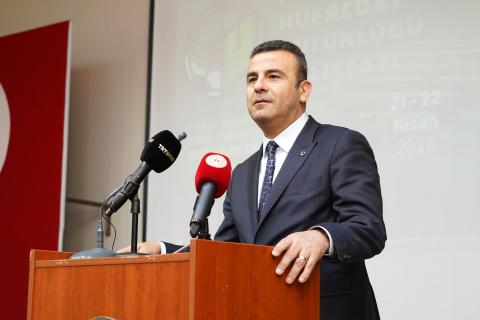
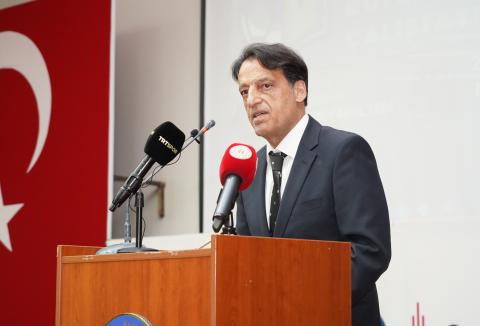
In his remarks, Istanbul Provincial Director of Youth and Sports Muhittin Özbay emphasized that the fundamental approach in sports education should be centered on “raising individuals.” He stated that alongside technical competence, curricula must incorporate ethics, values education, and child protection. Underscoring that sports are not solely performance-oriented but also contribute to character and personality development, Özbay highlighted the importance of introducing children to foundational disciplines such as gymnastics and athletics at an early age. Stating that education and sports should not be separated, Director Özbay said that conducting academic success and sporting development together would produce higher-quality athletes and more well-equipped individuals. He further stressed the necessity of making pedagogical formation and child protection courses mandatory in coach education programs, describing this approach as critical for the future of sports.
A New Era in TFF–University Cooperation
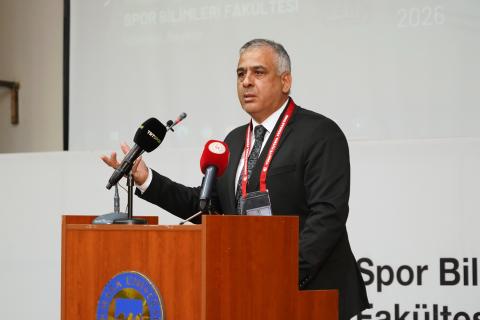
In his speech, Marmara University Dean of the Faculty of Sport Sciences Prof. Dr. Mehmet Mustafa Yorulmazlar emphasized that sports is not only an area of competition but also an educational process, stating that the concept of raising humans should be at the heart of curriculum studies. Drawing attention to the importance of moral values, child protection, pedagogical approaches, and scientific foundations in education, Dean Yorulmazlar stated that handling football alongside academic knowledge would produce more qualified athletes and coaches. Prof. Dr. Yorulmazlar also stated that strengthening cooperation between universities and the TFF represents a strategic step for the advancement of Turkish football, adding that the workshop constitutes an important starting point in this regard.
Emphasis on European Standards in Coach Education
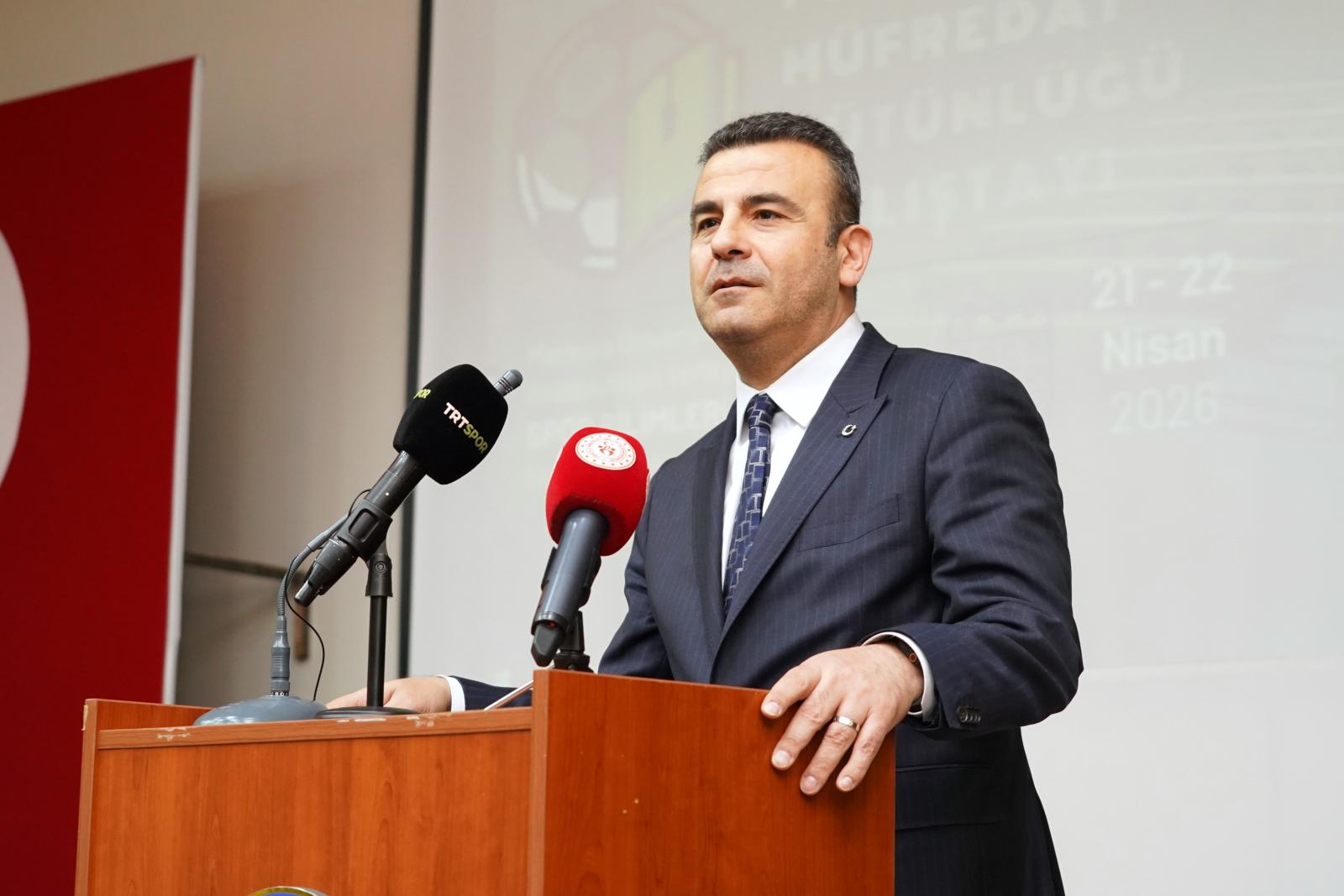
TFF Director of Football Development Emrah Bayraktar underlined that improving quality and standards in coach education is a strategic priority. He stated that with Türkiye's participation in the UEFA Coaching Convention system, the educational structure has been aligned with European standards while also integrating local football culture. Bayraktar emphasized that strong collaboration between universities and the TFF is essential for sustainable football development, stating that harmonizing academic curricula with coach education programs would establish a common standard. Drawing attention to Türkiye’s robust sports sciences infrastructure, he expressed confidence that adopting a scientific approach and ensuring unity in education would enhance the international success of Turkish football.
The Search for a Common Curriculum in Football Education
Workshop Coordinator Müslüm Gülhan stated that the divergence of football education curricula across various faculties of sport sciences hinders educational integrity, and thus, they aim to create a common curriculum between the TFF and universities. Gülhan emphasized that the primary goal of the workshop is to ensure standardization in coaching education and to harmonize the academic-applied structure.
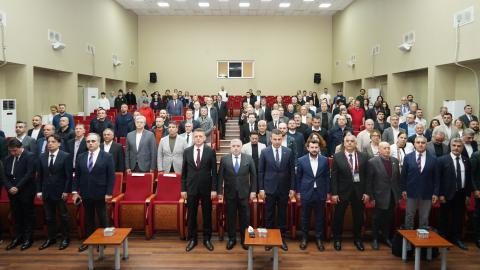
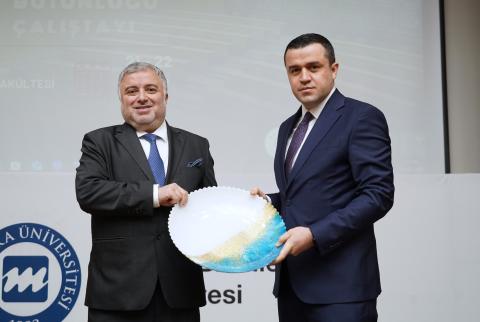
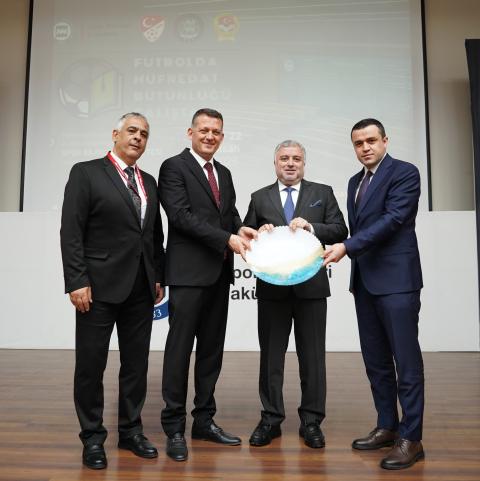
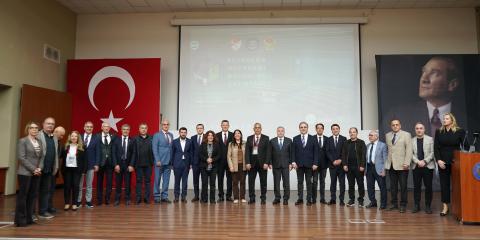
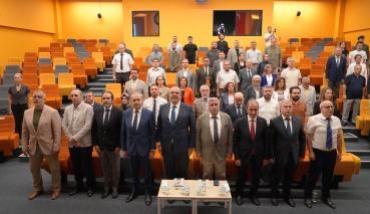
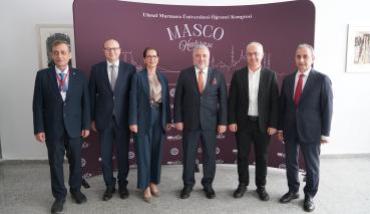
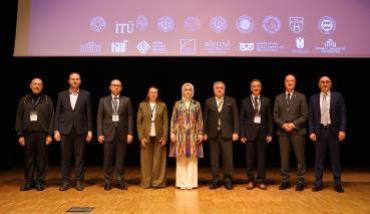
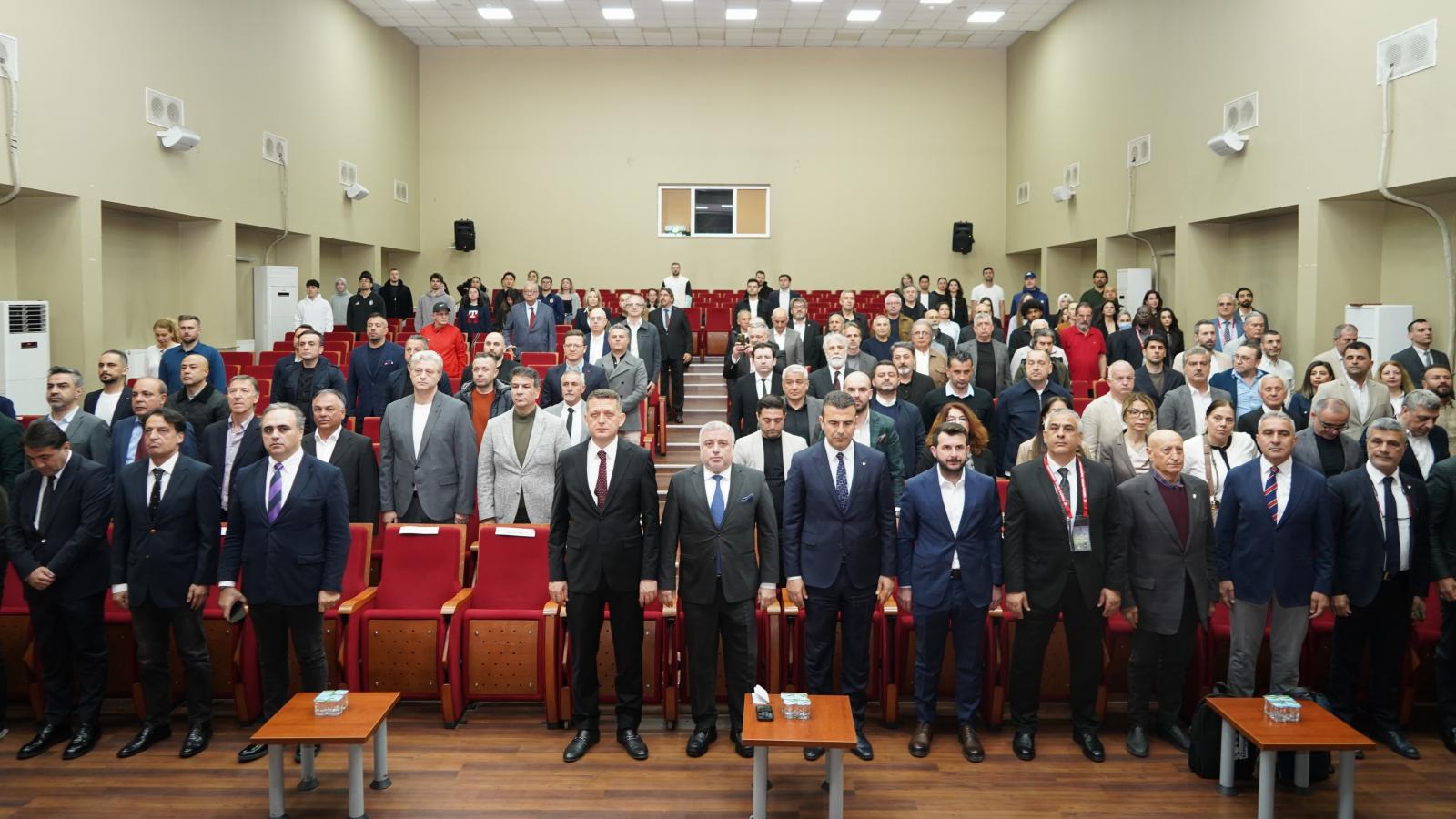
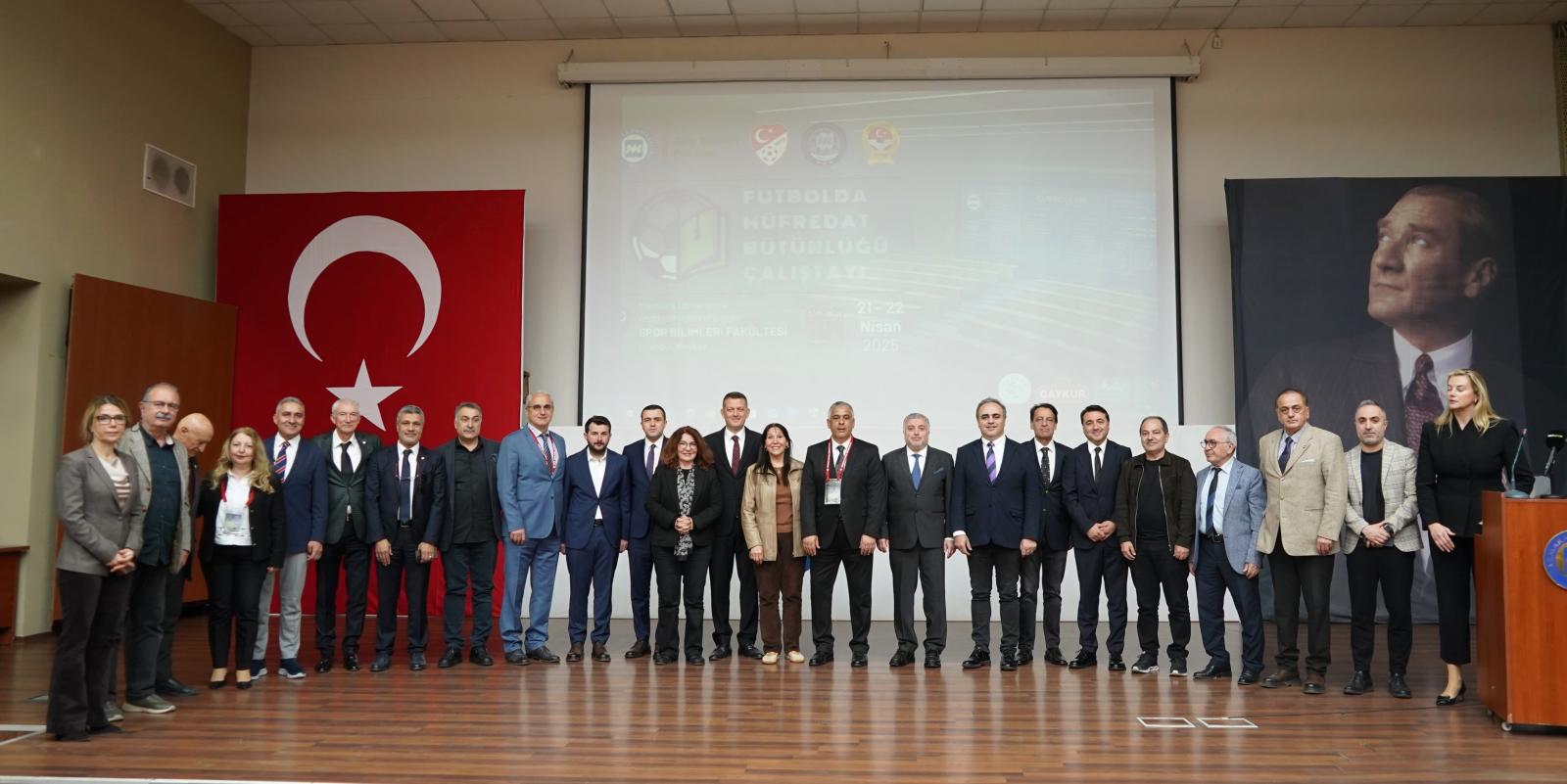
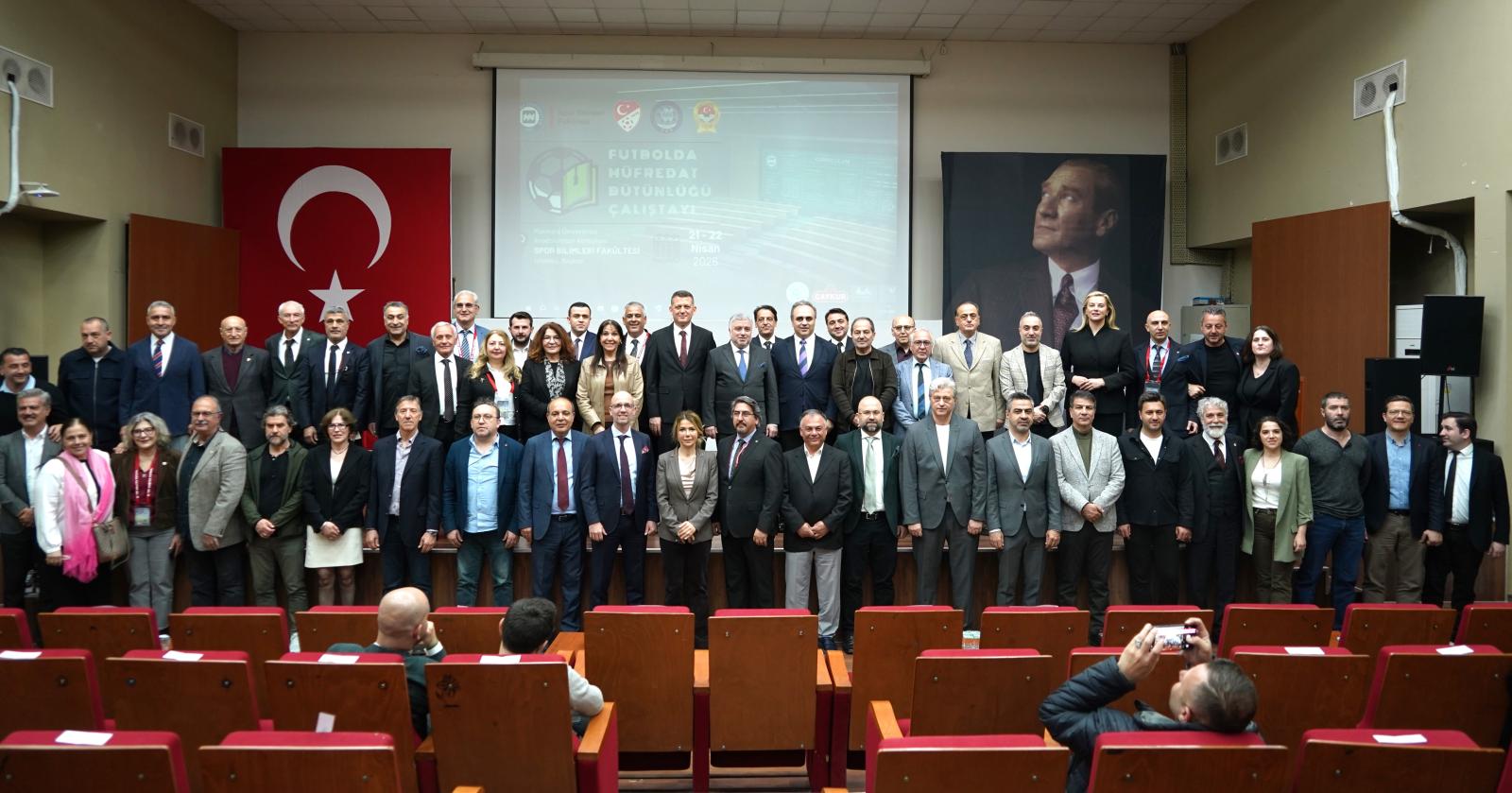
The opening ceremony concluded with a group photo of the participants. In the workshop, which will continue on April 21-22, academics, coaches, and federation representatives will come together in nine different working groups to conduct solution-oriented evaluations. This significant organization, where the curriculum integrity of FIFA, UEFA, and TFF will be discussed, is expected to contribute to the development of the academic and applied structure for the future of football education.