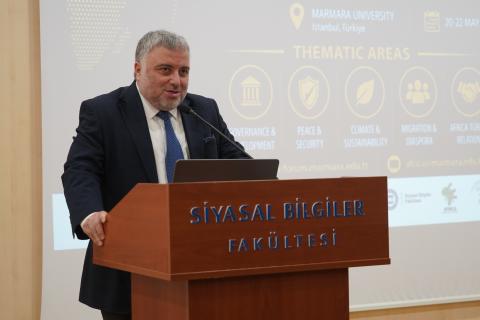
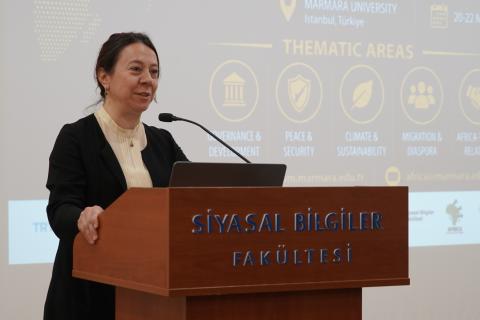
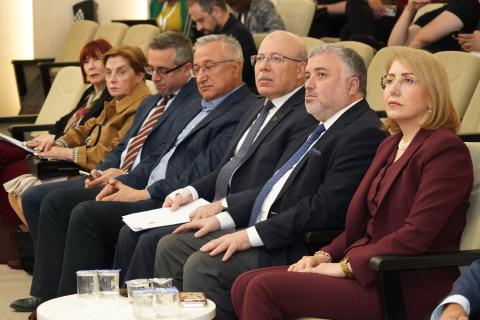
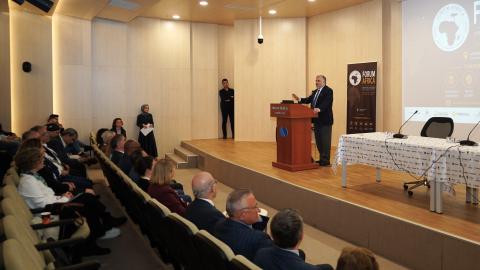
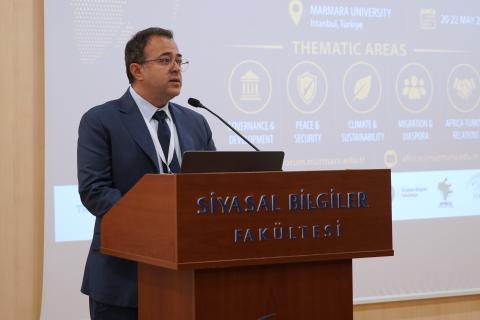
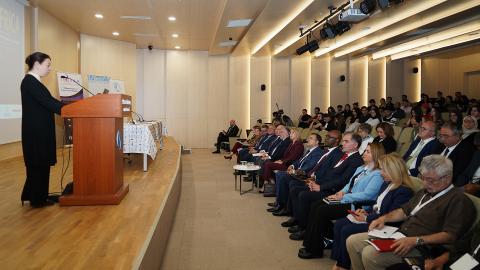
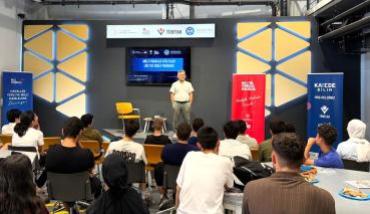
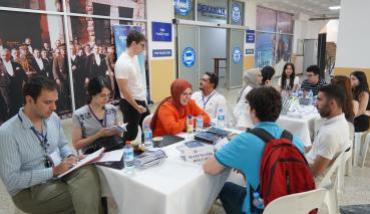
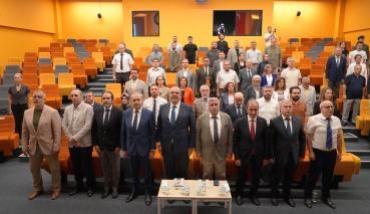
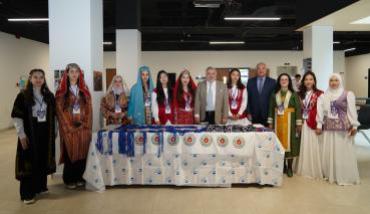
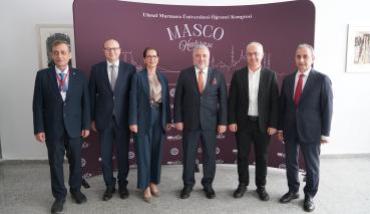
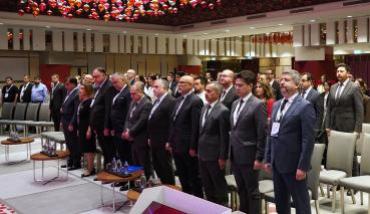
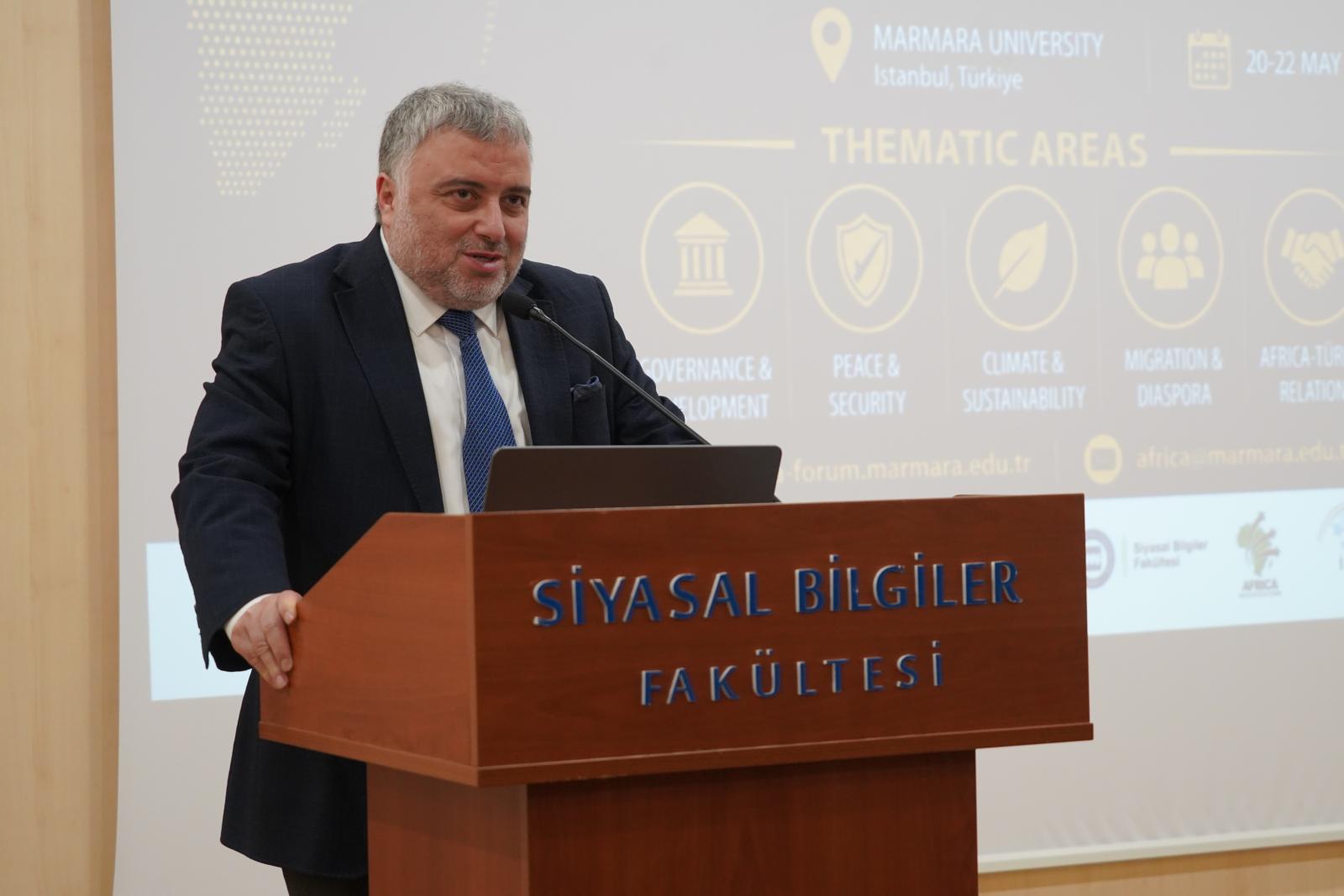
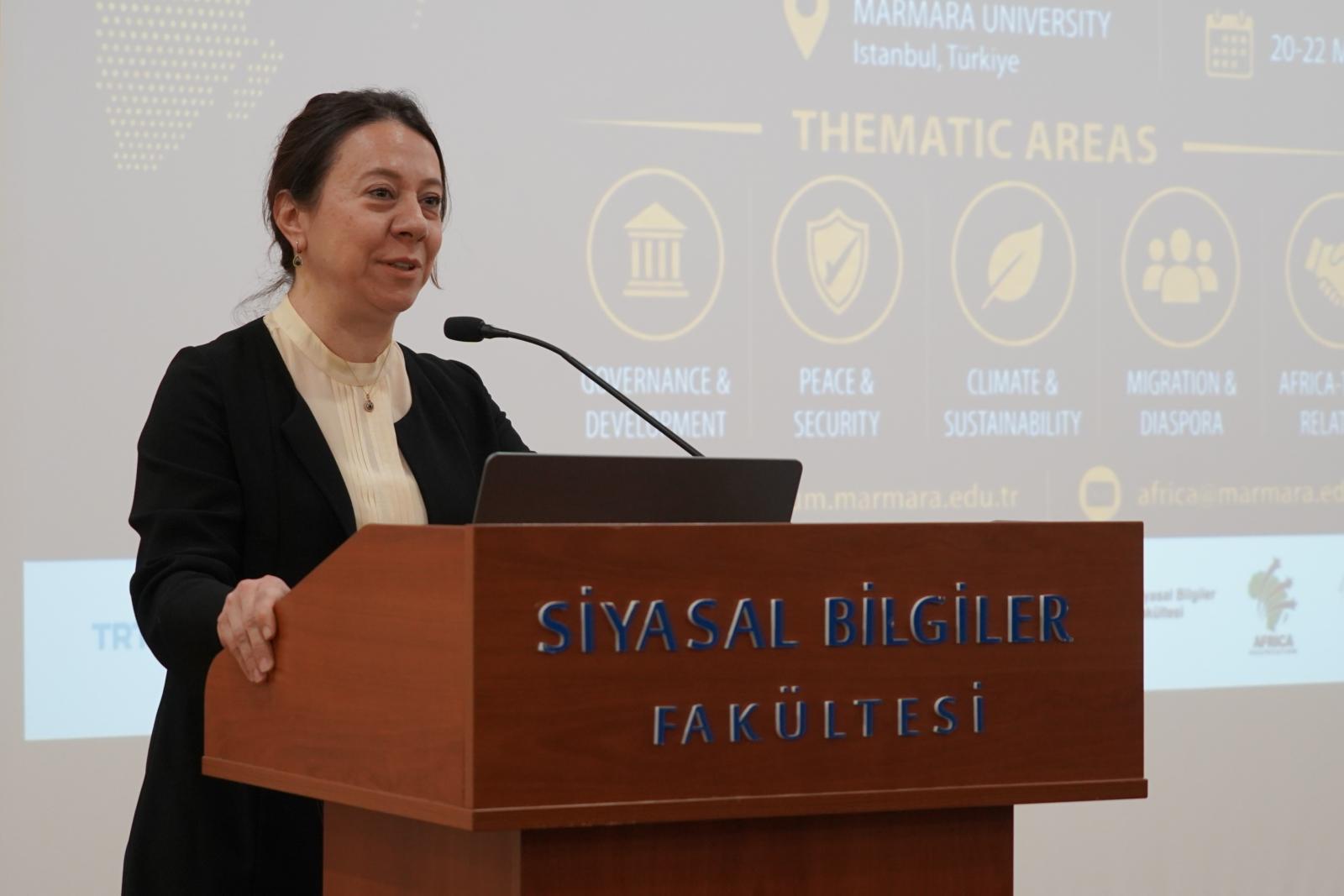
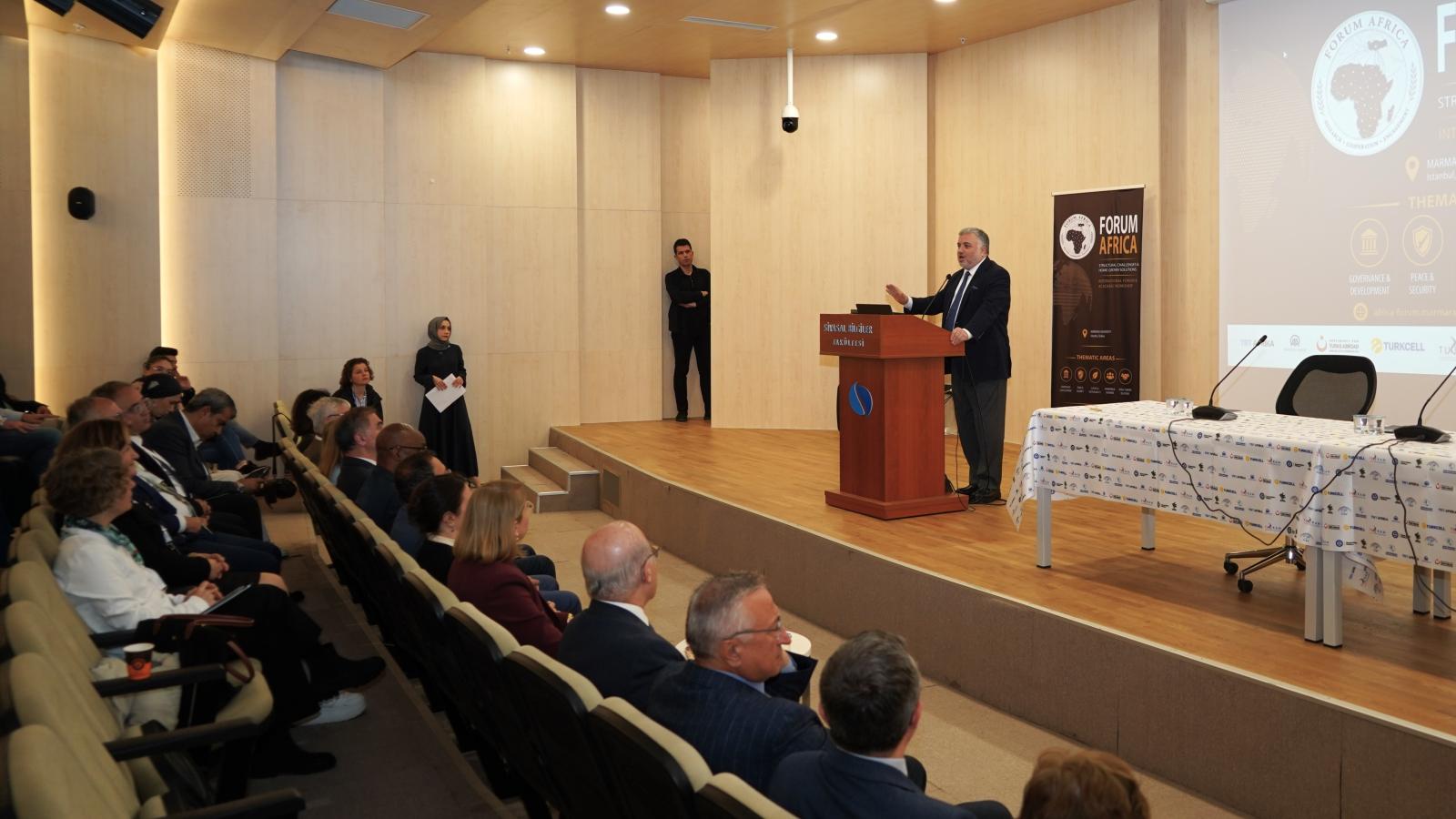
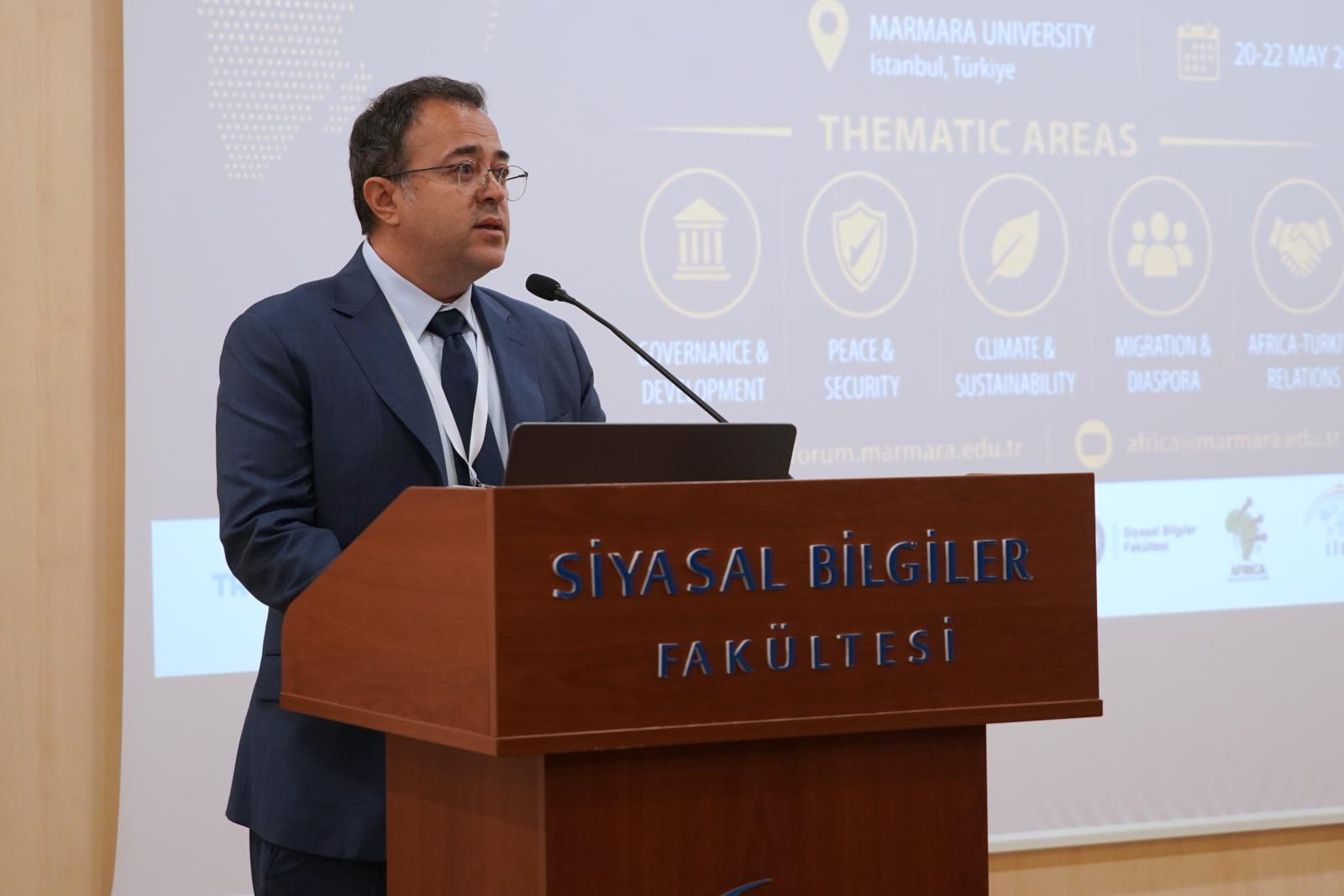
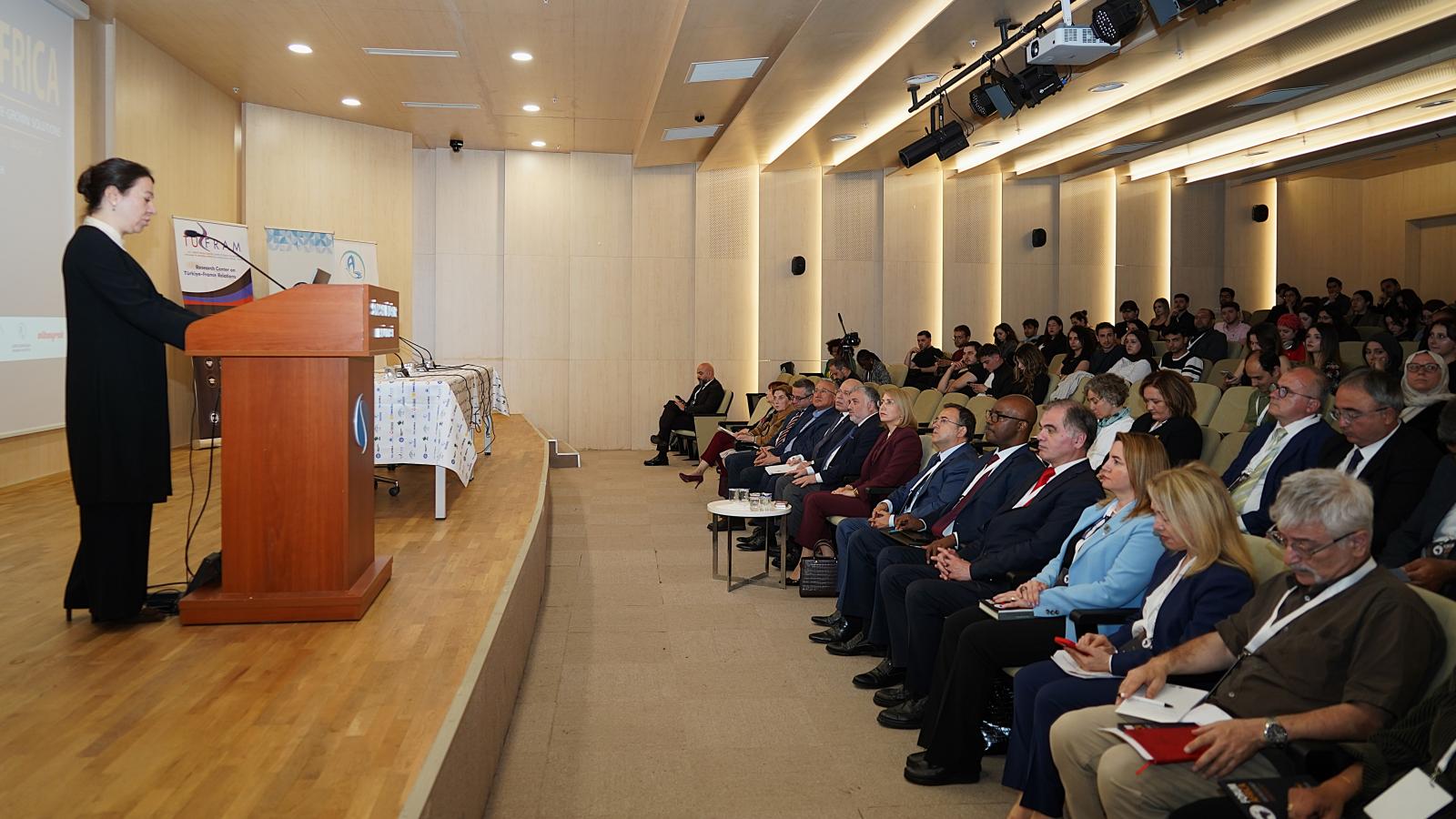
The international event titled “Forum Africa: Structural Challenges and Home-Grown Solutions” was held on May 20, 2026, at the Conference Hall of the Faculty of Political Sciences on the Recep Tayyip Erdoğan Campus, under the hosting of Marmara University Faculty of Political Sciences
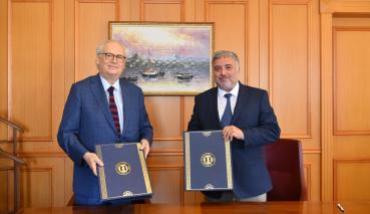
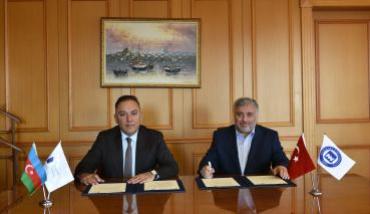
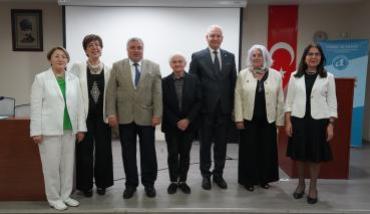
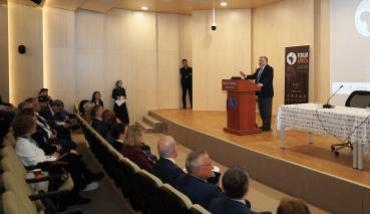
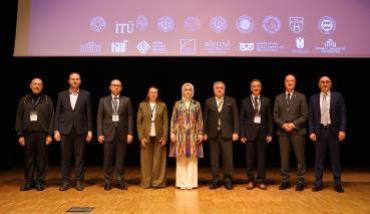
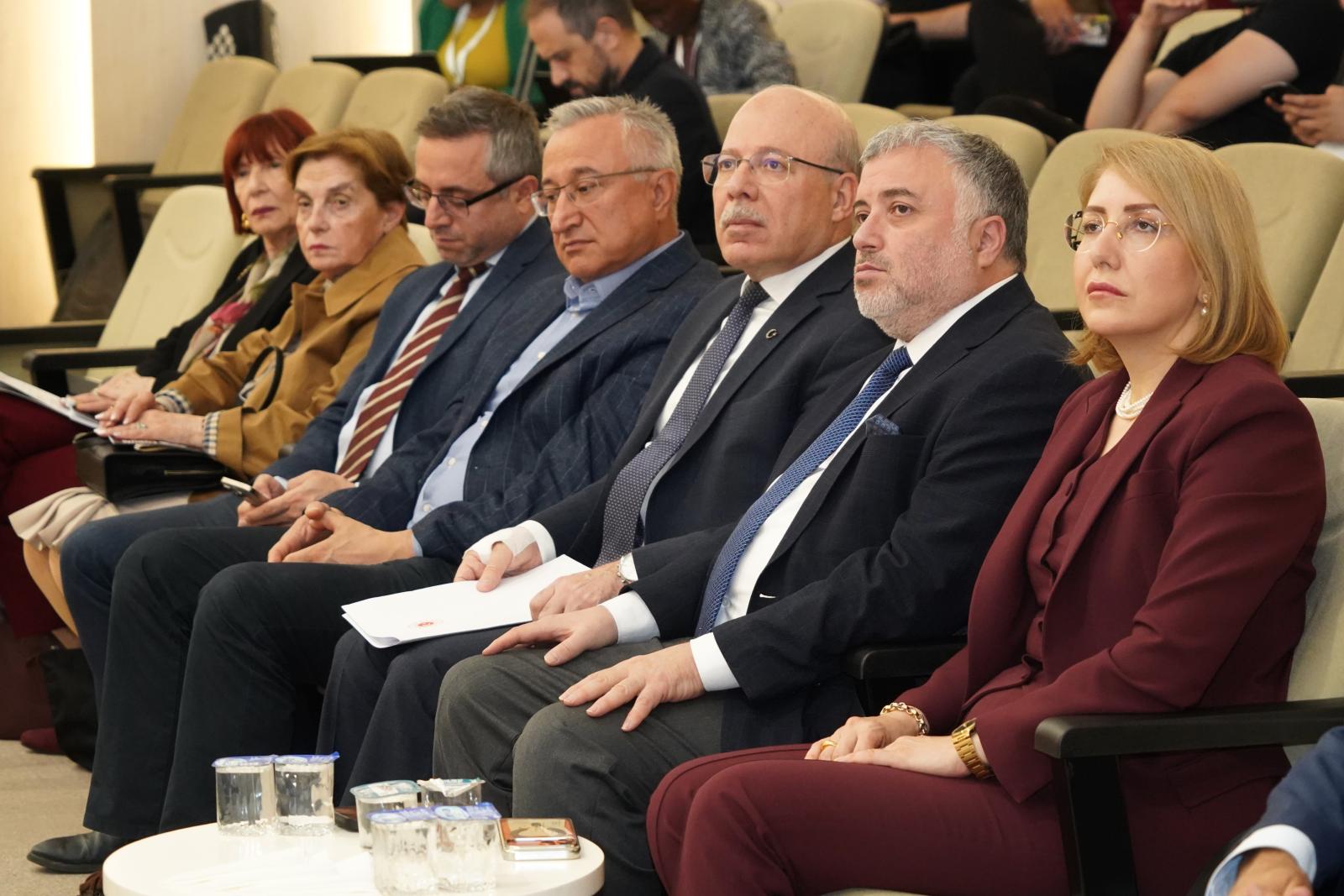
Organized in cooperation with the Marmara University Center for Turkey–France Relations Application and Research (TUFRAM) and the Afro-Eurasian Research Institute (Istanbul), the opening speech of the program was delivered by the Rector of Marmara University, Prof. Dr. Mehmet Emin Okur. The event was also attended by Ambassador Ayşe Sözen Usluer, the Istanbul Representative of the Ministry of Foreign Affairs; Dr. Serap Özmen Çetin, Deputy Governor of Istanbul; Prof. Dr. Ali Arı, Head of the Organizing Committee and Faculty Member of Marmara University Faculty of Political Sciences; as well as academics, diplomats, and numerous students.
A Message of Global Responsibility and Shared Future from Rector Okur
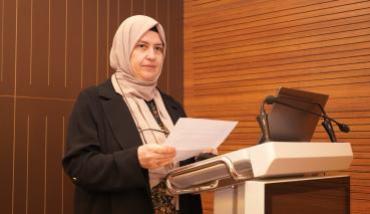
In his speech, Rector Prof. Dr. Mehmet Emin Okur stated that Africa’s structural problems are multidimensional and rooted in a long historical background. Emphasizing that the event provided an important academic platform, Rector Okur drew attention to global inequalities and highlighted the contradictions within the world order by asking, "Why is someone discussing life on Mars while another is wondering if they will survive tomorrow?"
Expressing that the challenges Africa faces—such as hunger, colonialism, coups, epidemics, and access to knowledge—are structural in nature, Rector Okur noted that these current problems cannot be solved solely through economic means. Addressing the distribution of resources and production relations within the global system, he argued that the understanding of “limited resources and unlimited needs” should be reconsidered.
Pointing out Africa's young and dynamic population, Rector Okur emphasized that the continent also holds great potential in terms of natural resources. However, noting that this potential cannot be fully utilized due to structural barriers, Rector Okur stated that the solution lies in more equitable and knowledge-based approaches rather than external interventions.
Concluding his speech, Rector Okur expressed that the responsibility for generating solutions cannot be left solely to those who benefit from the current system, calling for a more inclusive global responsibility with the words: "A duty falls upon those who do not do this."
Africa’s Structural Challenges Addressed Through a Multidimensional Perspective at Forum Africa
The forum, which will continue from May 20 to 22, brought together representatives from academia, diplomacy, business, and cultural and artistic circles. The structural problems faced by the African continent will be discussed from a multidimensional perspective over the course of three days. Within the scope of the event, context-sensitive solution proposals prioritizing regional experiences and based on local knowledge will be evaluated instead of externally imposed, uniform development models.
Designed as a multilayer, interdisciplinary platform, the forum brought together policy-oriented discussions, academic production, and cultural interaction within a single framework. During the panels, sessions, and academic workshops organized as part of the event, Africa’s structural issues, regional transformations, and the future of Türkiye–Africa relations will be examined by experts from various disciplines.
Forum Africa is expected to conclude as a significant organization aiming to establish a sustainable dialogue platform that goes beyond being merely an academic gathering by bringing together policy production, academic knowledge sharing, and cultural interaction on the same ground.