The 4th International Symposium on Social Sciences and Turkish Culture (SOBİTÜRK 2026), organized annually by Marmara University’s Faculty of Humanities and Social Sciences around a different theme each year, opened under the main theme of “Culture of Dress.”
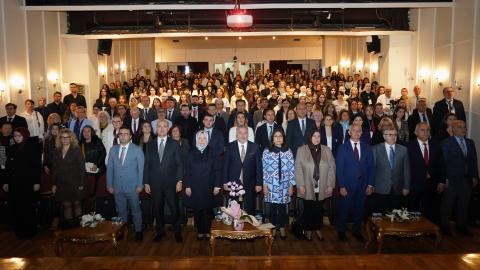
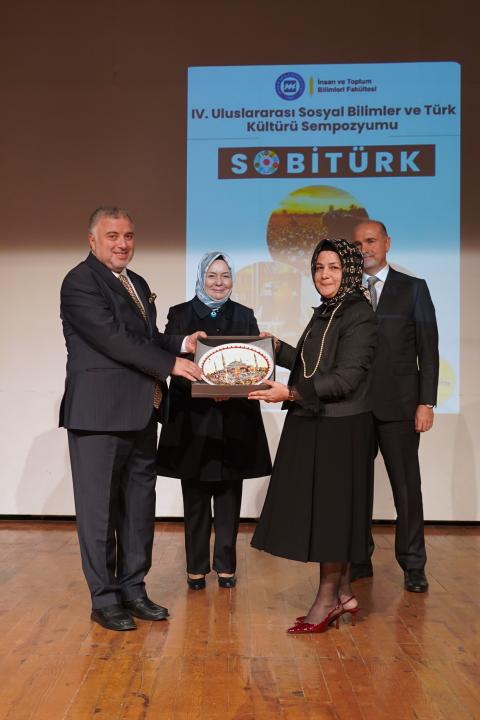
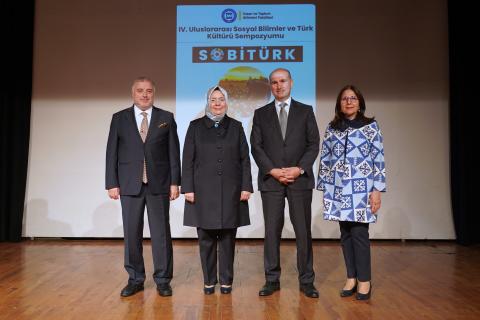
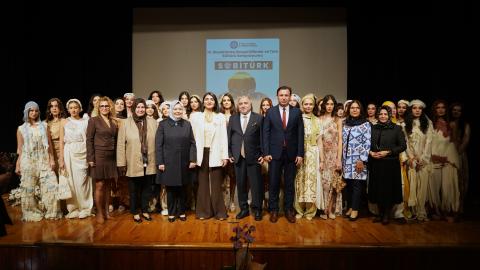
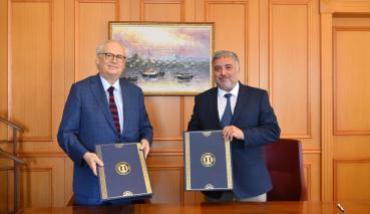
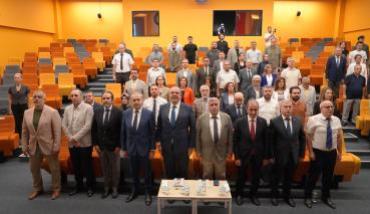
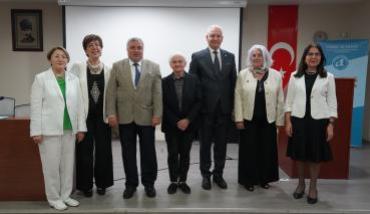
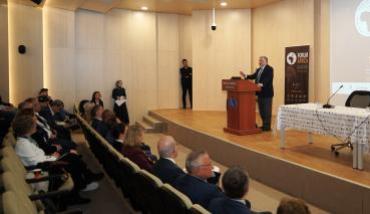
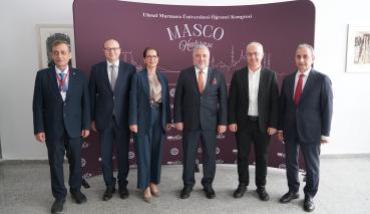
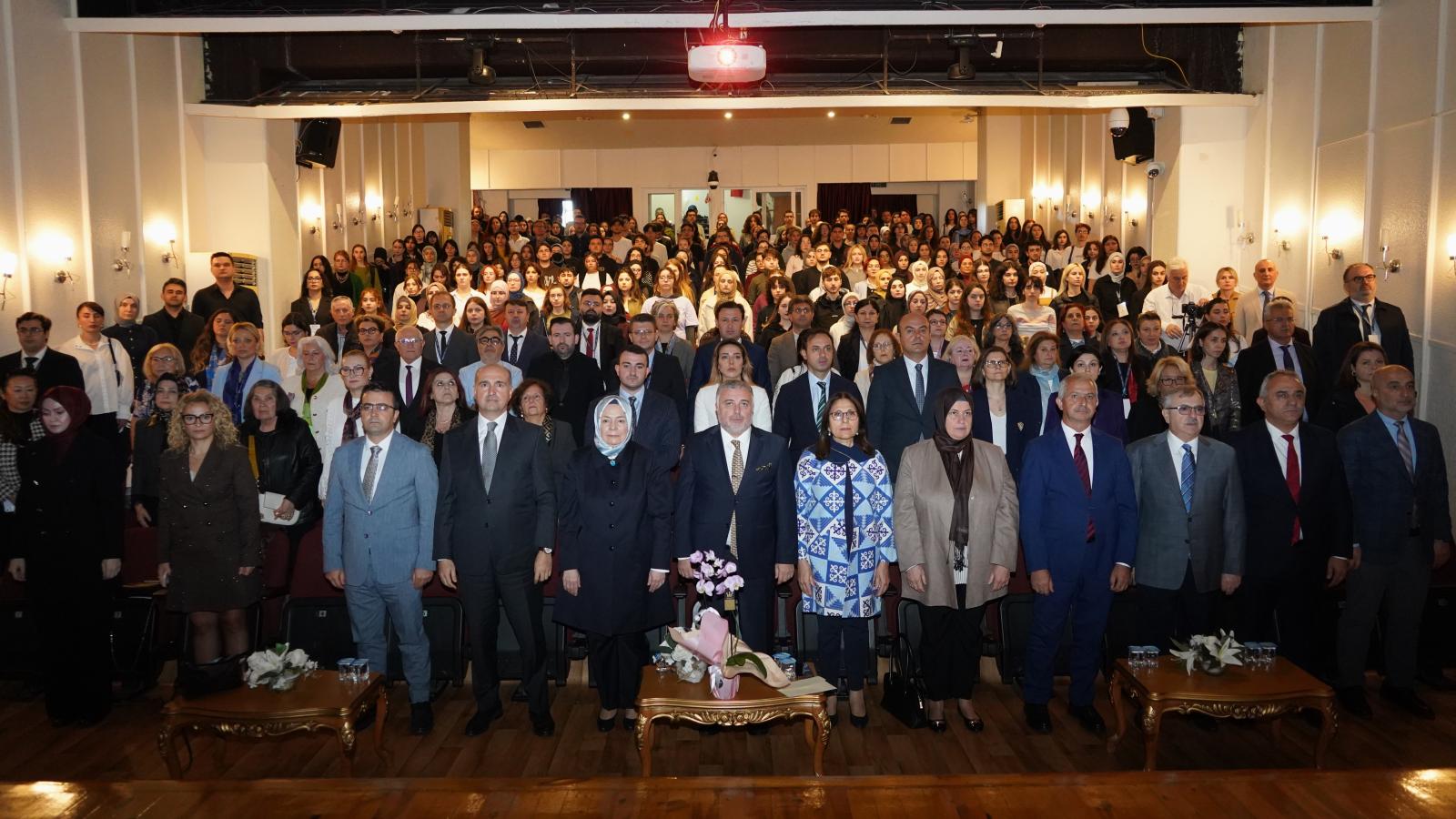
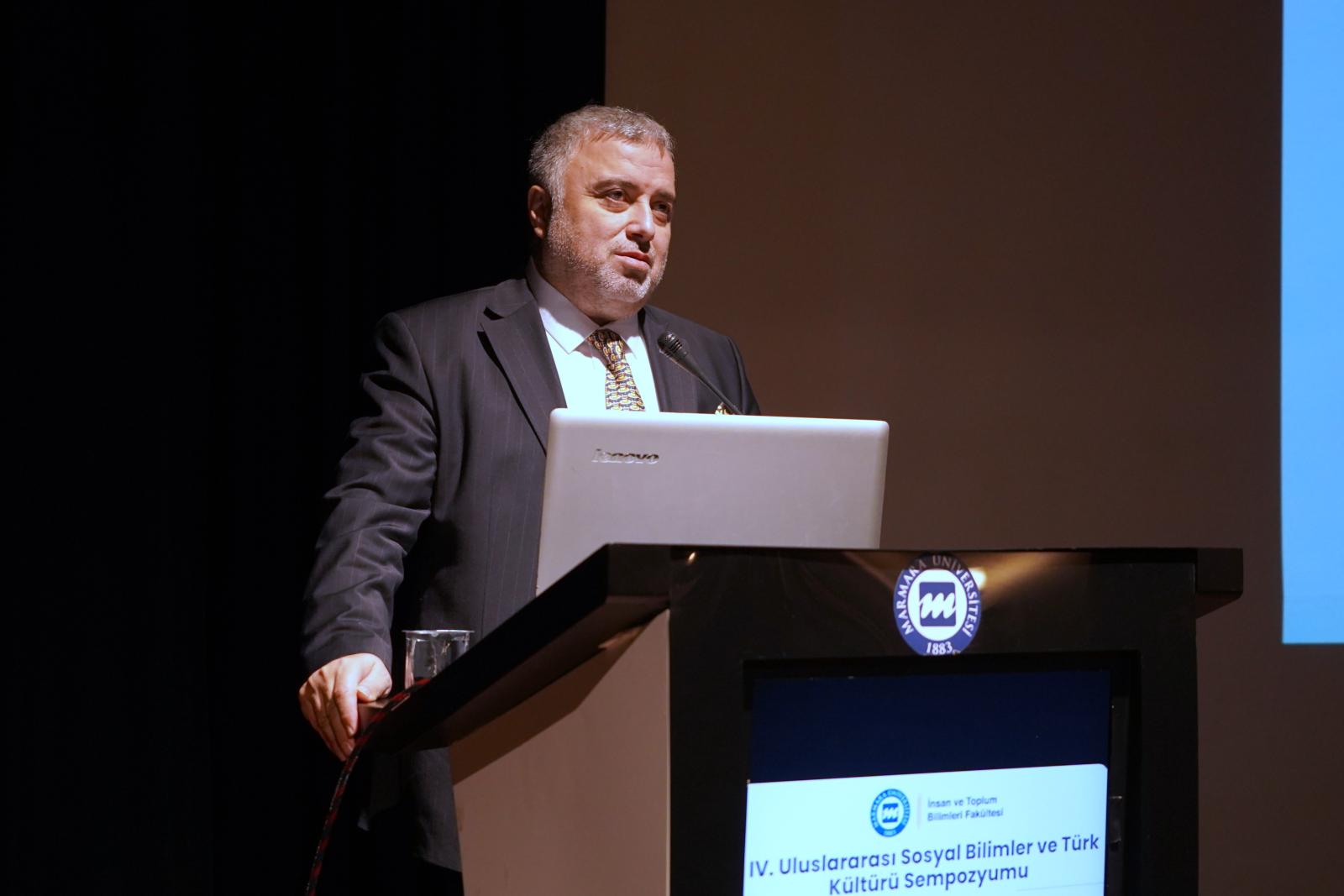
Held from 21 to 23 October, the symposium’s opening ceremony took place at the Dr. İbrahim Üzümcü Conference Hall on the Göztepe Campus. The symposium will explore different dimensions of cultural heritage from scientific and artistic perspectives. The opening ceremony was attended by Deputy Minister of National Education Assoc. Prof. Dr. Celile Eren Ökten, Marmara University Rector Prof. Dr. Mehmet Emin Okur, President of the Directorate of National Palaces Dr. Yasin Yıldız and Dean of the Faculty of Humanities and Social Sciences and Chair of the Organizing Committee Prof. Dr. Sebahat Deniz as well as numerous academics, researchers, and students from Türkiye and abroad.
Rector Prof. Dr. Okur: “We Should Draw Inspiration from Our Own Values”
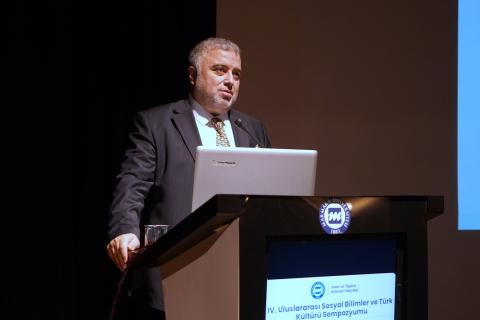
Marmara University Rector Prof. Dr. Mehmet Emin Okur expressed his pleasure at the strong interest in the event and the support provided by participating institutions, stating, “These events are a perfect fit for Marmara University.”
Emphasizing that Turkish culture should not be considered solely within the geographical boundaries of Anatolia, Rector Okur underlined that thousands of years of historical heritage form the foundation of a vision for the future. Highlighting the importance of the values embodied in Turkish culture, Prof. Dr. Okur stated, “The deeper your mission, the broader your vision.”
Noting that Anatolia has historically served as a cultural hub connecting different geographical regions, Rector Okur explained that traditional clothing and dress reflect the lived experiences, struggles, and cultural heritage of these lands. Prof. Okur further emphasized the need to act by drawing lessons from the wisdom of the past.
Traditional Dress Carries Cultural Memory into the Future
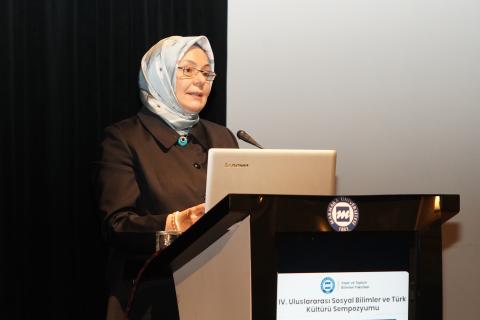
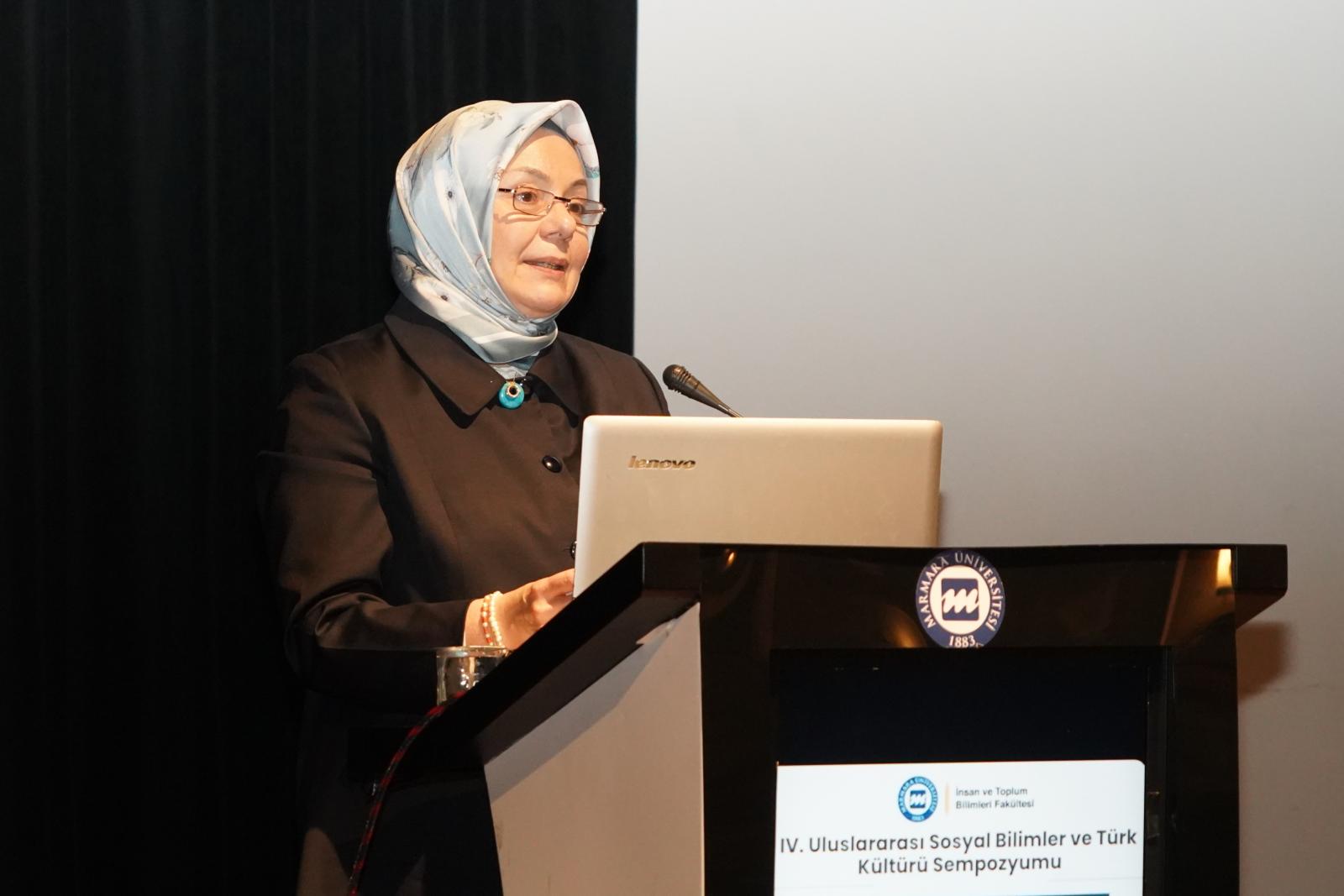
In her address titled “The Place of Clothing and Dress in Cultural Memory and the Maturation Institutes,” Deputy Minister of National Education Assoc. Prof. Dr. Celile Eren Ökten highlighted the importance of traditional clothing as an integral part of cultural heritage and its transmission across generations.
Stating that traditional garments are more than simply items of clothing, Assoc. Prof. Dr. Ökten noted that they reflect the aesthetic sensibilities, craftsmanship, and historical heritage of the regions in which they are produced. She explained that maturation institutes help carry this heritage into the future through research, documentation, production, and design.
Referring to initiatives such as the Türkiye Weaving Atlas, Deputy Minister Ökten emphasized that traditional handicrafts are being introduced to international platforms through innovative designs. She also thanked everyone contributing to the preservation of cultural heritage.
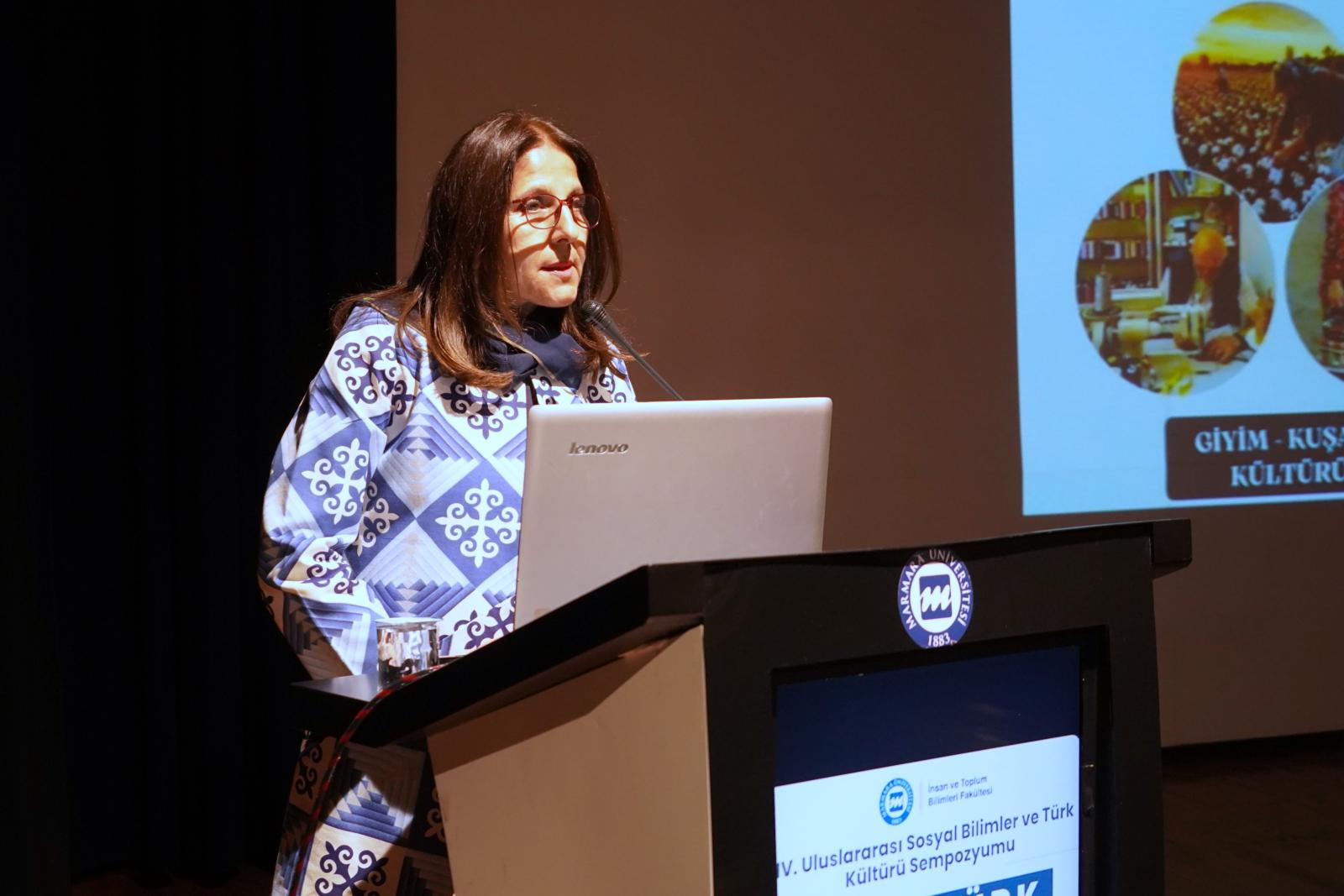
Prof. Dr. Deniz: “Dress Is a Multilayered Memory Reflecting the Identity of Societies”
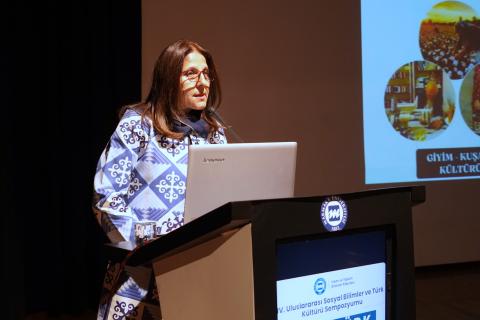
In her opening address, Dean of the Faculty of Humanities and Social Sciences and Chair of the Organizing Committee Prof. Dr. Sebahat Deniz emphasized that clothing is not merely a necessity but a multilayered form of cultural memory reflecting the identity, beliefs, and aesthetic sensibilities of societies.
Drawing attention to the shared responsibility of researching the rich heritage of Turkish culture, which extends from Central Asia to the present day, through scientific methods and passing it on to future generations, Prof. Dr. Deniz noted that the symposium provides an important platform for bringing traditional heritage together with contemporary design in an increasingly globalized world.
Ottoman Court Costumes Reflect Historical and Cultural Legacy
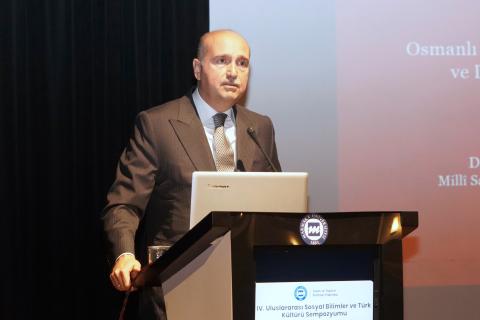
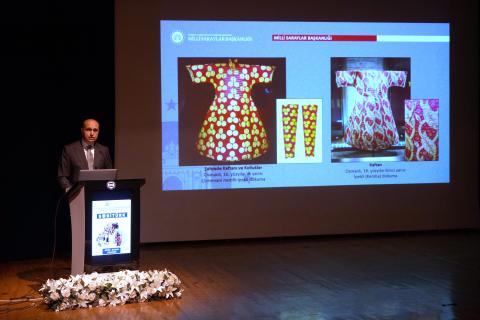
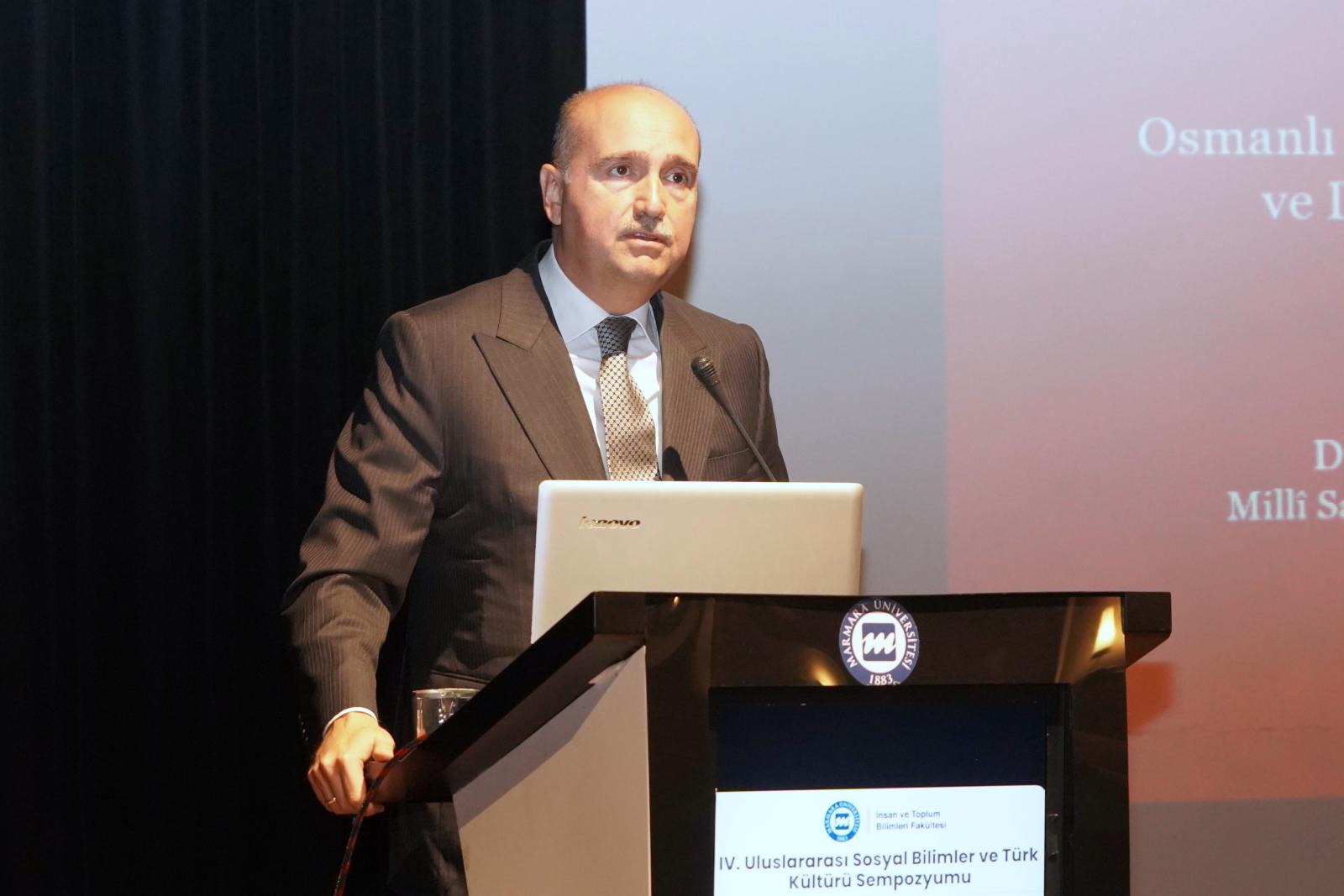
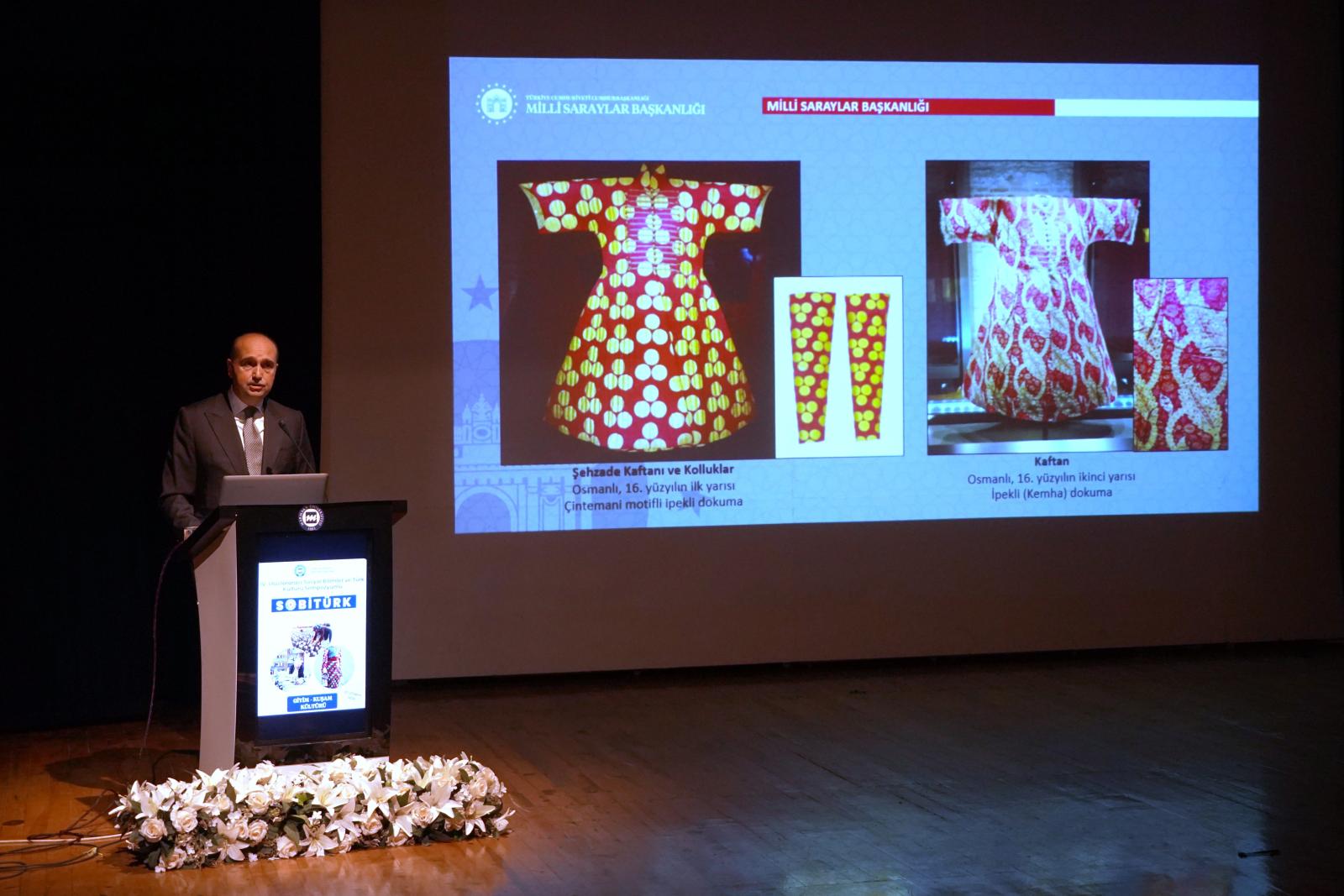
Dr. Yasin Yıldız, President of the National Palaces Administration, shared detailed insights into the historical and cultural significance of royal attire during his presentation titled "The Imperial Wardrobe Collection of the National Palaces."
Noting that Ottoman court garments represent a long-standing tradition dating back to the 15th century, Dr. Yıldız explained that the collection includes not only sultans’ kaftans but also garments belonging to female members of the imperial family, valide sultans (queen mothers), and princes.
He highlighted that the fabrics, patterns, motifs, and craftsmanship of these caftans reflect the artistic vision and cultural transformation of their respective eras, emphasizing the crucial importance of conserving this collection for future generations.
A Rich Three-Day Programme
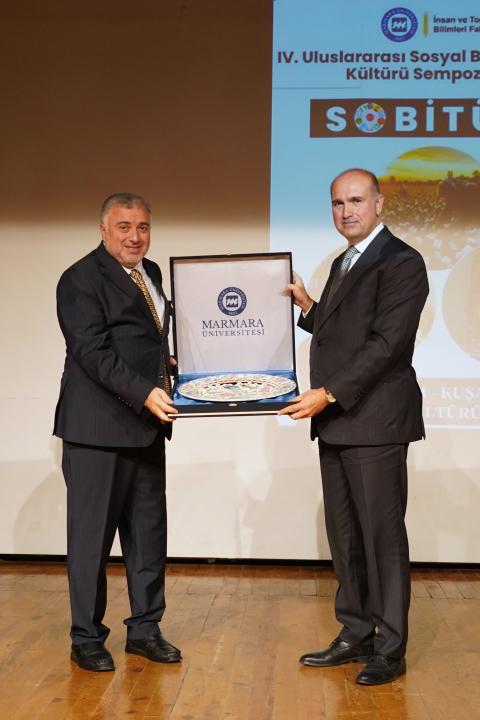
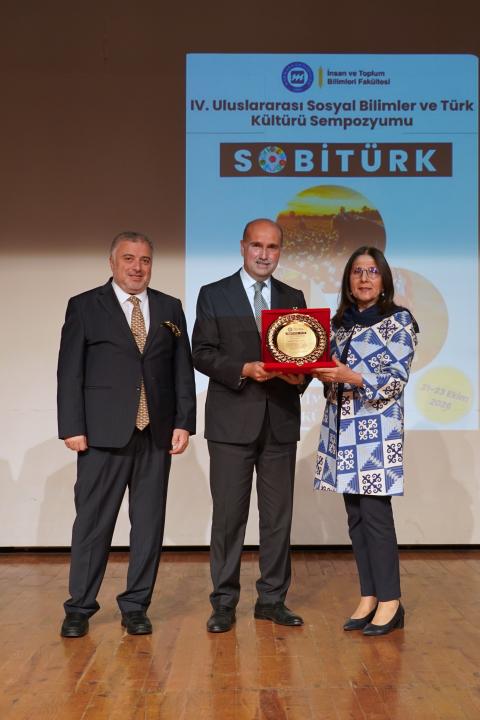
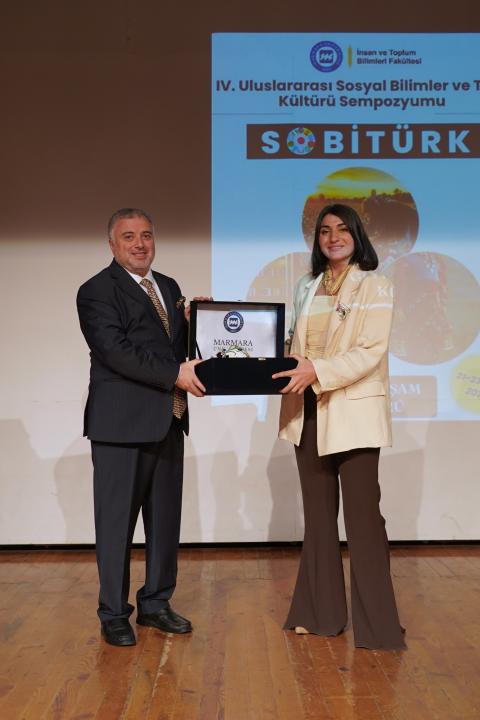
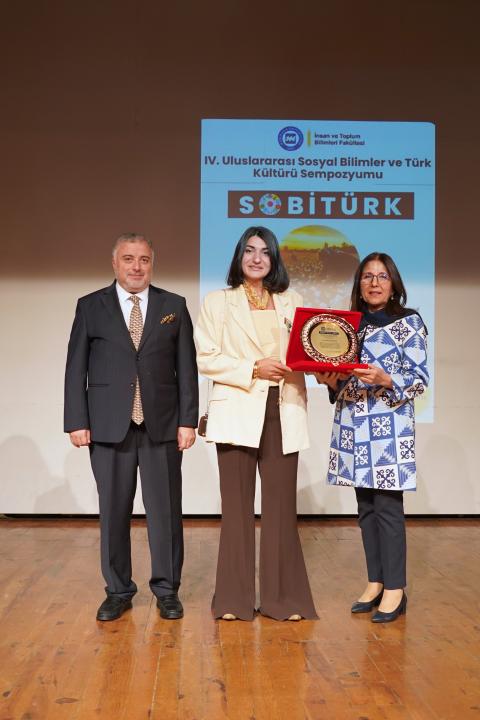
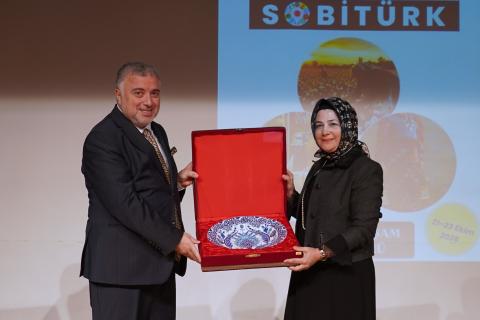
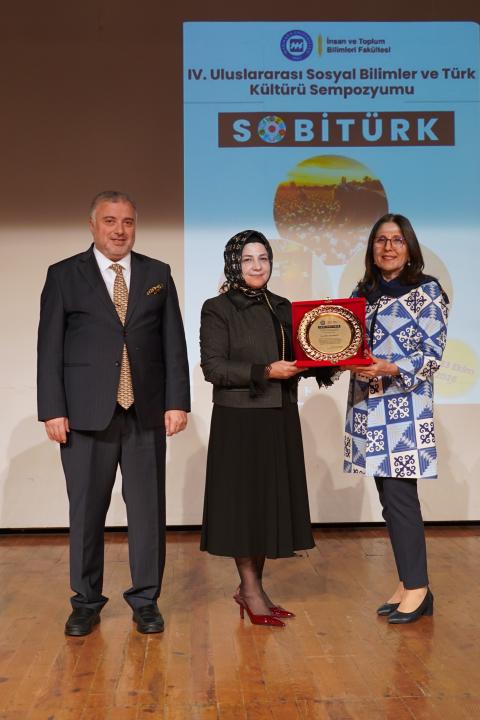
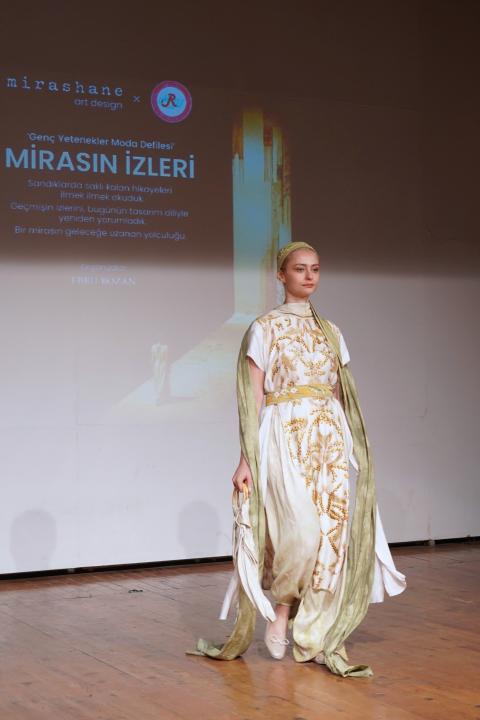
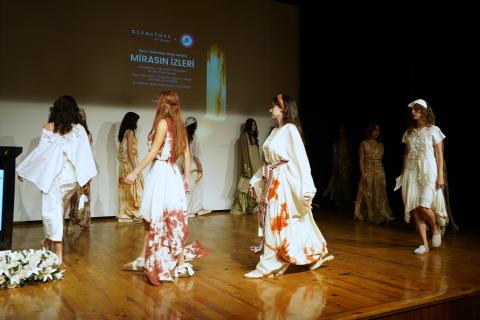
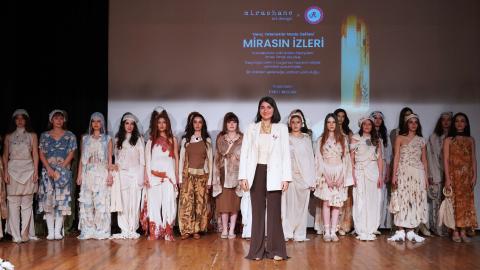
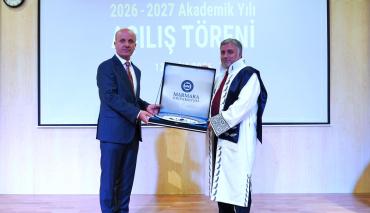
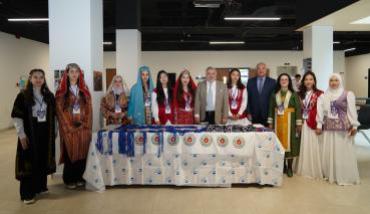
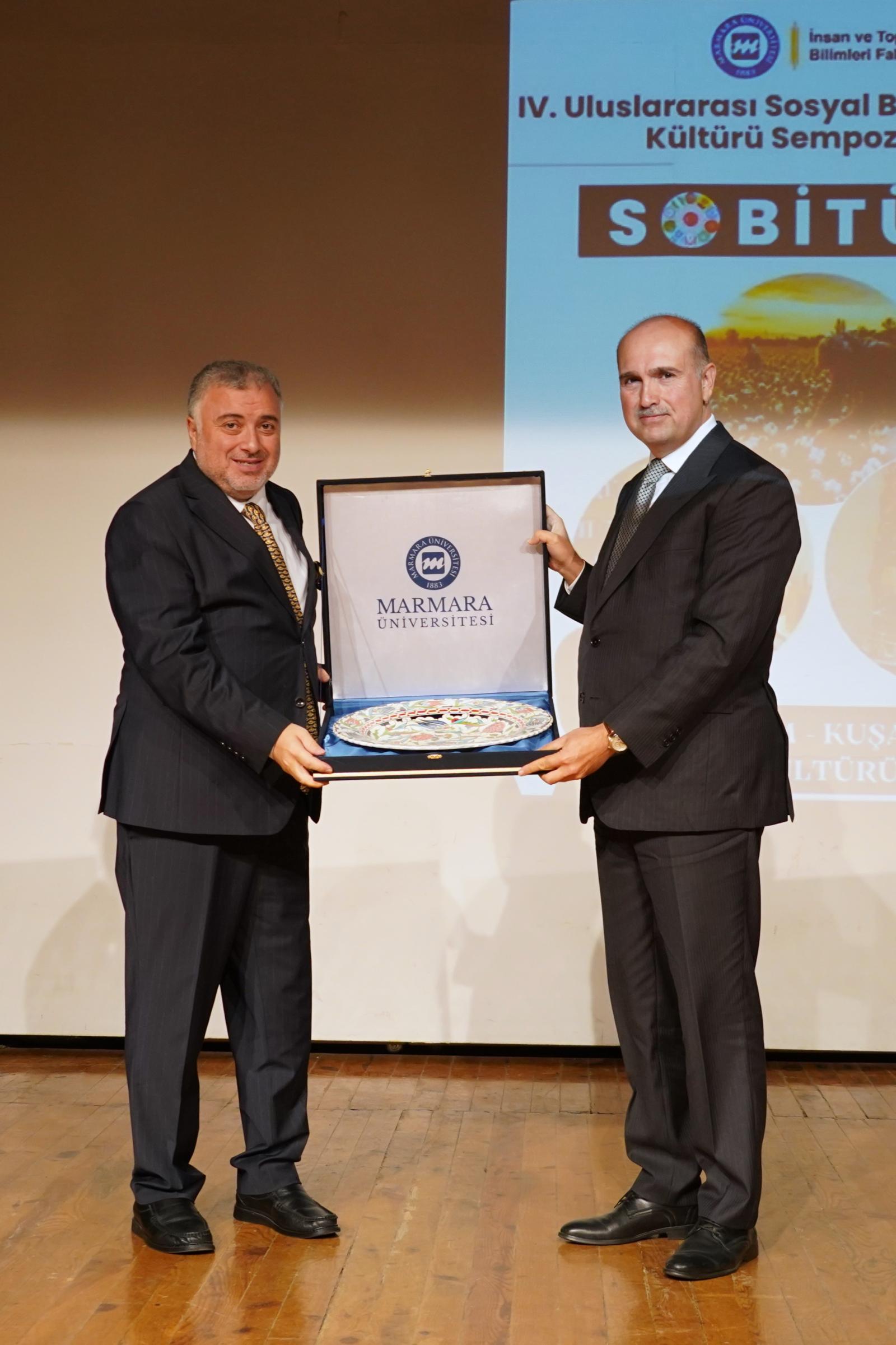
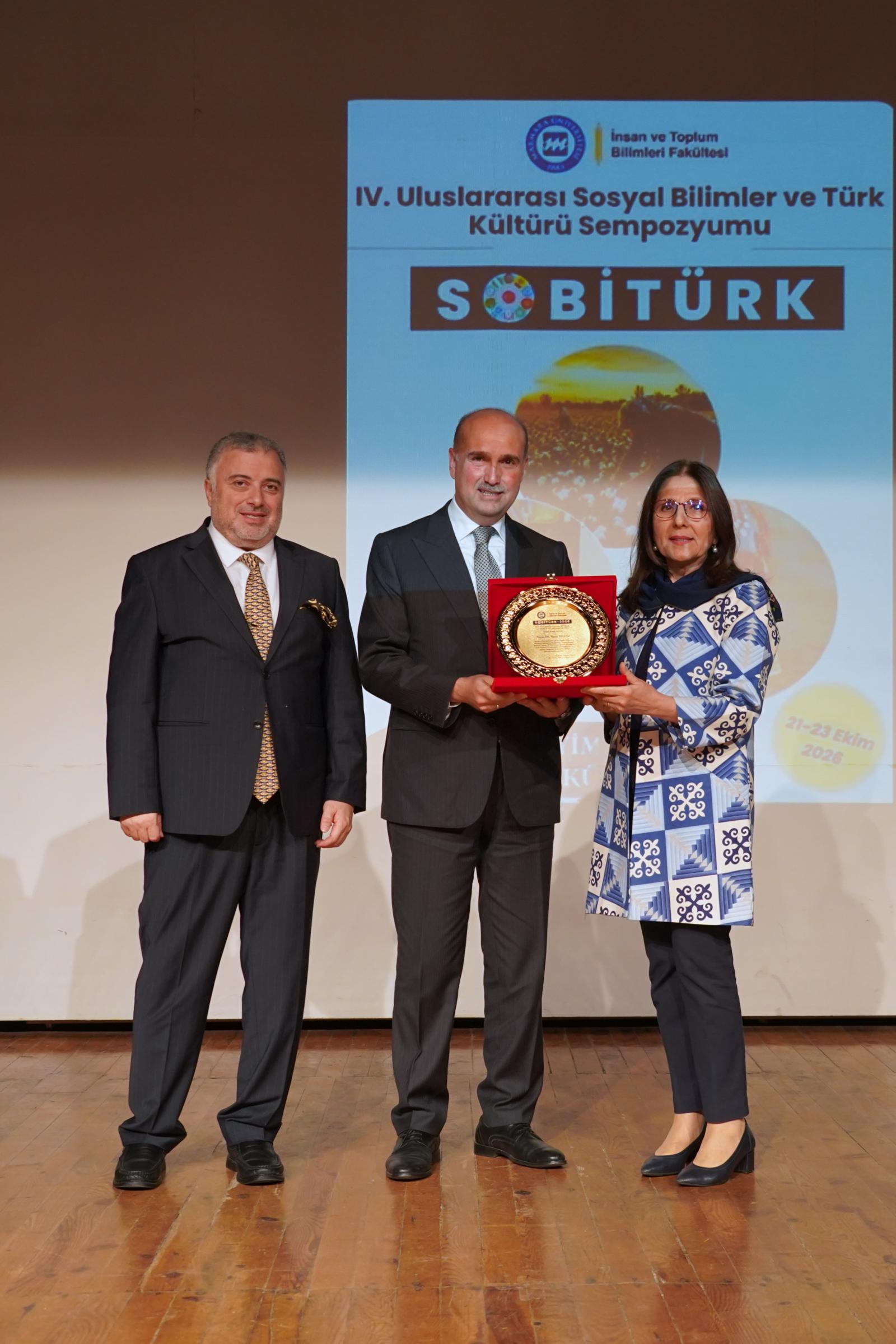
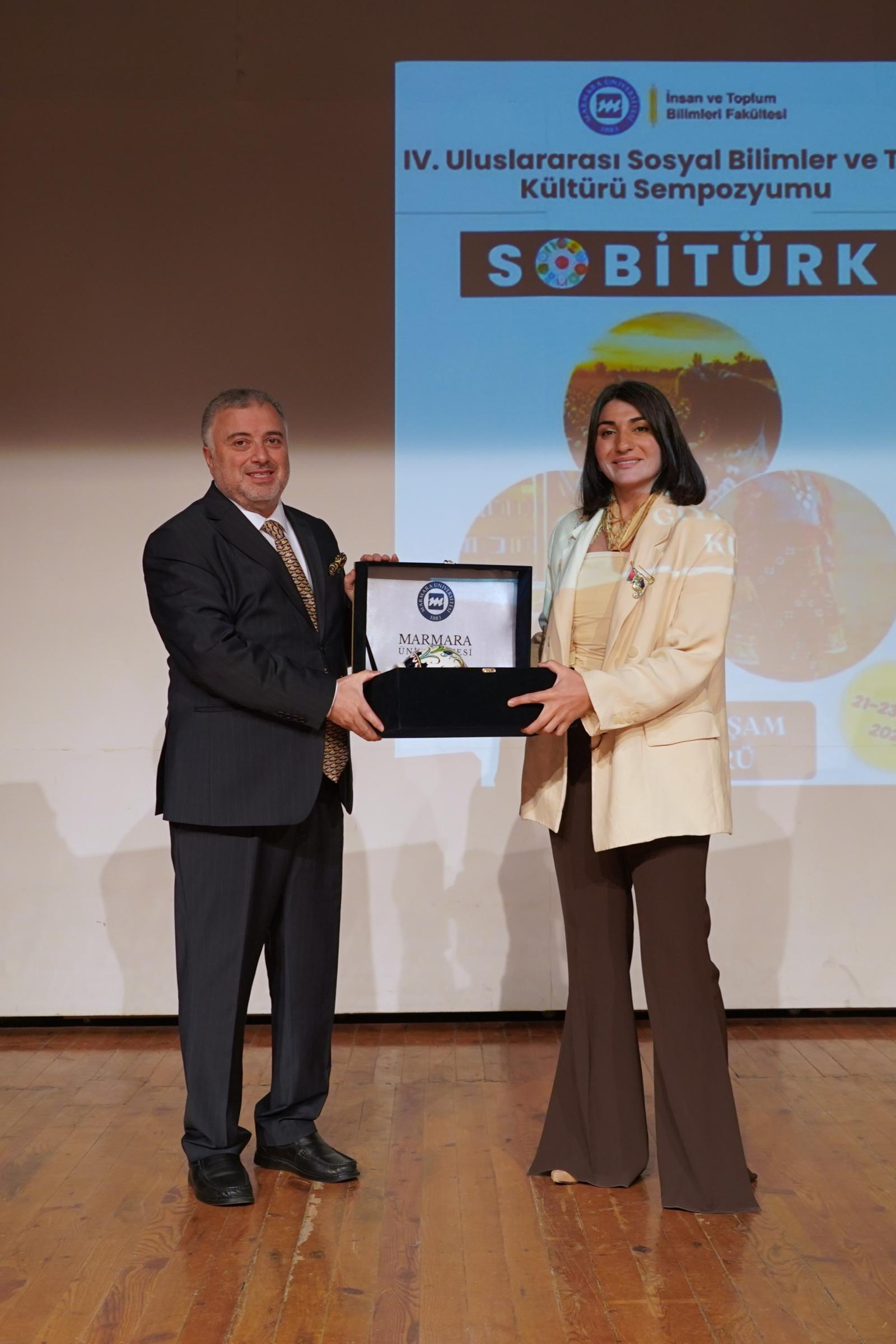
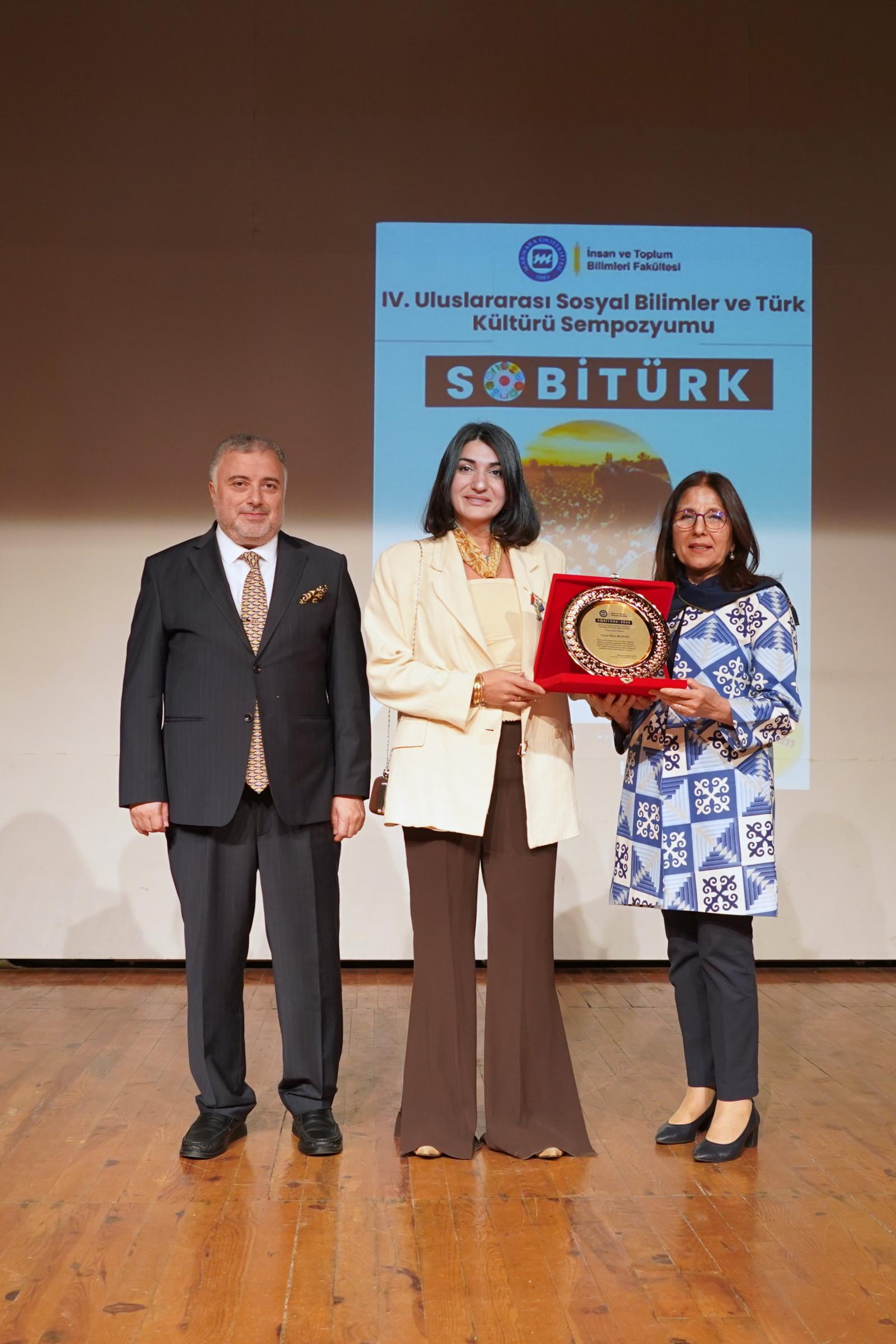
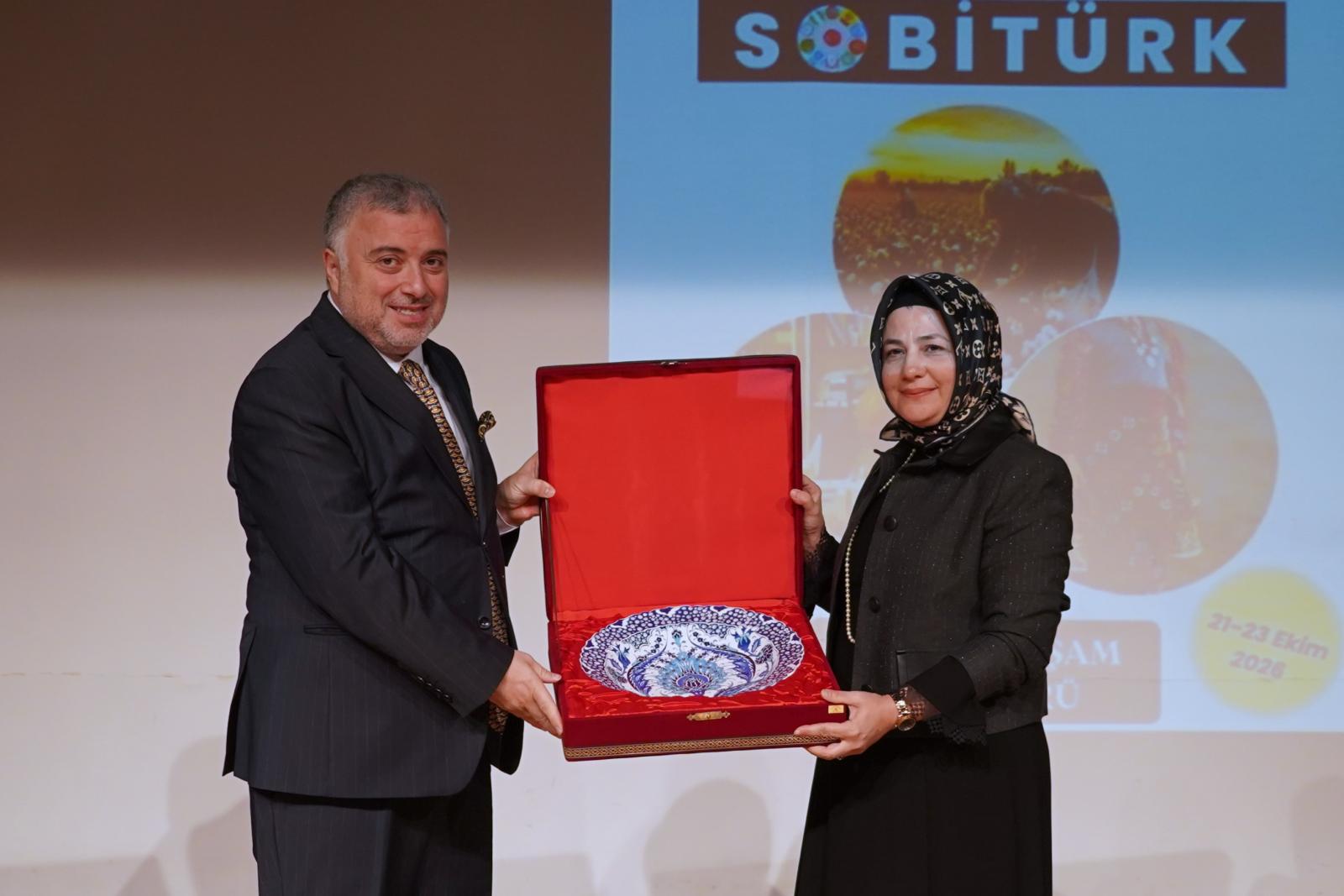
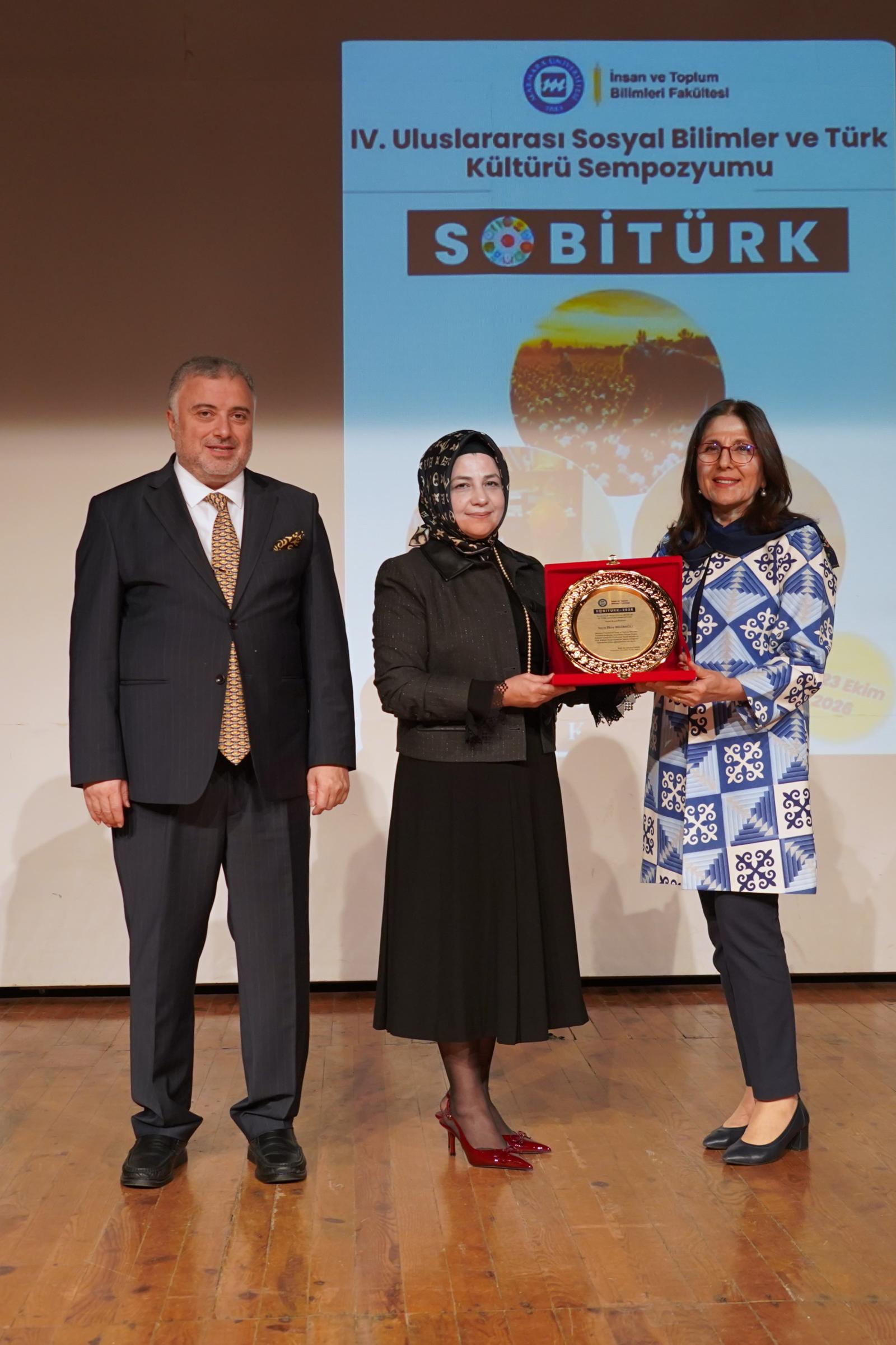
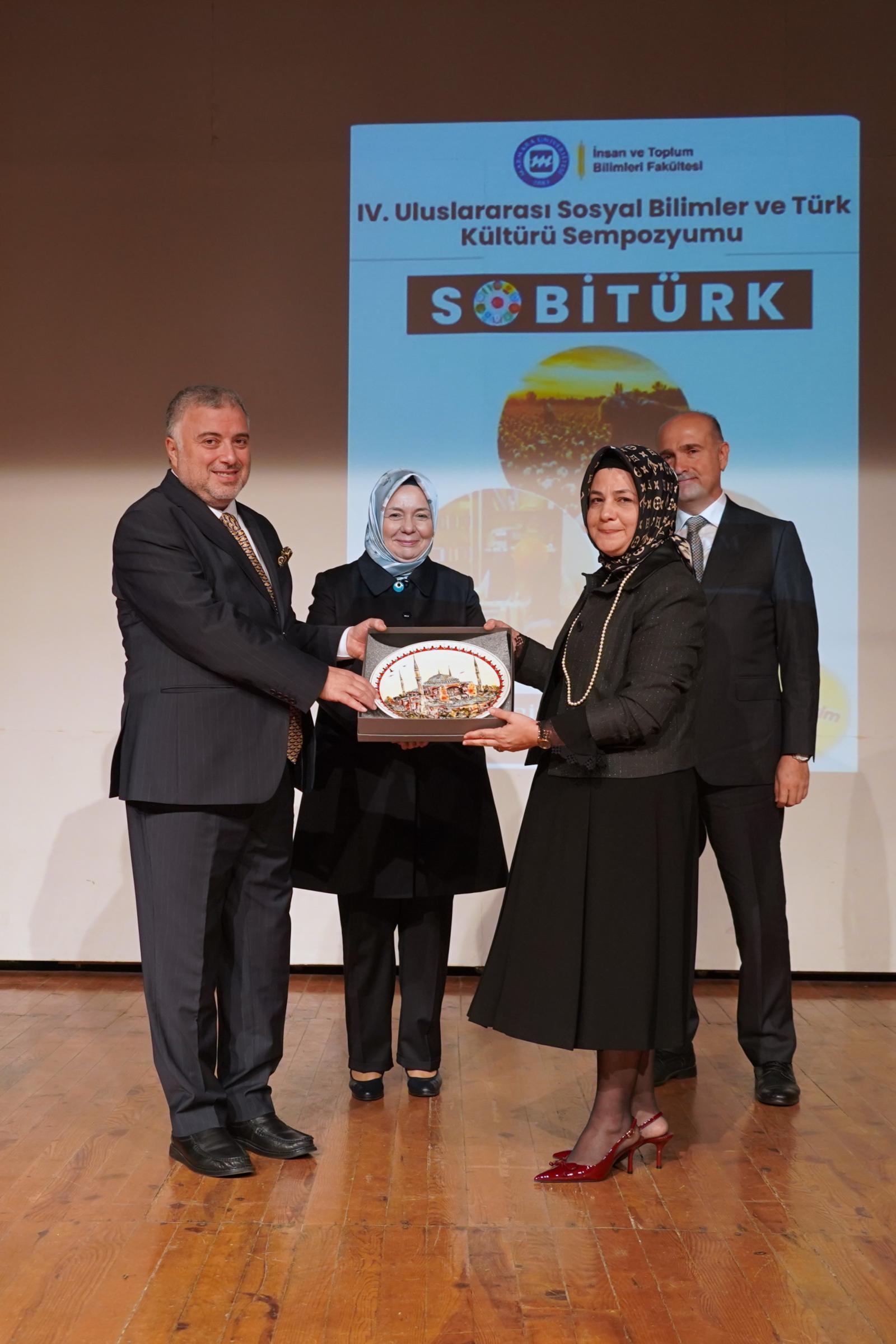
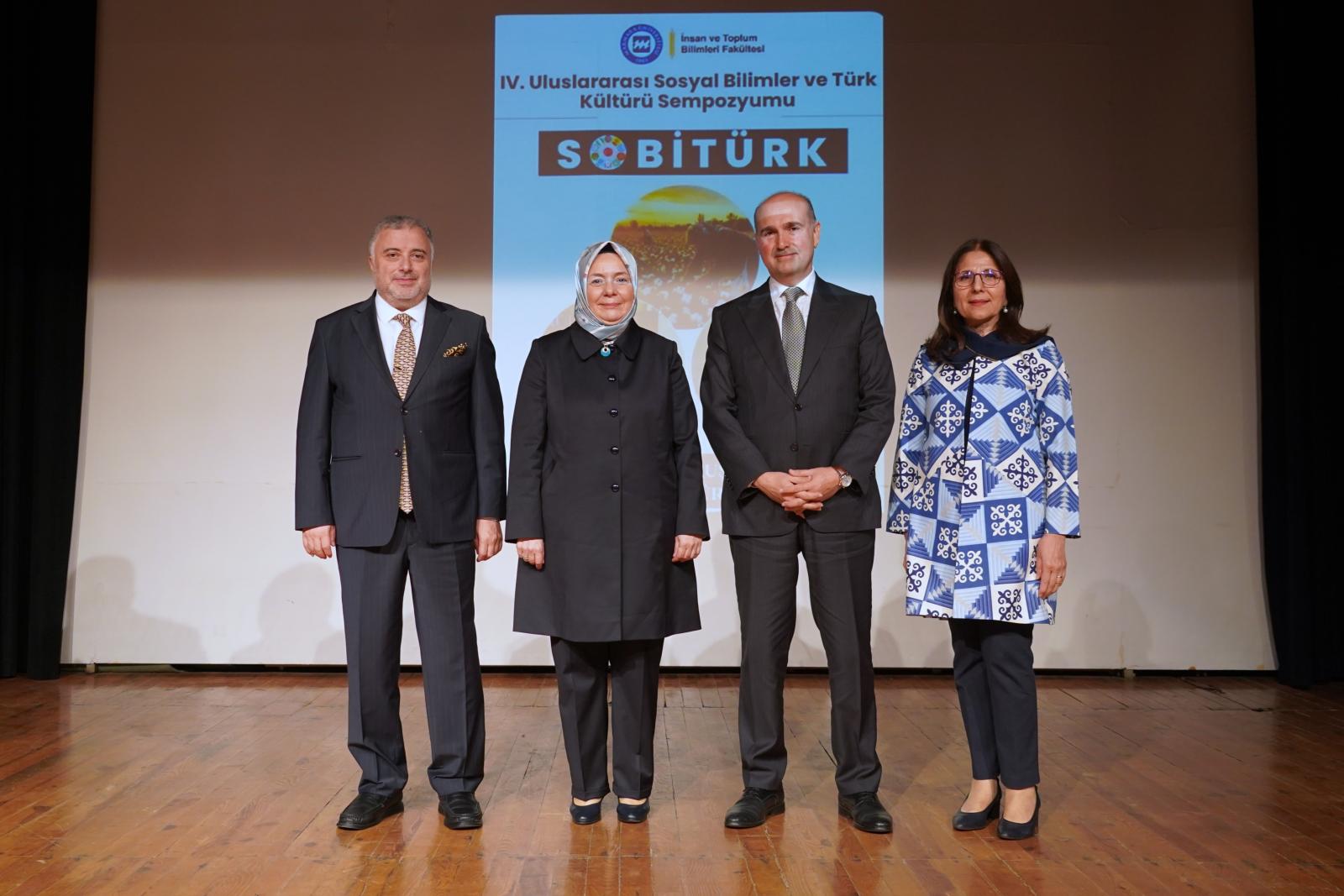
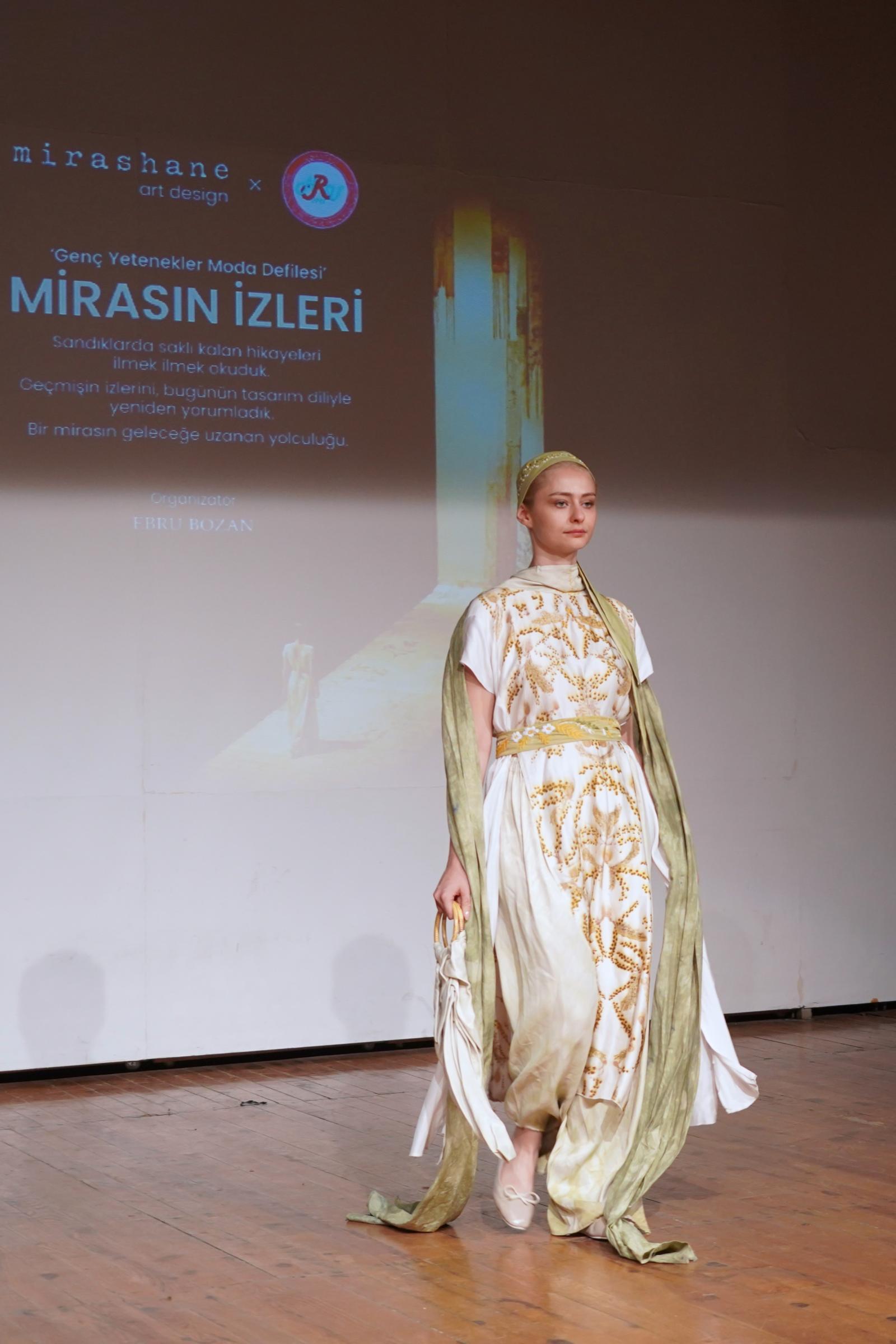
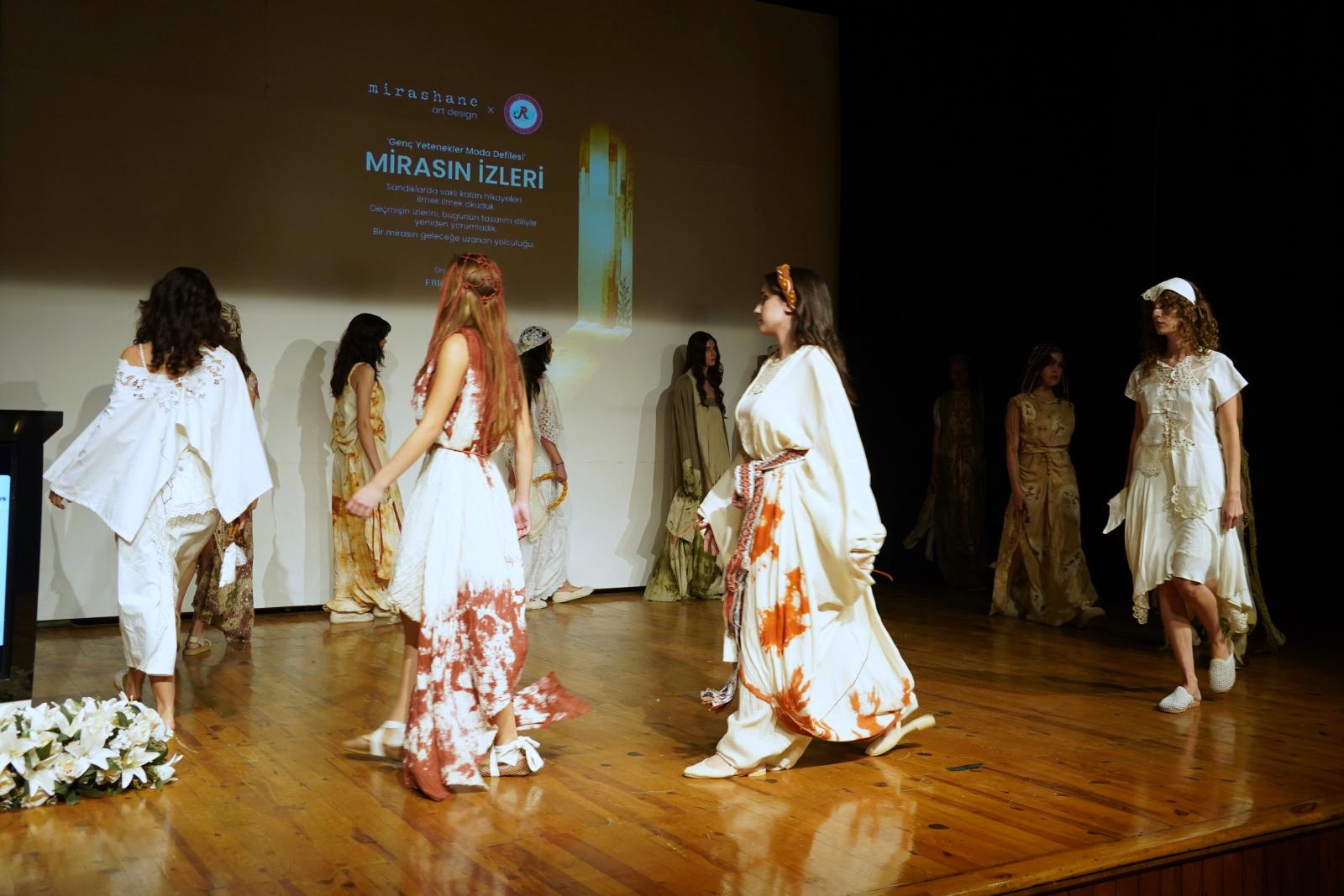
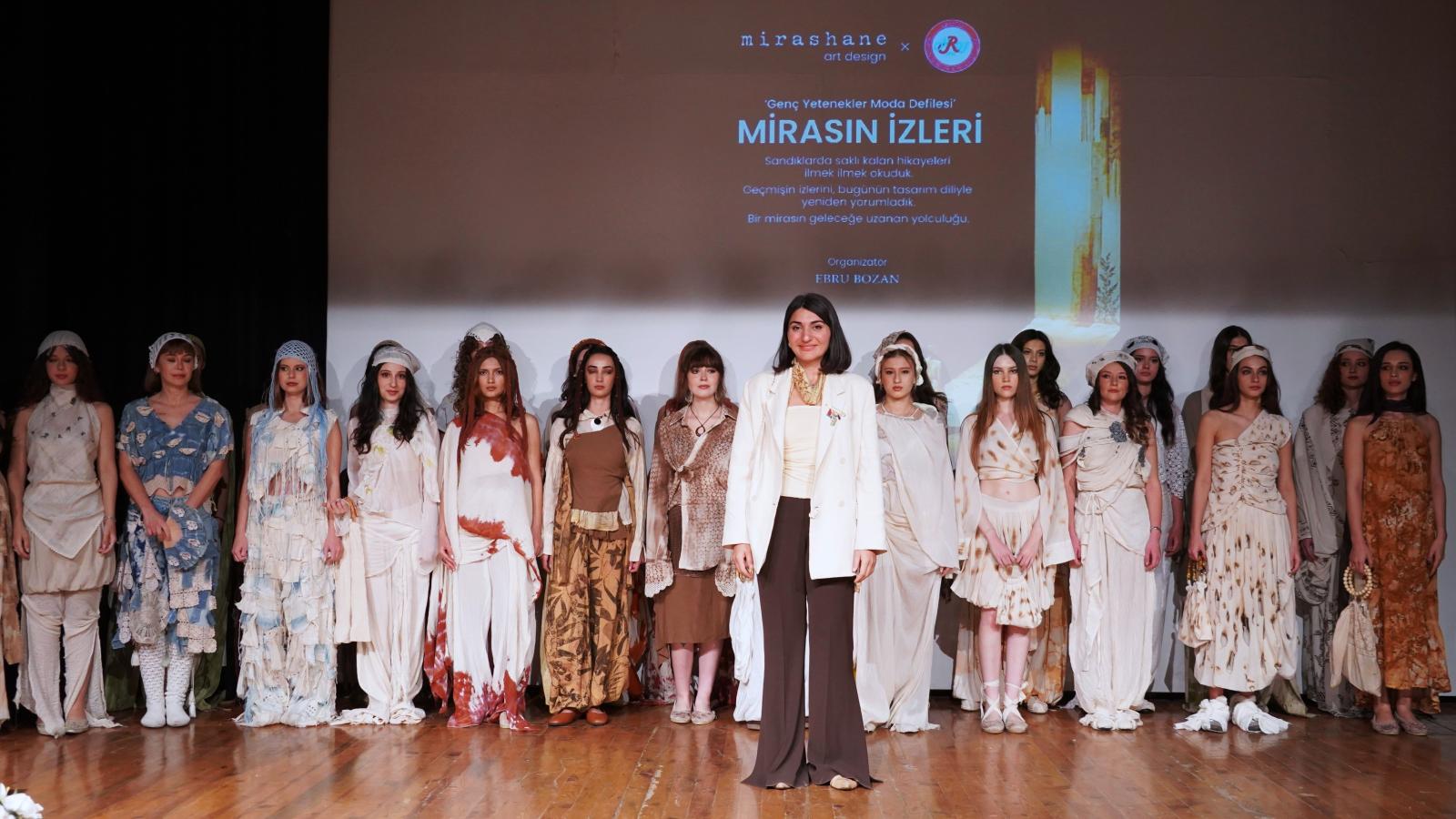
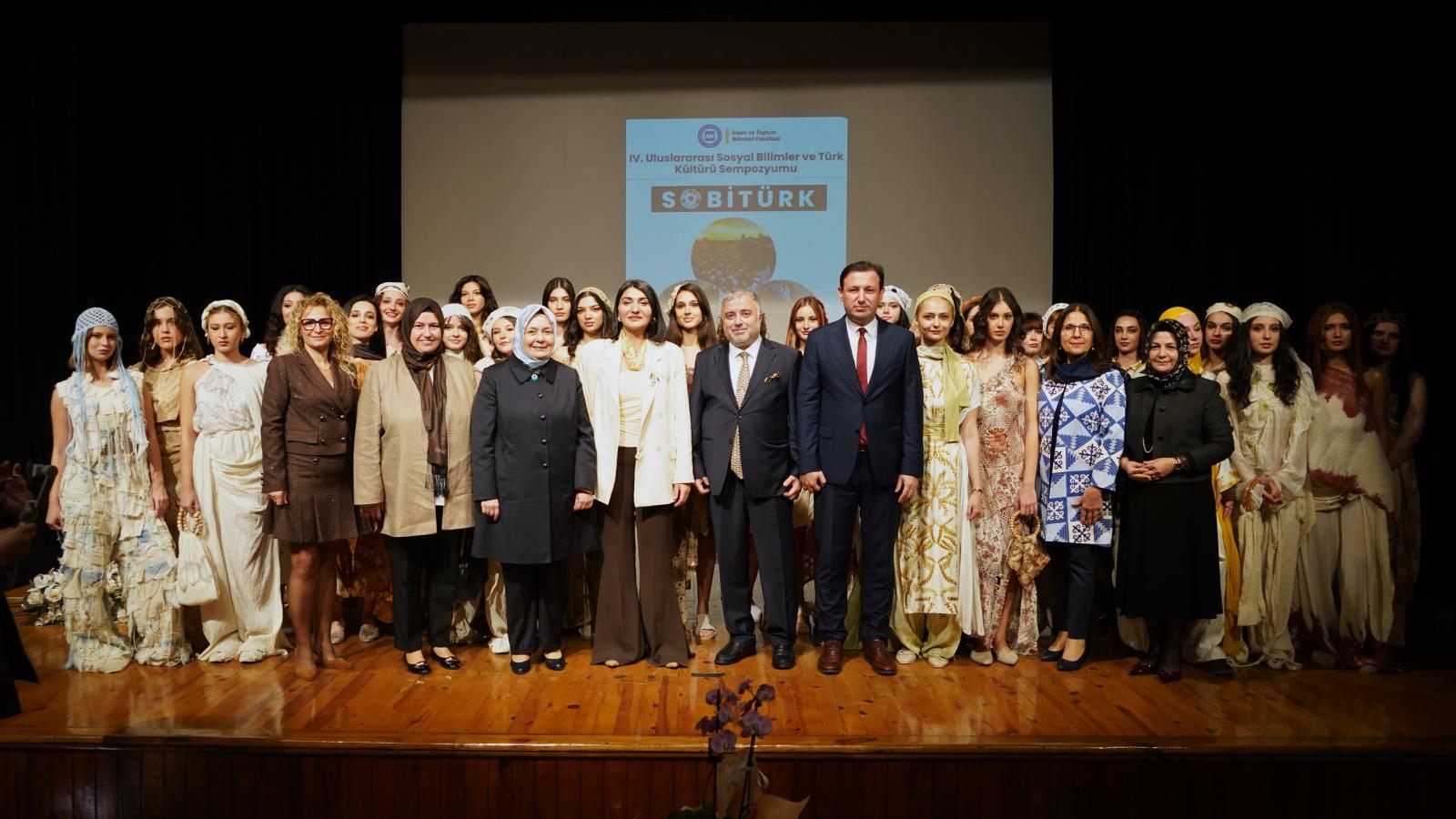
Following the opening speeches, a fashion show titled "Traces of Heritage" (Mirasın İzleri), curated by Ebru Bozan – Mirashane Fashion Design Studio, was presented to the audience. The ceremony concluded with the presentation of commemorative gifts to the guests and a group photograph.
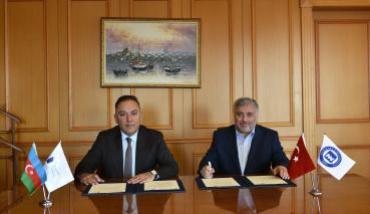
Organized with contributions from the Ministry of National Education, the Directorate of National Palaces, Sabancı Maturation Institute, and Mirashane Fashion Design Atelier, the symposium will continue to explore different aspects of Turkish clothing and dress culture through academic sessions, workshops, and artistic events.
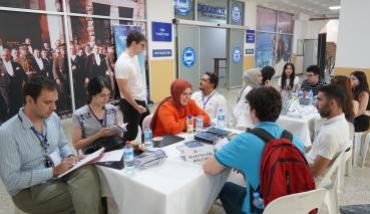
Throughout the three-day symposium, workshops and parallel academic sessions will be held. On the second day, sessions taking place in different halls will examine Turkish clothing and dress culture from both academic and artistic perspectives.
On the final day, the closing and evaluation session will be held at the Middle Gate Conference and Exhibition Hall of Topkapı Palace, hosted by the Directorate of National Palaces. The programme will conclude with a guided museum visit to Topkapı Palace for participants.