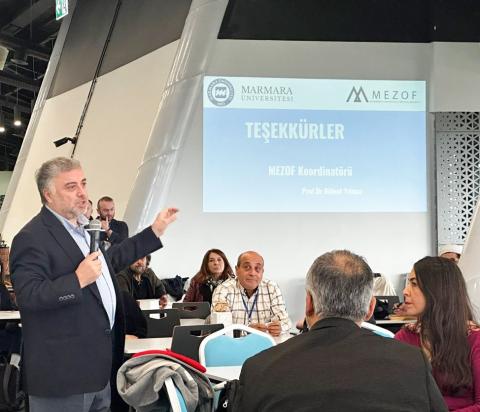
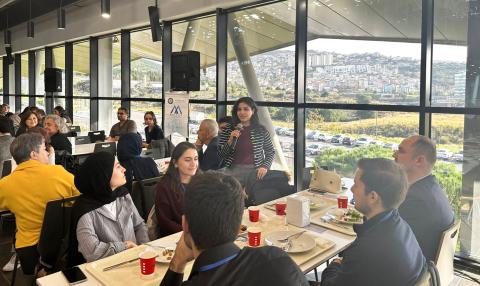
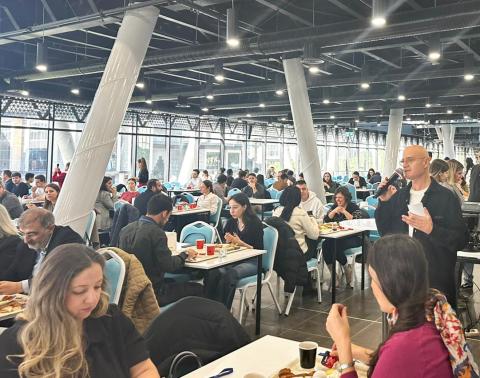
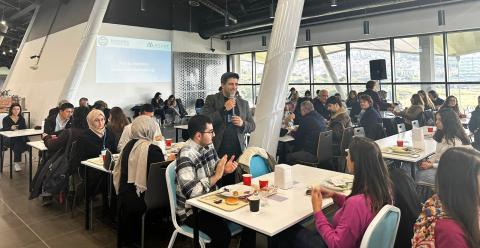
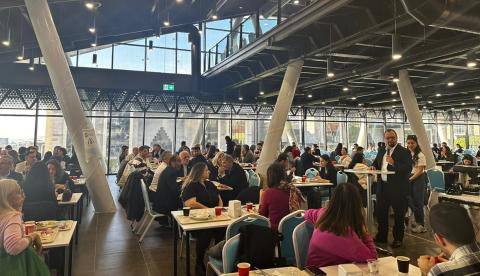
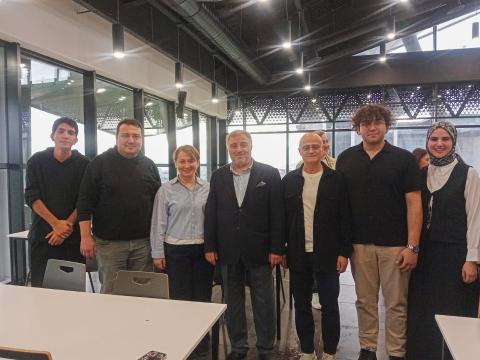
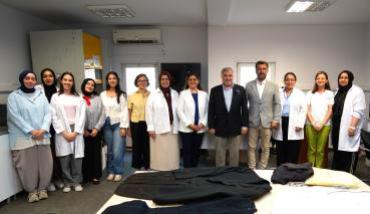
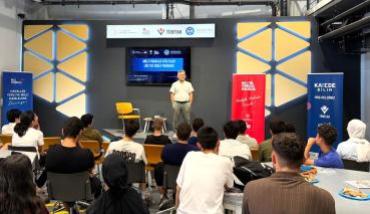
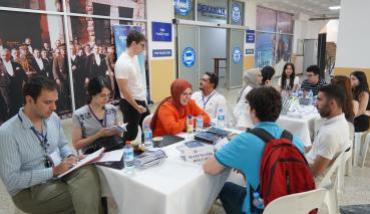
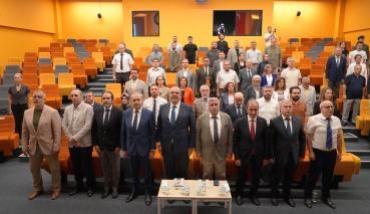
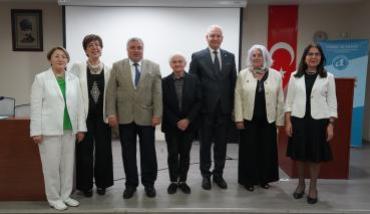
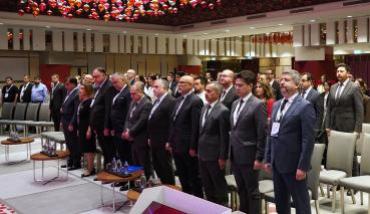
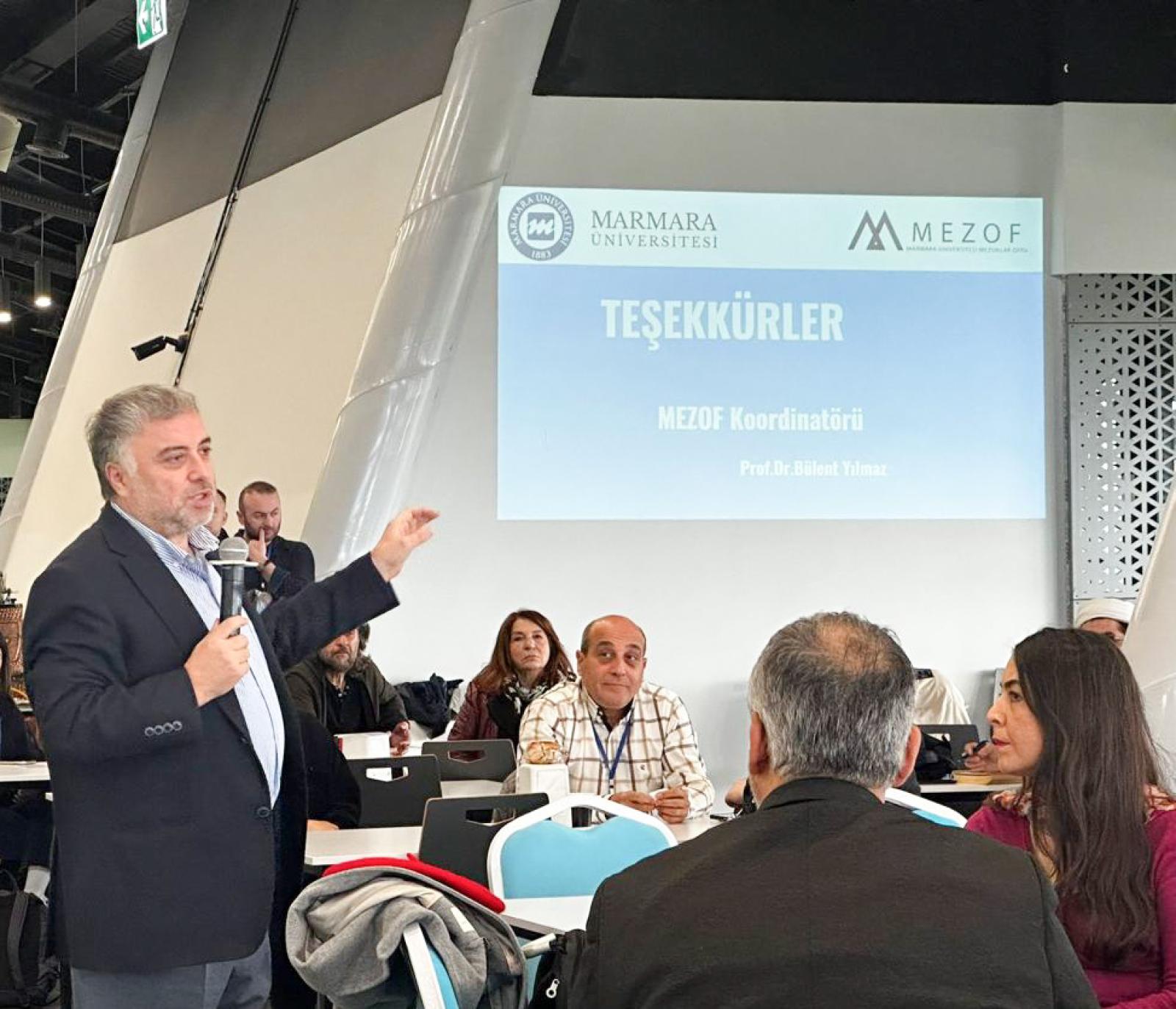
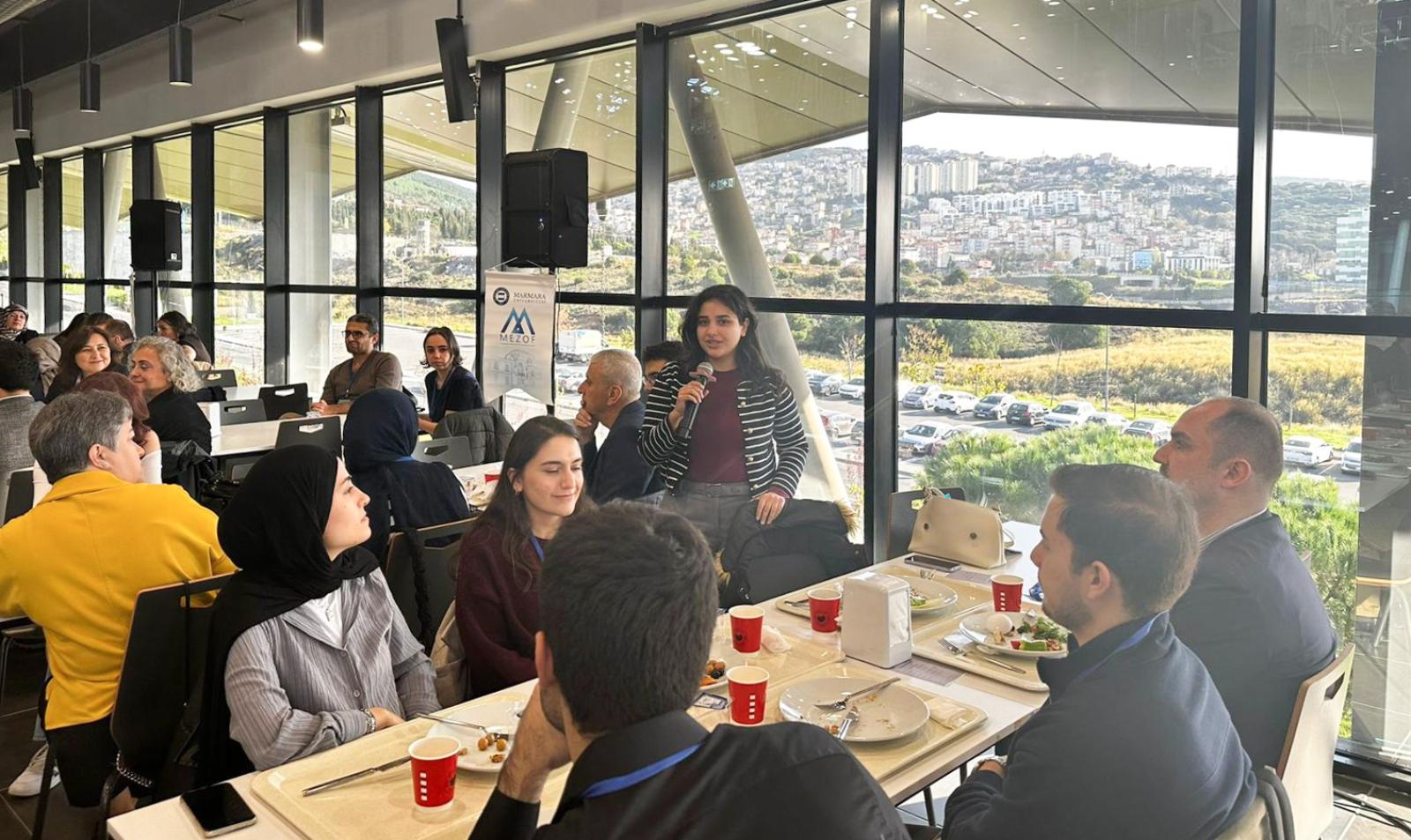
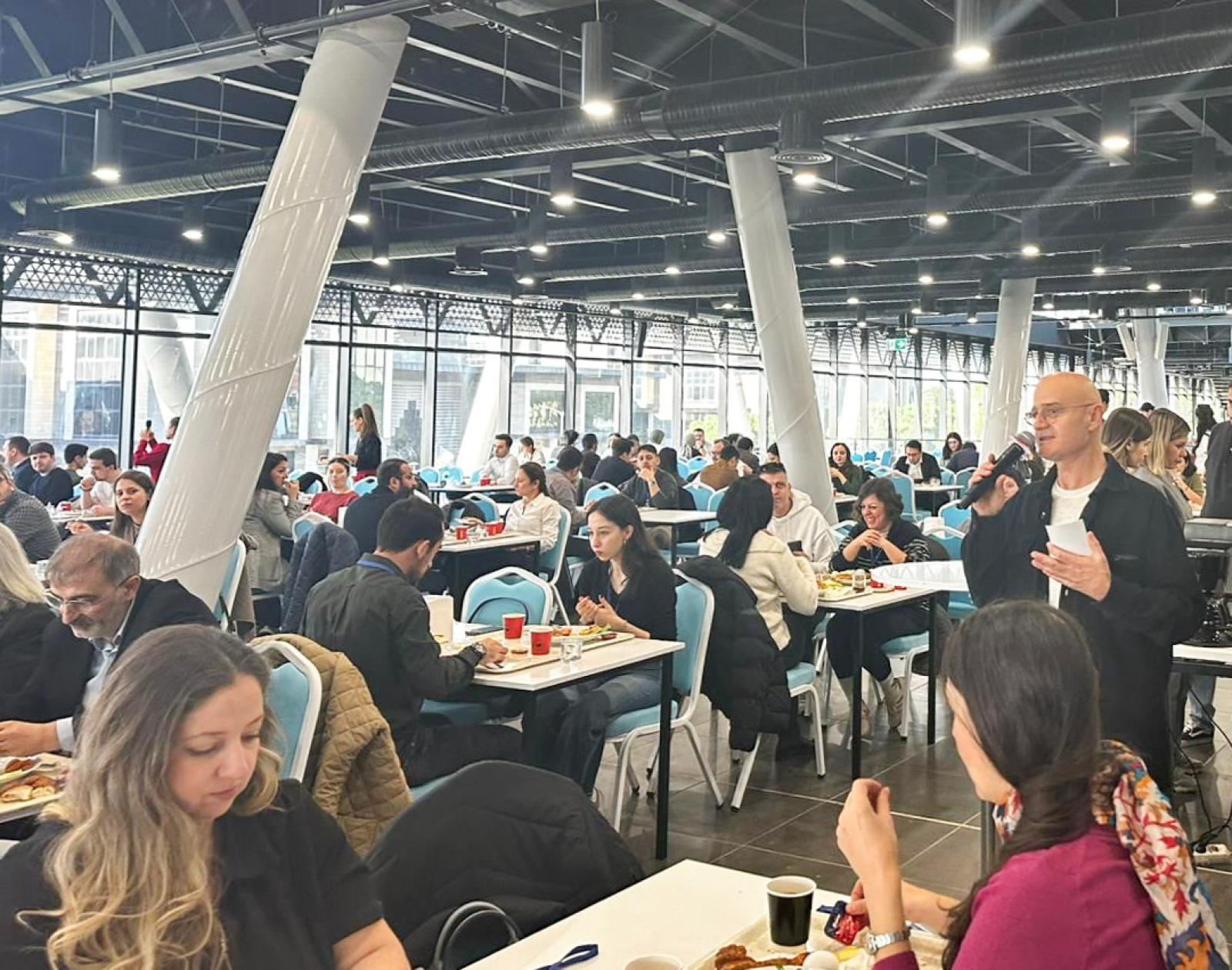
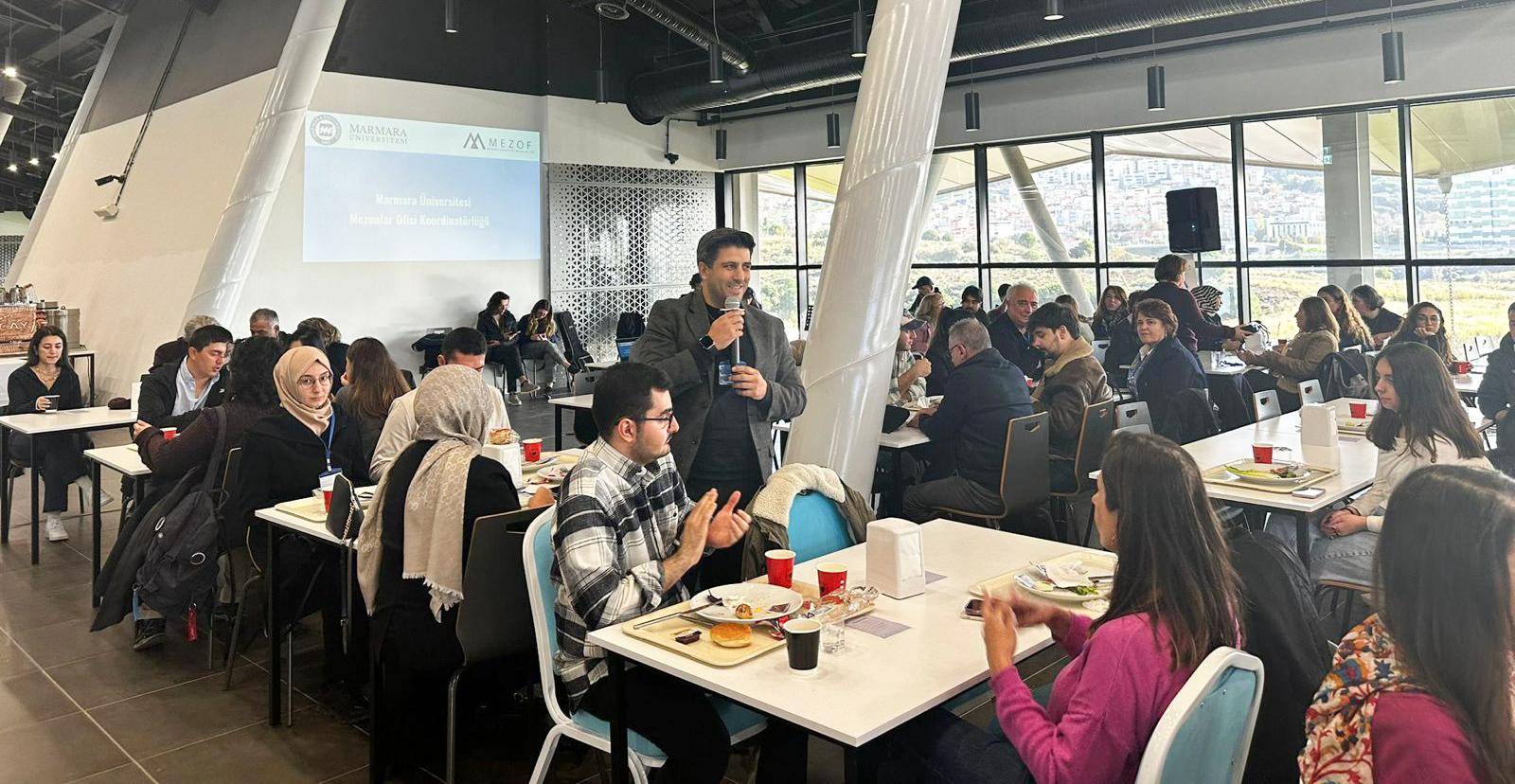
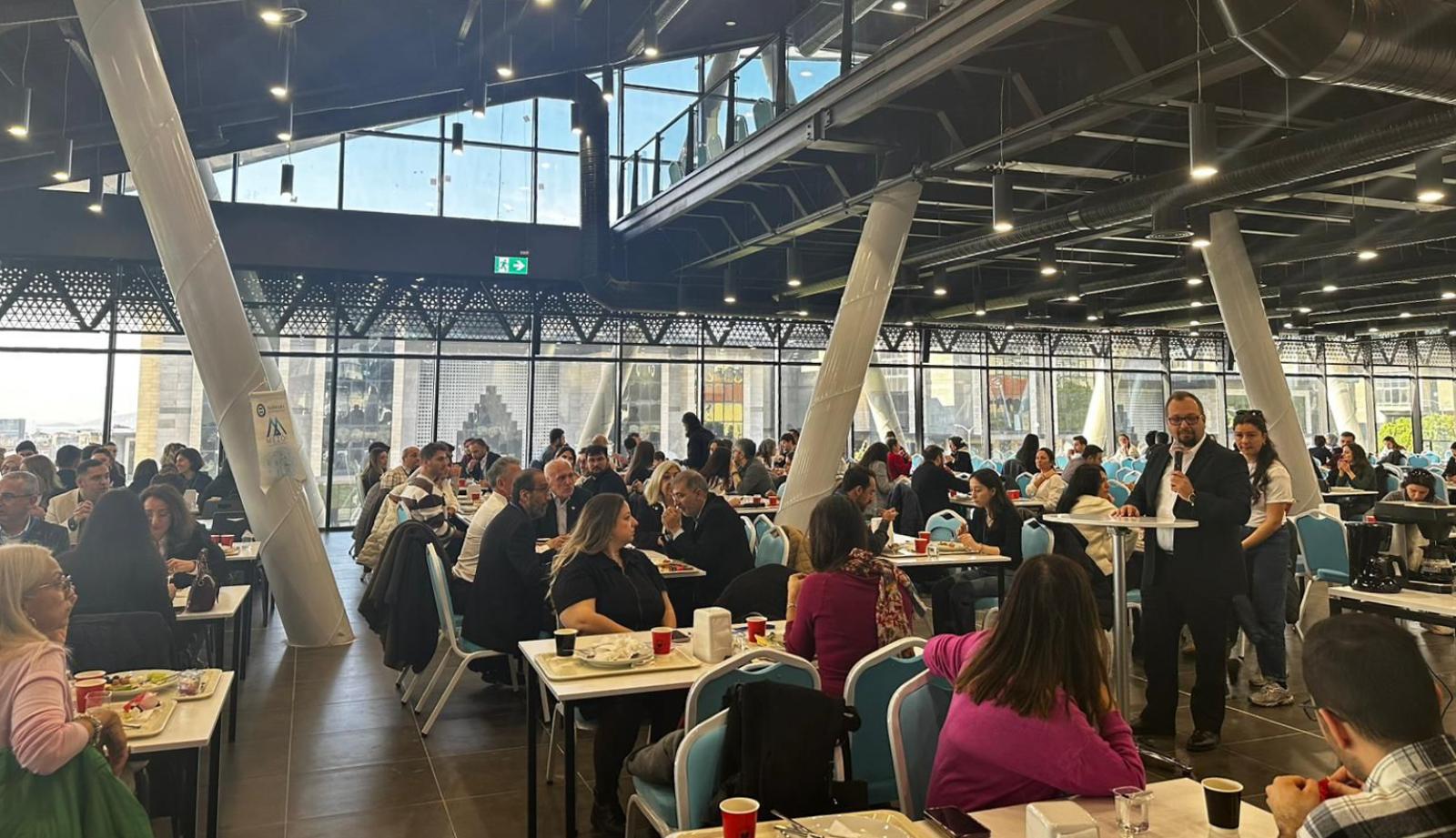
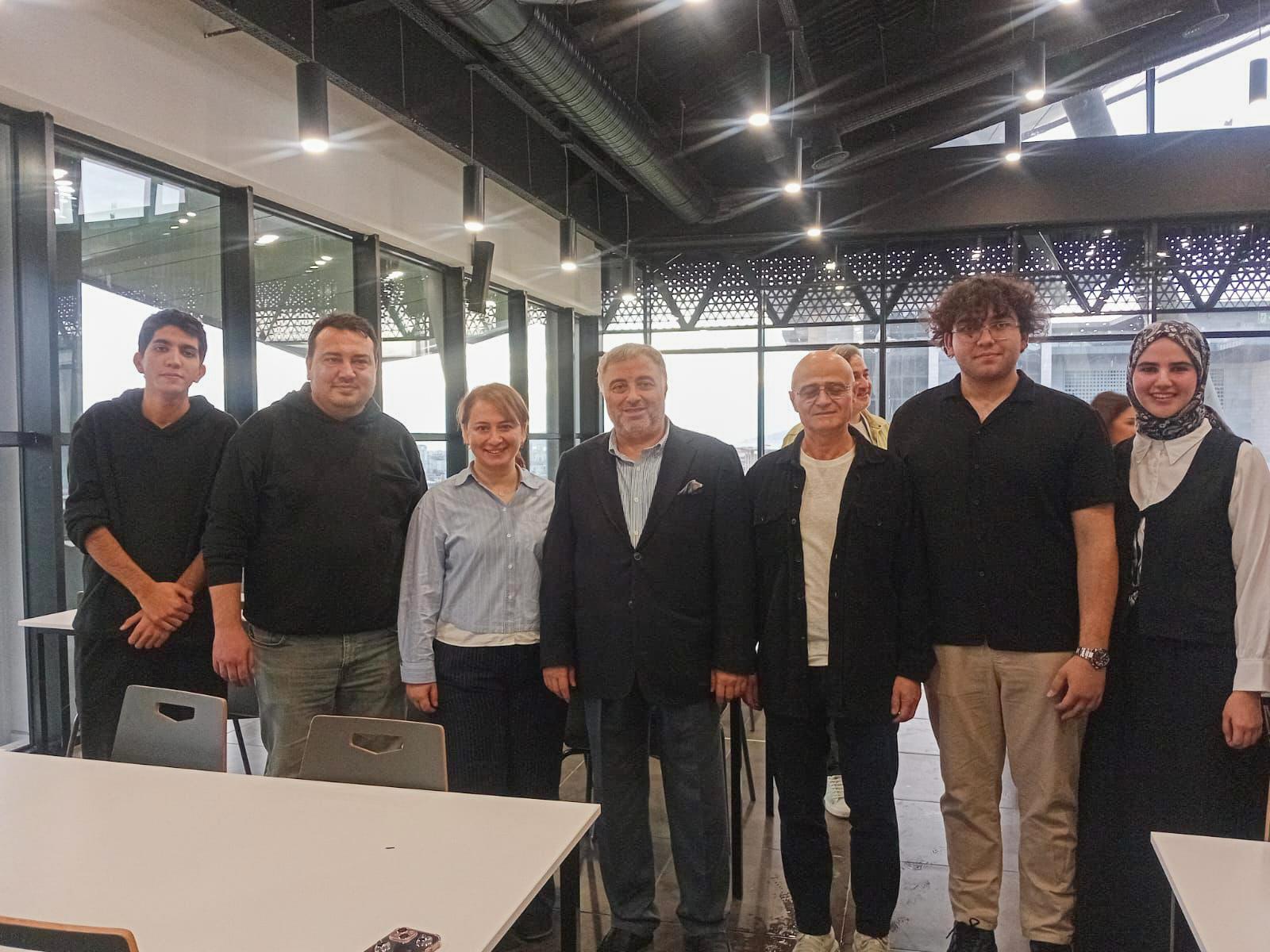
The “Mentor-Marmara Breakfast,” organized by the Marmara University Alumni Office, was held on Saturday, December 6, at the Recep Tayyip Erdoğan Complex Central Cafeteria. The event brought together Marmara University Rector Prof. Dr. Mehmet Emin Okur, Dean of the Faculty of Business Administration Prof. Dr. Gül Eser, Dean of the Faculty of Sport Sciences Prof. Dr. Mehmet Mustafa Yorulmazlar, along with numerous mentors, academics, and alumni interested in the project.
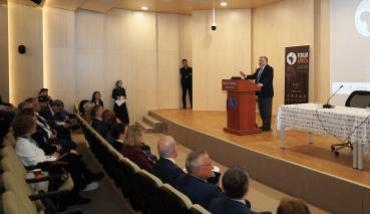
The program opened with an introductory presentation by the Alumni Office. In his remarks, Rector Prof. Dr. Mehmet Emin Okur underlined the pivotal role of mentoring in students’ development. He noted that many alumni involved in the project extend their support beyond mentoring by working to create employment opportunities for students. Describing the Mentor-Marmara Project as a significant asset for the university, Okur emphasized that Marmara University is today the largest higher education institution in Türkiye, boasting a strong presence of graduates across the business world. He added that alumni show great dedication to ensuring students face fewer obstacles in their educational journey, and that their support contributes meaningfully to students’ overall growth.
Alumni Office Coordinator Prof. Dr. Bülent Yılmaz stated that since its launch in 2018, the project has provided mentoring support to 2,000 students, with the number increasing each year. The presentation highlighted that the Mentor-Marmara Project is now among the most effective mentoring initiatives in the higher education sector. Information was also shared on other ongoing projects and plans of the Alumni Office.
The program continued with feedback and evaluations from mentors contributing to the project and students benefiting from mentoring. Speakers reiterated that students remain the central focus of all activities and emphasized the importance of enhancing both the quality of mentoring and its positive impact on students. The event concluded with exchanges of ideas on developing sectoral collaborations among mentors and on the potential contributions these partnerships could offer to the university.